“A crack as small as 1/8-inch in a pipe can spray more than 250 gallons of water a day.”
That’s expensive, and potentially devastating, especially for anyone managing commercial property, multifamily housing or a remote vacation home.
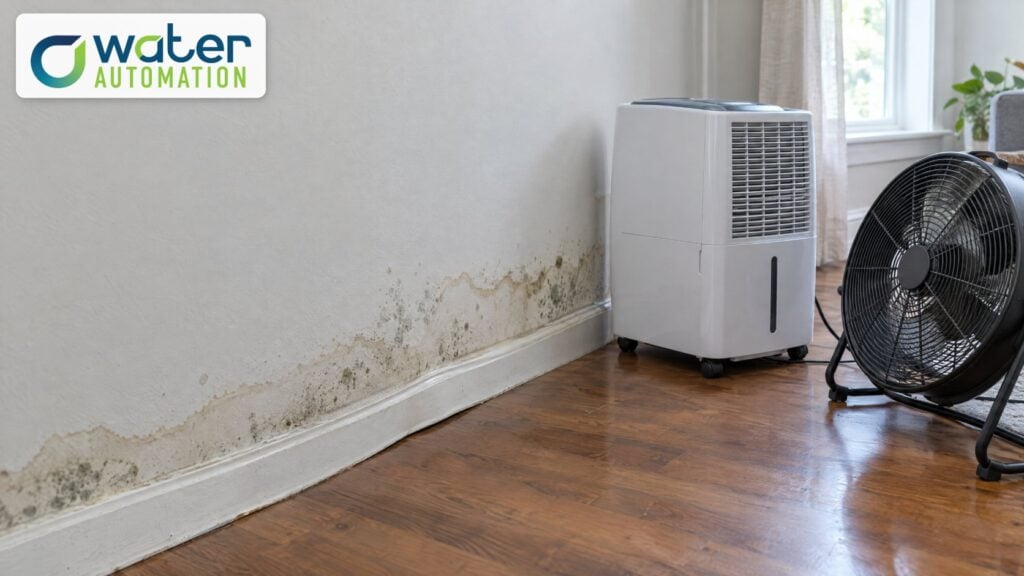
Water doesn’t wait for business hours. It doesn’t pause on weekends. One slow drip behind a wall or under a floor can lead to warped wood, black mold, and five-digit restoration quotes. And that’s assuming you catch it early.
A water leak control device is how you go from reacting to a leak to stopping it early.
What Is a Water Leak Control Device (And Why It Matters)
At its core, this is a system that detects leaks and automatically shuts off the water supply to prevent damage. Think of it as a smoke detector, but for your pipes. It’s insurance with a microchip.
Main-line systems go further. They monitor pressure, track usage trends, and some even learn your habits. That means they can catch abnormal flows, like a pipe bursting at 2 a.m., and cut the supply in seconds. That’s the difference between a minor inconvenience and a structural disaster.
Know What a Floor Sensor Can Catch
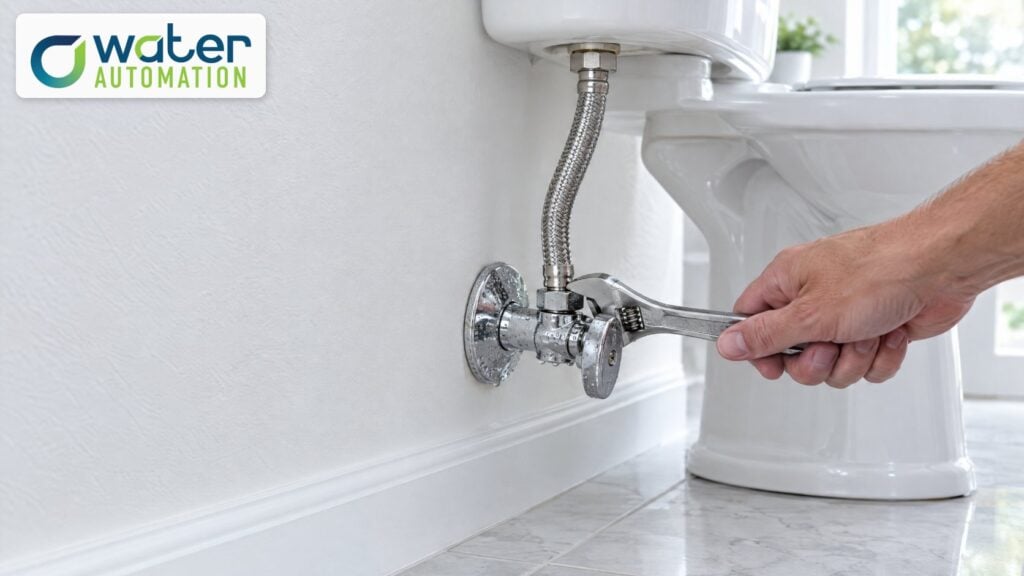
A floor sensor only reacts to water that reaches it. A pipe that bursts behind a wall or underground won’t touch it, so if that’s your main worry, a system with main-line shut-off that watches the flow is the better fit. At a toilet, sink or ice maker, where an overflow or a leak ends up on the floor, a sensor beside the fixture is in the right place, and a fixture valve like aquaHALT shuts off that fixture’s water by itself.
Decide Who Responds to a Leak
Real-time alerts on your phone, and links to home automation platforms, help when someone can act on them. If you manage several properties or travel often, think about who that someone will be. A valve that shuts off by itself doesn’t need anyone to answer: aquaHALT has no Wi-Fi or app and stops the water at that fixture by itself, and the toilet and ice maker models also beep on the spot. Some insurers offer premium discounts for leak protection devices, so ask yours what qualifies.
What a Monitoring System Can Also Catch
A monitoring system can flag slow leaks nobody would see: a failing toilet seal, an aging water heater, a cracked irrigation line. They make no sound, you can’t see them, and they get expensive if left alone.
Catching them early saves money, and stress. Water damage is sneaky: by the time you see a stain on the ceiling, the water has been there a while.
Main-Line System or Fixture Valve?
We don’t wait until a break-in to install a security system. We shouldn’t wait for a flood to protect our properties from water damage.
A main-line system covers the whole home and needs pipe work; a fixture valve like aquaHALT covers one toilet, sink or ice maker, and you fit it yourself. Either way, protection that acts on its own beats finding the leak after the damage is done.