Home » Blog » Water Leak From an Upstairs Neighbor: What to Do and Who Pays
Water Leak From an Upstairs Neighbor: What to Do and Who Pays
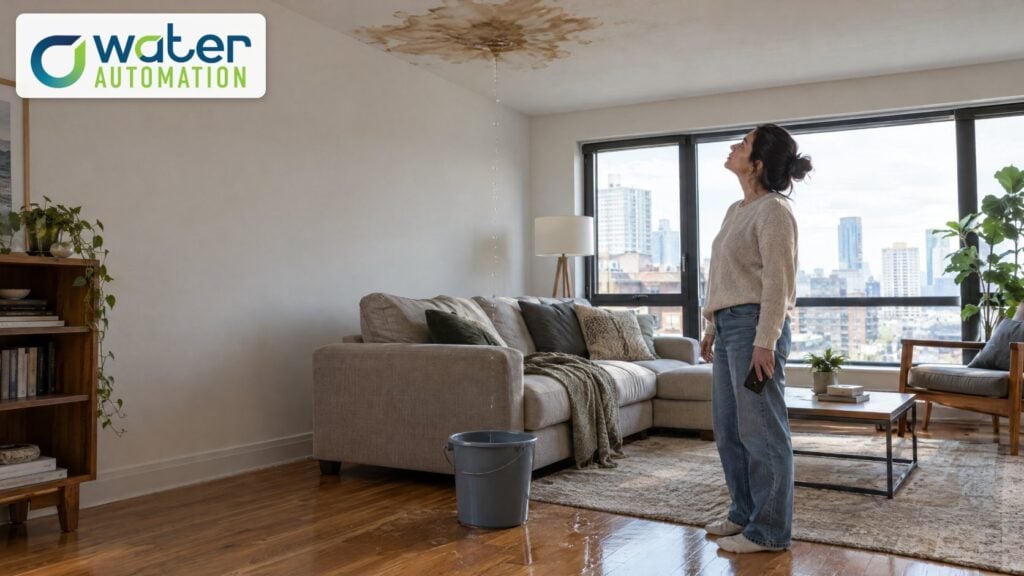
If you have a water leak from an upstairs neighbor, get it stopped first: knock on their door, and call building management or the HOA’s emergency line if no one answers. Keep clear of wet light fixtures, and turn off the power to that area if you can do it safely. Then photograph everything. Who pays usually depends on where the leak started, whether anyone was careless, and what the building’s documents and each person’s insurance say.
This is general information, not legal or insurance advice. The rules vary by state, by building and by policy, so check your own documents.
What to do right away
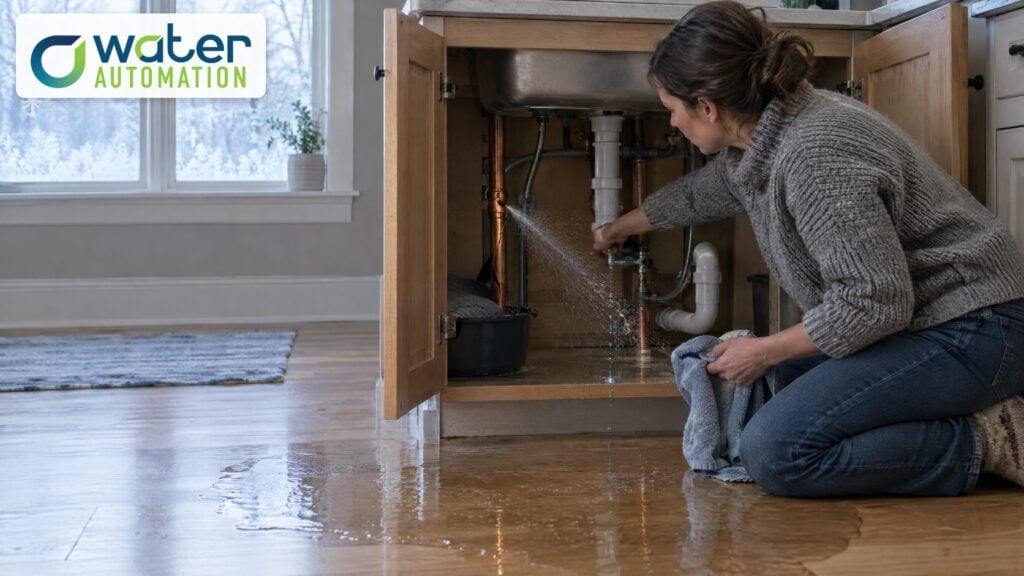
Stop the source. Your neighbor can close the valve at the leaking fixture or their unit’s main shut-off. If they’re not home, management or the HOA can get in, or shut off the water to that part of the building. If it’s a burst pipe, here’s what to do first.
Stay safe. Don’t touch wet light fixtures or switches. Turn off the breaker for the affected rooms if you can reach the panel without standing in water.
Watch the ceiling. A bulging ceiling can come down. Keep people and pets out from under it, and if it’s sagging, leave it to a professional.
Protect your things. Move furniture and electronics, and put down buckets and towels.
Document it. Take dated photos and video of the ceiling, walls, floors and damaged items. Keep a log of who you spoke to and when.
Notify everyone in writing: your neighbor, management or the HOA, your landlord if you rent, and your own insurer.
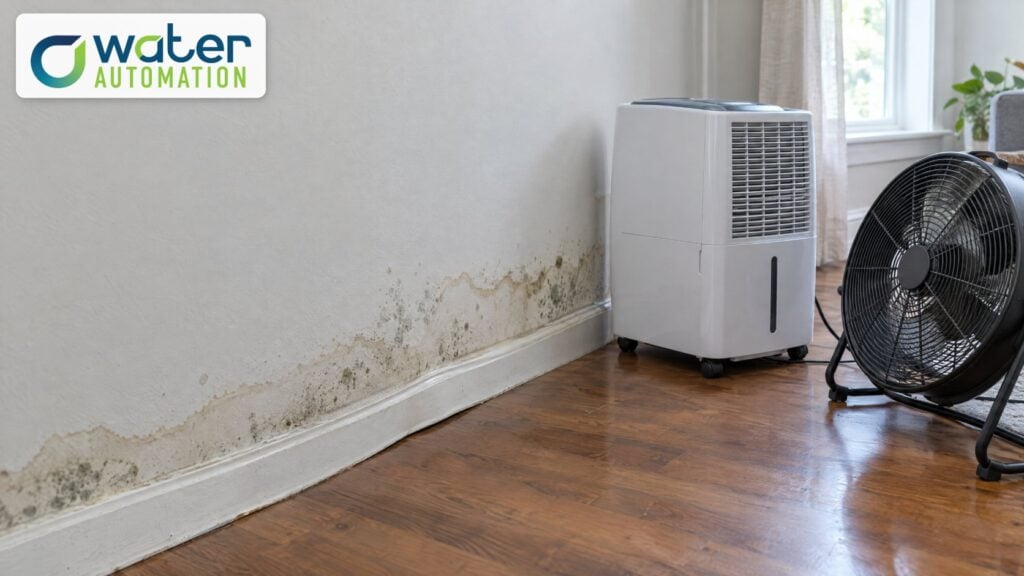
Start drying. The EPA advises drying water-damaged areas within 24 to 48 hours to prevent mold (EPA), so drying can’t wait for the paperwork. For what to keep and what to replace, see mold after water damage.
Who pays for water damage from the unit above?
It usually comes down to three questions.
1. Where did the water come from?
Something inside the upstairs unit: a toilet supply line, a sink hose, a dishwasher, a washing machine, an overflowing tub. The upstairs owner and their insurance can be responsible, especially if they were careless.
A common element: a pipe inside a shared wall, a riser, the roof. These are usually the association’s responsibility, under its master policy.
2. Was anyone negligent?
Leaving a bath running, ignoring a known drip or putting off a needed repair can count as negligence, and it moves the cost toward whoever was careless. A sudden failure with no warning is treated differently. Each owner’s own policy may then cover the damage inside their own unit, minus their deductible.
3. What do the documents say?
Condos: the HOA’s declaration and bylaws set out who maintains and insures what. Some associations insure only the bare walls, floor and ceiling, leaving owners to cover cabinets, fixtures, plumbing and finishes; others insure more (Triple-I). Ask the association for a copy of the master policy.
Rentals: the landlord generally handles repairs to the building. Your belongings are covered by your renters insurance, not the landlord’s policy. If the tenant upstairs caused the leak, their renters policy may cover their liability.
Co-ops: the proprietary lease and the co-op’s policy play the role of the HOA documents.
Which insurance policies come into play?
Situation
Who usually claims what
Condo owner, leak from the unit above
Your condo (HO-6) policy covers your unit’s interior and belongings, per its terms. The upstairs owner’s policy may pay if they were liable. The master policy covers common elements.
Renter, leak from the unit above
Your renters insurance covers your belongings. The landlord’s policy covers the building.
Leak from a shared pipe or the roof
The association’s master policy, subject to its deductible.
Your insurer may pay your claim and then recover the money from the responsible party’s insurer. That’s called subrogation, and it can save you from chasing your neighbor yourself.
Can you sue your upstairs neighbor for water damage?
You can, if their negligence caused the damage and insurance doesn’t make you whole, for example on your deductible. Small claims court handles smaller amounts in most states. The insurers may settle it between them before it gets that far. If the amounts are large, talk to a lawyer in your state.
Talking to your neighbor
They may not know there’s a problem, or that it’s coming from their unit. Stay calm, show them the damage, and swap insurance details and phone numbers. A friendly first conversation usually makes everything after it easier.
For landlords, HOAs and property managers
A leak upstairs can come through to the units below, so prevention upstairs protects everyone:
Check toilet supply lines, sink hoses and ice maker lines at every turnover and every six months. Our rental turnover plumbing checklist has the full list.
Make sure every unit has a working, labeled shut-off, and that residents know where it is.
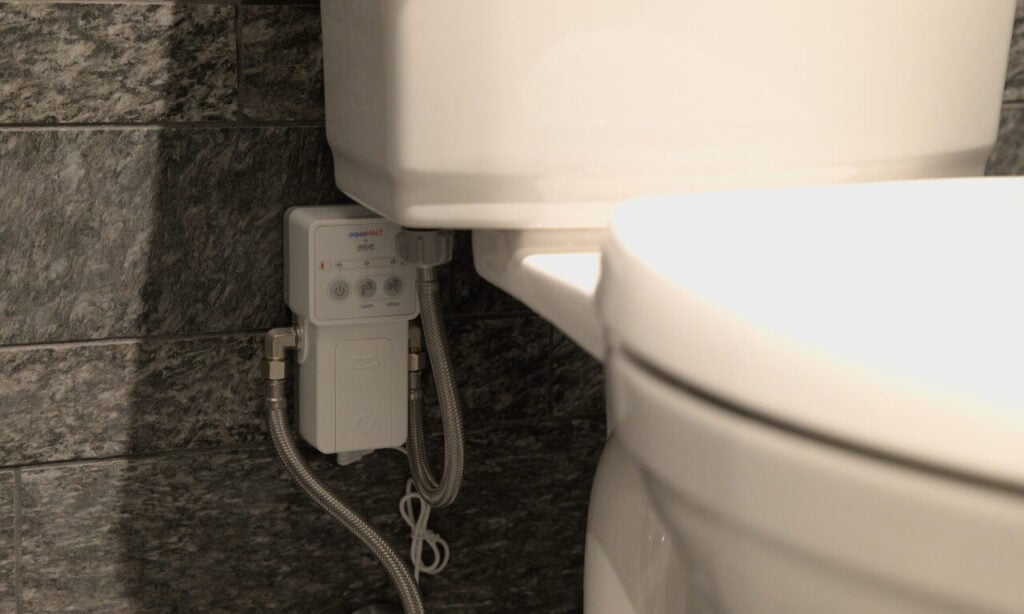
Put automatic protection at the fixtures where a leak can start. Fitted to a toilet, sink or ice maker upstairs, aquaHALT shuts that fixture’s water off once a leak reaches its floor sensor, even when the unit is empty. The toilet and ice maker models beep when they shut it off. It can’t stop a burst in the line feeding aquaHALT from the wall, since that line sits ahead of its valve. Each one is battery powered, with no Wi-Fi, app or subscription.
Is my upstairs neighbor responsible for water damage to my unit?
They can be, if the leak came from their unit and they were negligent. If it was a sudden failure, or the water came from a shared pipe, your own policy or the association’s master policy may pay instead.
Does my condo insurance cover water damage from upstairs?
A condo (HO-6) policy generally covers your unit’s interior and belongings for sudden water damage, subject to your deductible and to what the master policy already covers. Check your policy.
What if the leak came from inside the wall?
Pipes in shared walls can be common elements, which the association maintains and insures. Your HOA documents decide it.
Who should I call first?
Your neighbor or building management, to get the water stopped. Then your insurer.
A water leak plan for short-term rental hosts: the turnover check, what an automatic shut-off at the toilet does while the place is empty, and its limits.