Home » Blog » Reducing Water Waste with Automated Systems in Commercial Buildings
Reducing Water Waste with Automated Systems in Commercial Buildings
Water conservation is a critical component of modern corporate responsibility and a direct path to significant operational savings. For commercial buildings, water waste is often an invisible drain on resources, stemming from undetected leaks, inefficient systems, and outdated practices. Automated water systems provide the most effective solution, transforming a building’s water usage from a source of waste into a model of efficiency and sustainability.
The Invisible Problem: Common Causes of Commercial Water Waste
While a burst pipe is an obvious disaster, the majority of water waste in commercial properties comes from chronic, low-level issues that go unnoticed:
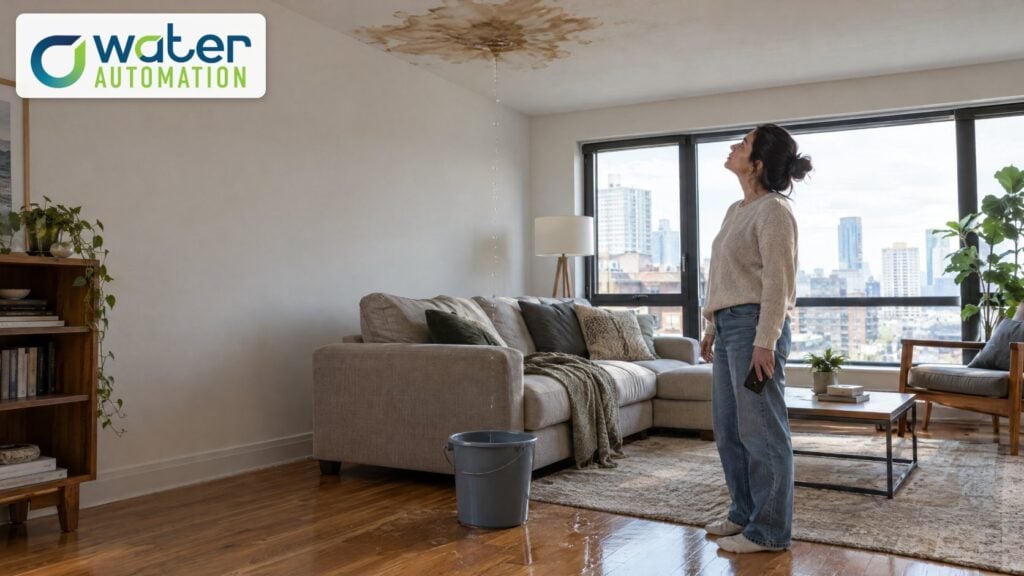
Undetected Leaks: Small leaks in hidden pipes, toilets, or irrigation systems can waste thousands of gallons daily. A single running toilet can waste up to 200 gallons of water per day.
Inefficient Fixtures and Systems: Older plumbing fixtures, cooling towers, and irrigation systems often operate far below peak efficiency, consuming more water than necessary.
Lack of Real-Time Data: Without continuous monitoring, facility managers rely on monthly bills, which only confirm that waste has occurred and don’t show where or when it happened.
How Water Automation Drives Efficiency
Automated water systems address these issues by providing a continuous, data-driven approach to water management:
1. Instant Leak Detection and Mitigation
The core function of automation is to eliminate the waste caused by leaks. Smart water meters and flow sensors establish a baseline of normal water usage. Any deviation from this pattern, such as continuous flow during non-operational hours, triggers an immediate alert. When combined with automatic shut-off valves, the system can stop the flow of water instantly, preventing ongoing waste and damage.
2. Granular Consumption Tracking
Automated systems provide data dashboards that track consumption at a granular level: by floor, zone, or even individual fixture. This level of detail allows facility managers to pinpoint the exact source of inefficiency, such as a faulty toilet in a specific restroom or an over-irrigating sprinkler zone. This data is invaluable for targeted maintenance and capital improvements.
3. Optimization of Water-Intensive Systems
Systems like cooling towers and outdoor irrigation are major water consumers. Automation allows for the integration of smart controls that adjust water usage based on real-time environmental conditions (e.g., weather data, humidity) and system performance, so water is only used when and where it is absolutely necessary.
The Benefits of Water Conservation
The implementation of automated water conservation strategies yields multiple benefits:
Benefit Category
Description
Impact
Financial
Direct reduction in water and sewer utility bills; avoidance of costly leak damage and remediation.
Significant reduction in operational expenses and a clear ROI.
Environmental
Reduced strain on local water resources; improved corporate image and compliance with sustainability metrics.
Demonstrates commitment to environmental stewardship.
Operational
Shift from reactive to predictive maintenance; better resource allocation for facility staff.
Enhanced efficiency and reduced risk of unexpected downtime.
Where to start
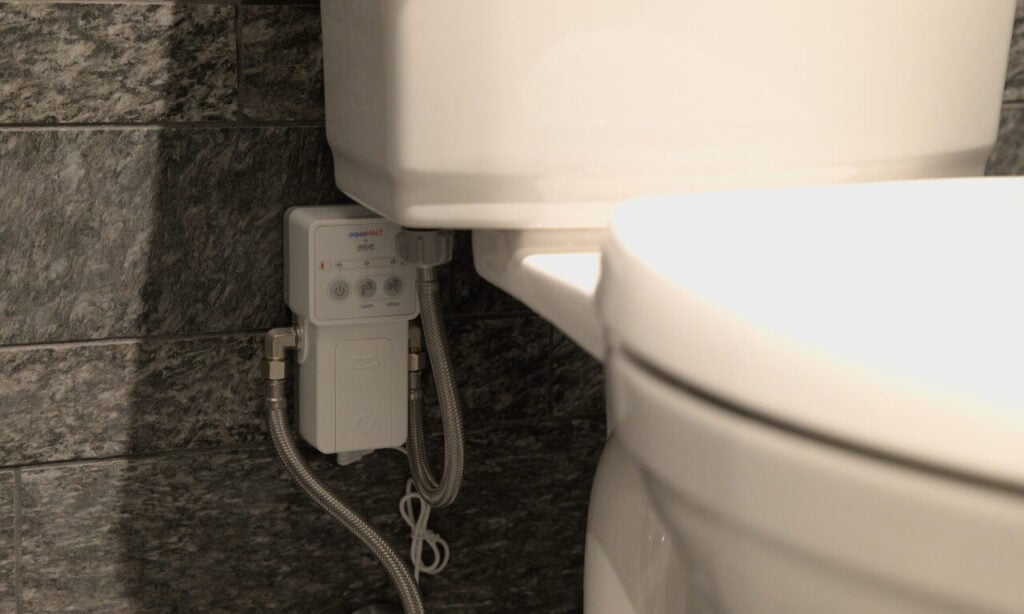
Request a demo from waterAUTOMATION to see how aquaHALT, our battery-powered shut-off valve, stops the supply to a toilet, sink, or ice maker line once leaking water hits its sensor.
A water leak plan for short-term rental hosts: the turnover check, what an automatic shut-off at the toilet does while the place is empty, and its limits.