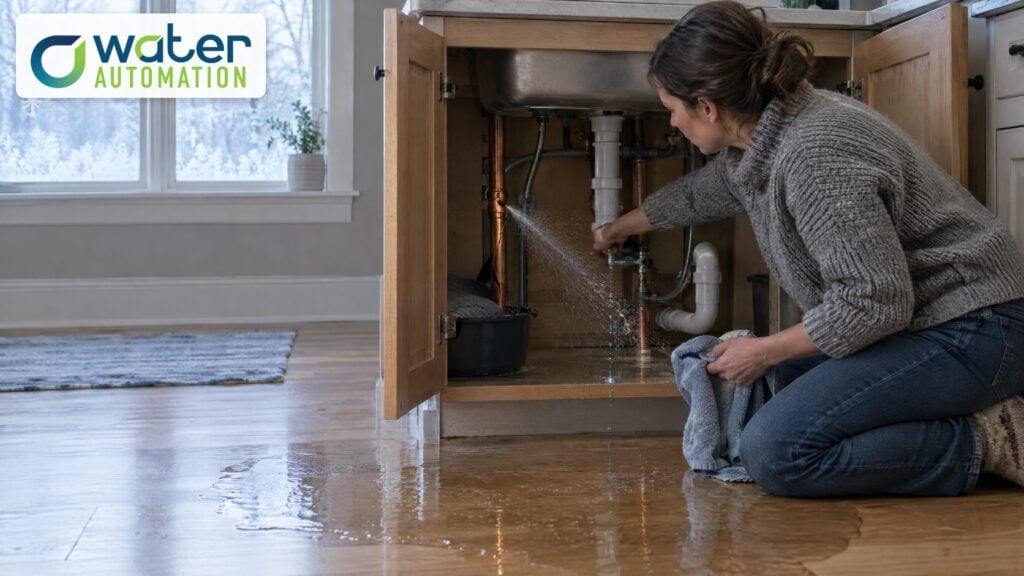
In 2023 alone, water damage in residential properties caused more than $20 billion in losses across the U.S. That’s not a freak event. That’s a pattern. One I’m not willing to be a part of — and neither should you.
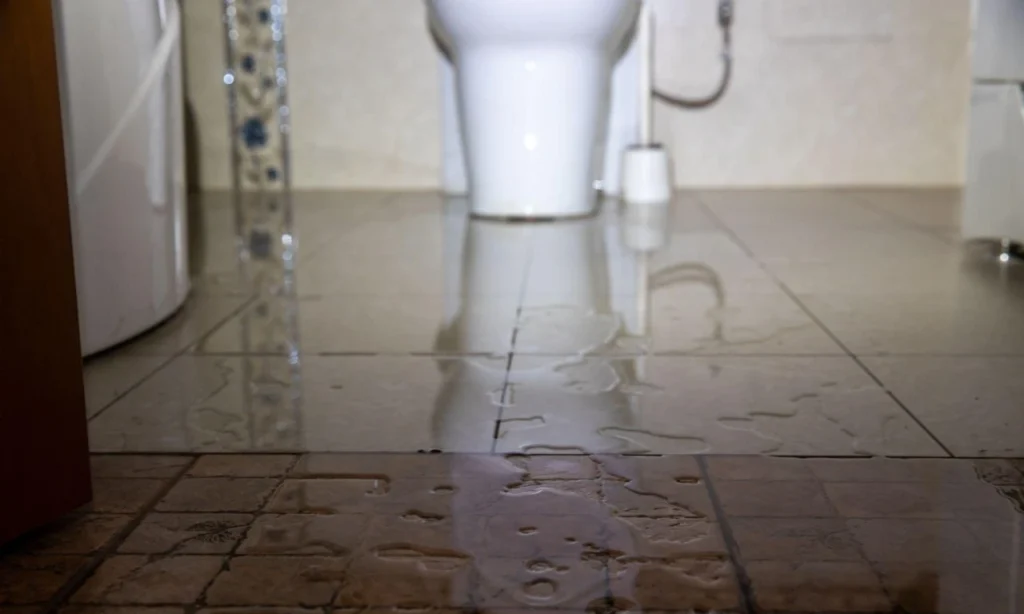
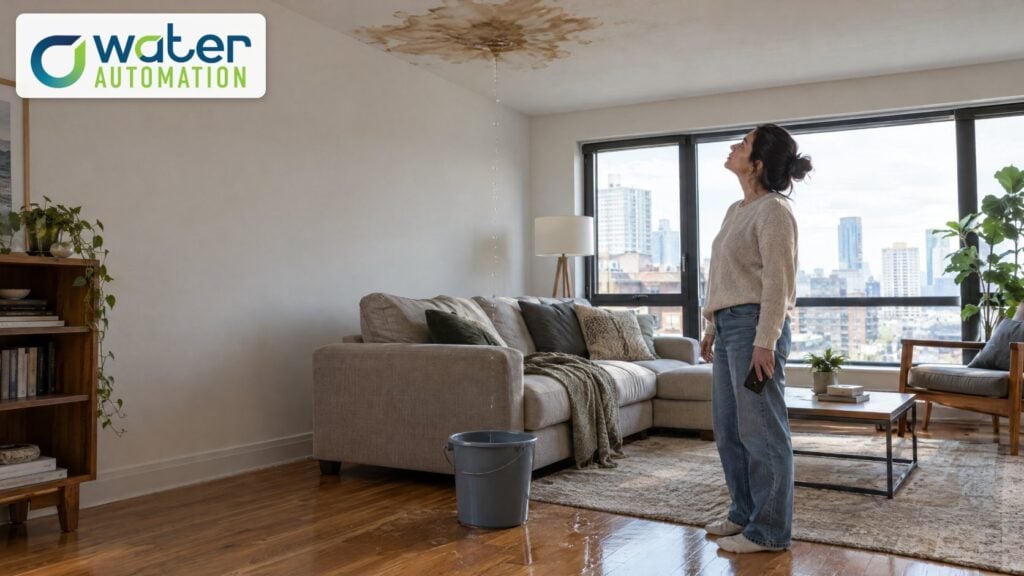
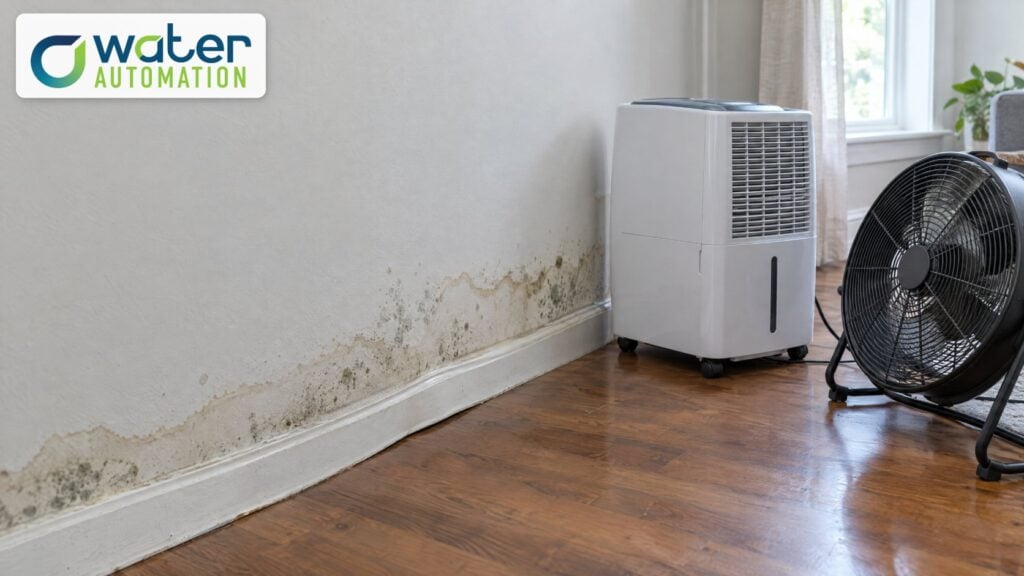
Let me be blunt: leaks don’t announce themselves. They hide. Beneath your floor. Inside your walls. And by the time you notice that faint stain or warped baseboard, the damage is already done.
That’s why I installed a water damage detection system the moment I bought my home. I wasn’t waiting for a plumber’s emergency callout to ruin my weekend (and my wallet).
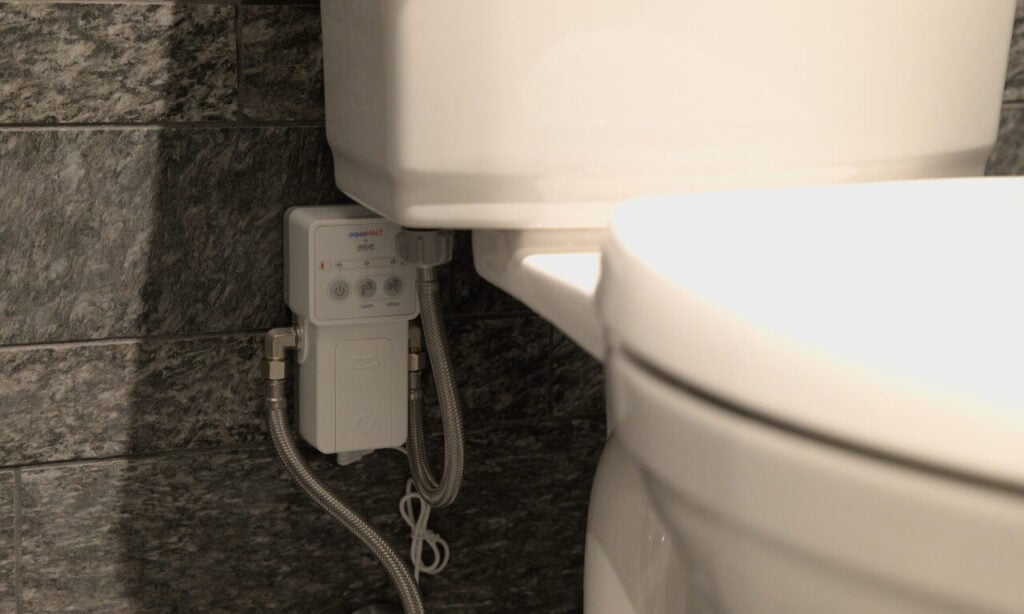
Leak detection technology today is smart. Discreet. Fast. These systems sense the tiniest abnormalities in water flow and sound an alarm before water finds its way to your subfloor or insulation. Some even shut off your main valve automatically.
I always tell friends and clients:
- Prioritize basements, laundry rooms, and bathrooms — those are your hotspots.
- Choose leak sensors that integrate with your home’s smart devices.
- Don’t just install it — test it every few months.
And here’s the kicker — my water damage detection setup has already paid for itself. Twice. Once when it caught a leak under my dishwasher. Again when it alerted me to a cracked hose on the garden tap before it flooded the crawl space.
You don’t need a catastrophic flood to make leak detection worth it. You just need to prevent one slow drip from becoming your next renovation project. In my book, that’s the smartest move any homeowner can make.
A reliable water damage detection system doesn’t just alert you. It buys you time — and time is everything when you’re dealing with water. Protect early. Fix fast. Sleep better.