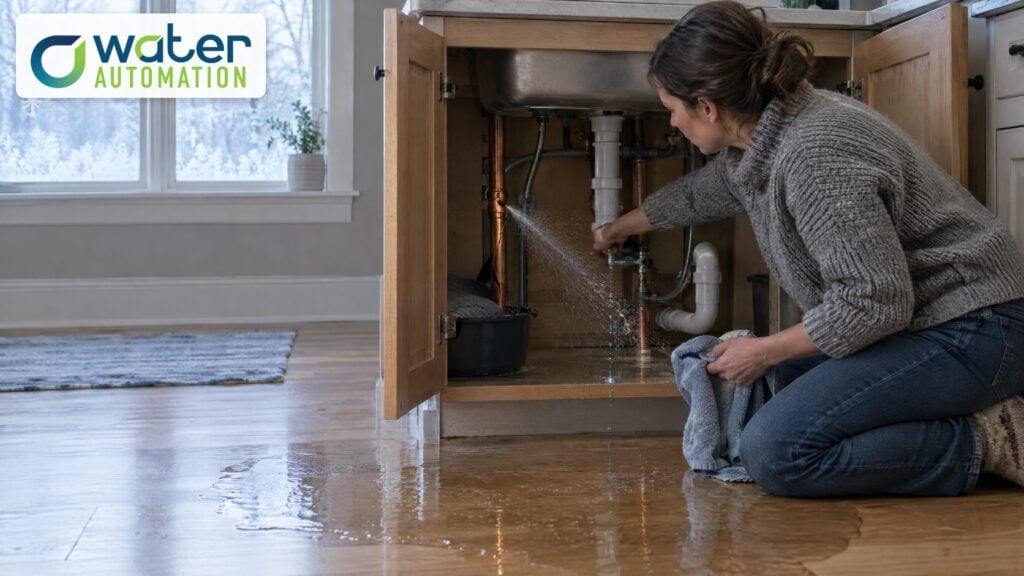
There’s a reason water is used to shape canyons. It’s slow. Relentless. And when ignored, it can carve straight through your home’s foundation — figuratively and literally.
As a homeowner, I used to think the real threats were fire, storms, or burglars. But water? It’s patient. And that’s what makes it dangerous.
That’s where a water damage prevention system comes in. Not sexy, I’ll admit. But necessary. Because the longer a leak goes unnoticed, the more it costs. The EPA estimates that household leaks waste nearly 10,000 gallons of water per year. That’s not just wasteful. That’s expensive.
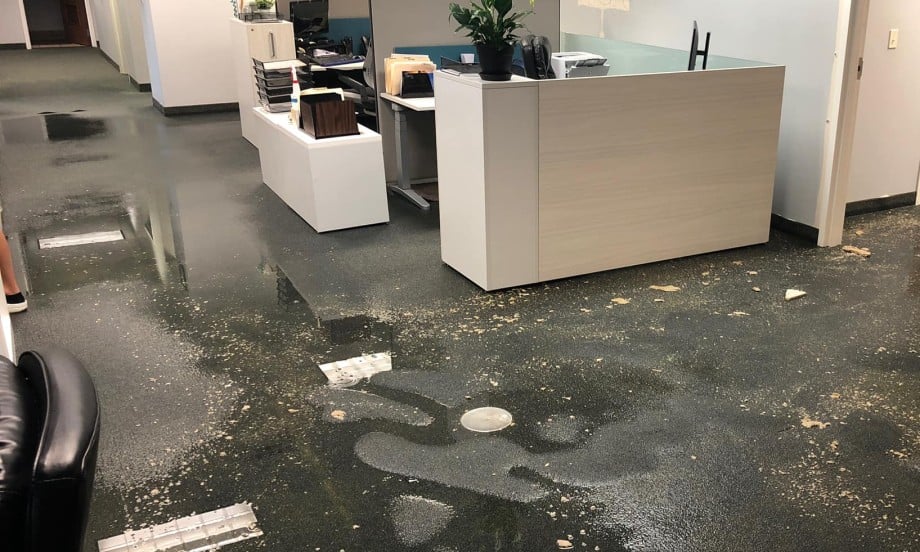
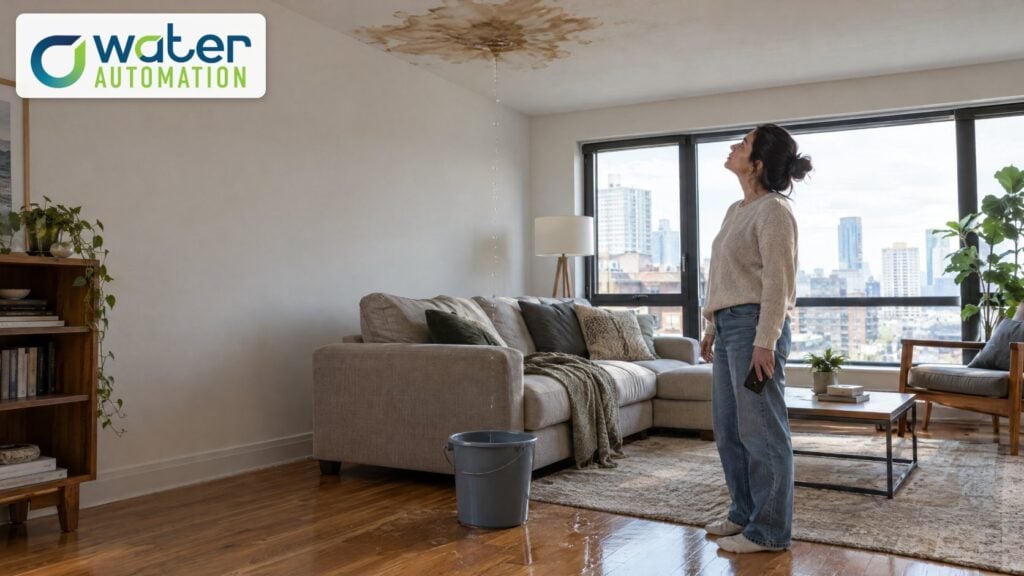
I used to scoff at the idea of installing a leak detection system. Then a leaking toilet valve soaked the ceiling below it. I spent days dealing with insurance, contractors, and the musty smell that wouldn’t go away. Now? I’m the guy who tells everyone to install a water damage prevention system before it’s too late.
Here’s the practical bit:
- Monitor your water bill. Spikes usually mean trouble.
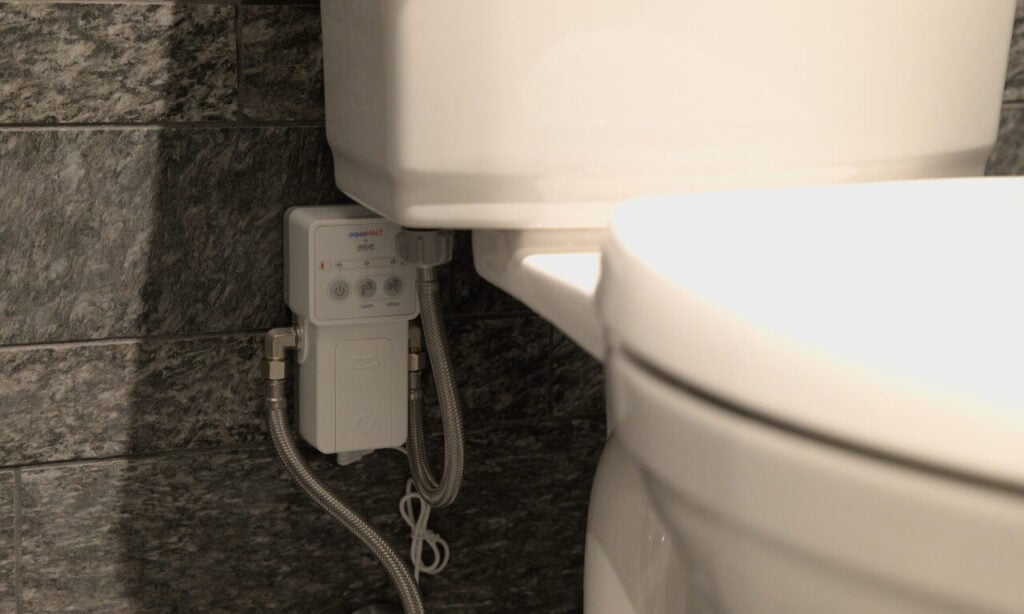
- Invest in a system that tracks water flow and alerts you in real time.
- Make sure it includes shut-off capabilities if you want full protection.
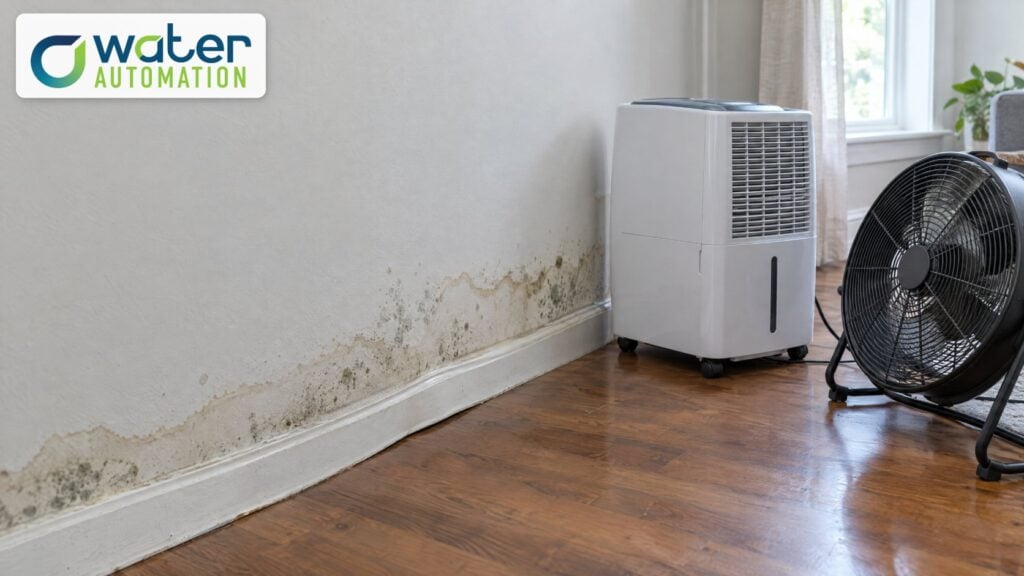
Leak detection doesn’t just prevent floods. It prevents mold. It protects structural integrity. It stops your home from quietly deteriorating behind the drywall.
Let’s be honest — your home is probably your biggest asset. Protect it like one. A water damage prevention system isn’t just a tool. It’s insurance that works before the damage happens. And that’s the kind of peace of mind no claim check can buy.