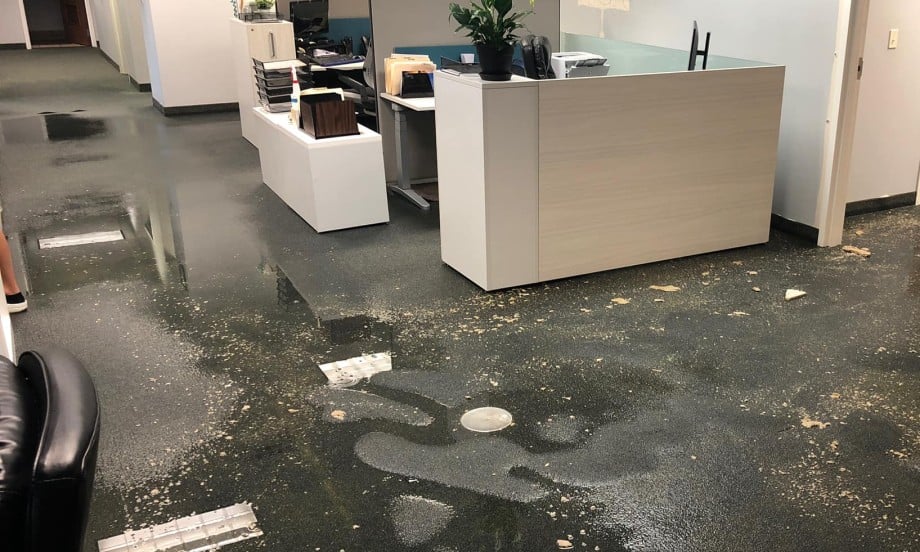
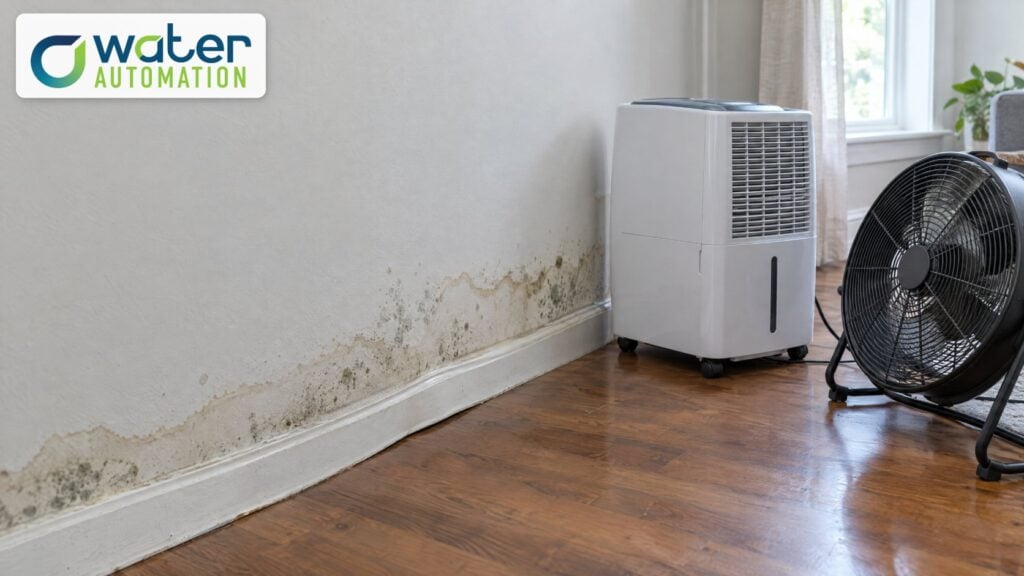
“Over $13 billion in leaks. That’s what U.S. insurers pay every year for internal water damage—just ordinary plumbing gone rogue.” When I read that figure, it didn’t just grab my attention; it made my stomach flip. Because I’d almost been that story. The one with the buckled hardwood, the mold smell, and the insurance claim that takes months to settle. But I didn’t have to be.
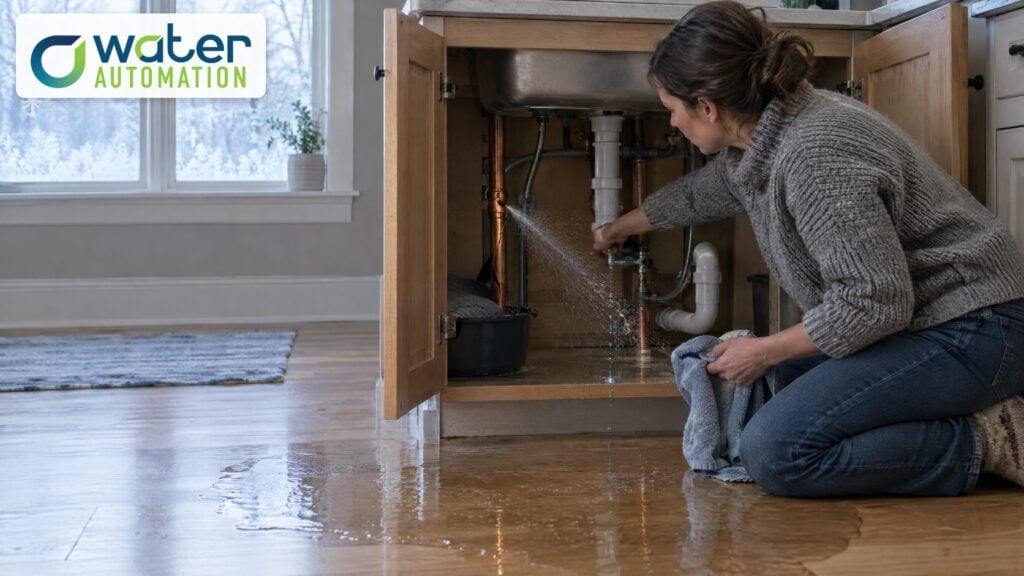
It happened on a Thursday night. My phone buzzed with a notification while I was in bed. I didn’t hear the drip—how could I? It was under my kitchen sink, hidden behind a pile of cleaning supplies. That tiny leak had been going for hours. Without my aquaHALT H/C, I wouldn’t have known until the following morning, when the cabinet door swelled shut from the water.
That’s why I invested in a home water leak prevention system that works automatically, even when I’m not home.
Here’s exactly how I set mine up and keep it working:
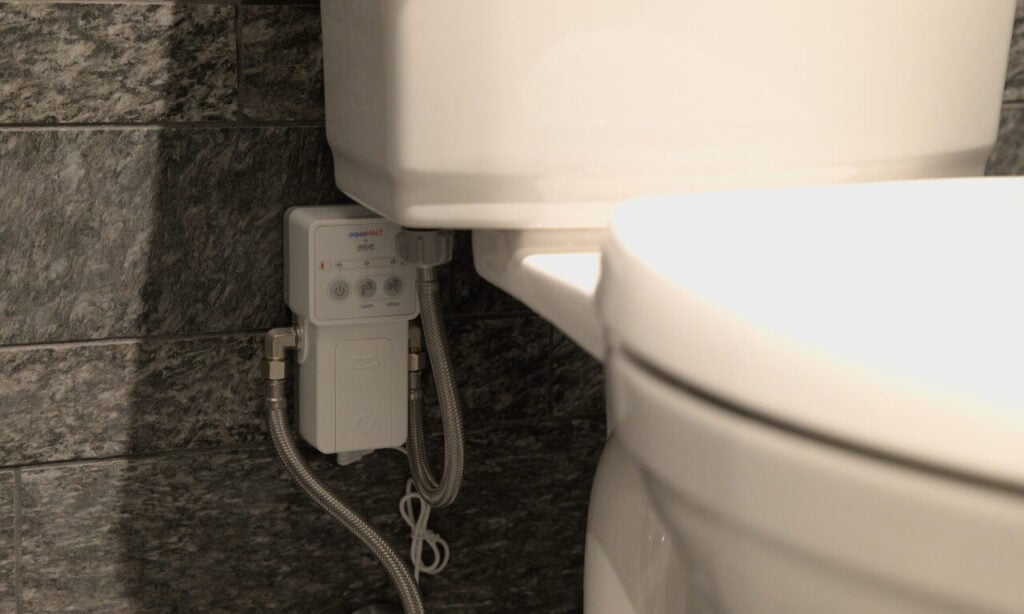
- Choose the location carefully. I placed my H/C under the sink right near the cold-water shut-off valve. The closer the sensor is to a likely leak source, the faster it reacts.
- Install without fuss. It’s battery-powered, so no wiring nightmare. Two screws to hold the valve, connect it to the water line, clip the sensor in place, and I was ready.
- Test before trusting. I poured a small glass of water directly onto the sensor. The valve snapped shut instantly, and my phone got the alert within seconds. That’s peace of mind you can hear.
- Keep it reliable. Once a month, I run a mini-test and wipe the sensor clean. Every six months, I swap the AA batteries.
If you’ve ever dealt with a leak, you know the frustration. The insurance paperwork. The drying fans roaring in your kitchen for days. The bill that insurance doesn’t quite cover. Installing a home water leak prevention system isn’t just about saving money—it’s about buying time. It stops damage before it spirals.
Today, that under-sink drip is just a memory. I can go to bed knowing that if something goes wrong, my home water leak prevention setup steps in for me. It’s like having a night watchman who never sleeps—and never sends me an invoice.