
How Water Leak Detection Can Save Your Business
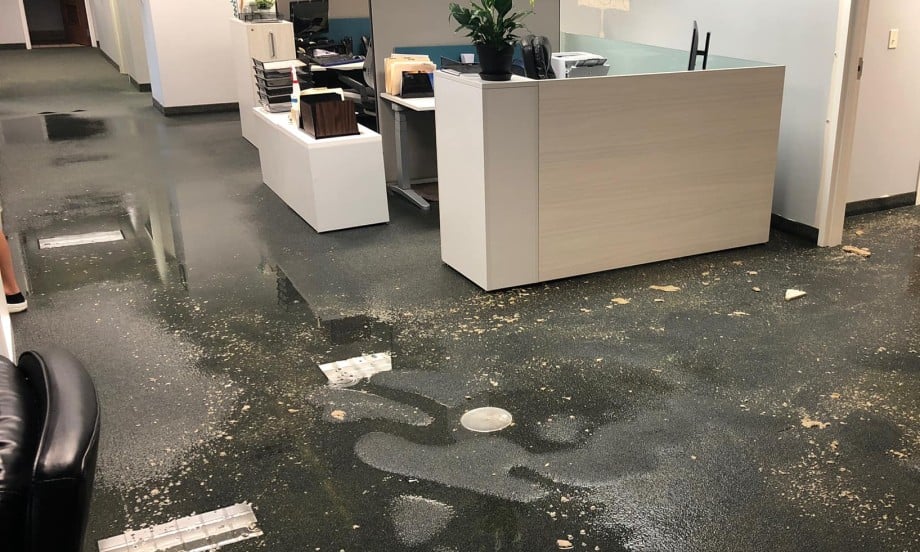
Leaks might seem like a small issue, but they can lead to big problems for businesses. From soaring water bills to costly repairs, leaks can be a drain on your bottom line. In fact, businesses lose millions of dollars every year due to undetected leaks. So, how can you protect your business and save money? The answer is simple: leak detection. Let’s explore how this technology can help your business save both water and money.
The Hidden Costs
Many businesses don’t realize how much water they waste due to undetected leaks. Even a tiny drip from a leaky faucet or pipe can add up over time, resulting in higher water bills. In addition to the direct costs of wasted water, leaks can also cause significant damage to your property and equipment, leading to expensive repairs and downtime. This is where leak detection technology comes in, helping you catch leaks before they turn into major problems.
How it Works
Water leak detection systems use advanced technology, such as smart sensors, meters, and data analytics tools, to monitor your water usage in real-time. These systems can detect even the smallest leaks that might otherwise go unnoticed. When a leak is detected, businesses receive an immediate alert, allowing them to take action before the issue escalates. Companies like WaterAutomation.com offer advanced leak detection systems that help businesses monitor their water usage and prevent costly leaks.
Key Benefits of Water Leak Detection
- Lower Water Bills
The most obvious benefit of leak detection is the potential for reduced water bills. Detecting leaks early means you can stop water waste before it leads to higher costs. A small leak that goes undetected could result in thousands of gallons of wasted water—money down the drain! - Prevent Expensive Repairs
Leaks can cause extensive damage to your property and equipment. Whether it’s water damage to walls, floors, or machinery, the cost of repairs can quickly add up. By catching leaks early, you can avoid these expensive repairs and maintain your infrastructure in top condition. - Save Energy
Leaks often lead to increased energy consumption. If your business uses heated or pumped water, a leak means that more energy is used to transport or heat the water. Leak detection can help you conserve energy and reduce your overall energy costs. - Operational Efficiency
Water leak detection helps prevent downtime caused by major leaks or system failures. By addressing leaks promptly, you can keep your business operations running smoothly without the disruptions that often come with undetected leaks. - Support Sustainability
In today’s world, sustainability is more important than ever. Water conservation is a key part of any eco-friendly business strategy. Using leak detection technology not only saves money but also supports your company’s commitment to reducing water waste and conserving resources.
Getting Started with Water Leak Detection
Implementing water leak detection technology is easier than you might think. Start by assessing your water system and identifying areas that are prone to leaks. From there, partner with experts like WaterAutomation.com to install the right sensors and monitoring systems for your business. These tools can provide real-time alerts, allowing you to fix issues quickly before they result in costly damage or disruptions.
Water leak detection is an essential tool for businesses looking to reduce costs and improve efficiency. By detecting leaks early, you can lower your water and energy bills, avoid expensive repairs, and ensure smooth operations. So, if you want to save money and protect your business, consider investing in water leak detection technology today. Don’t let hidden leaks drain your resources—take action now and start saving!
See also
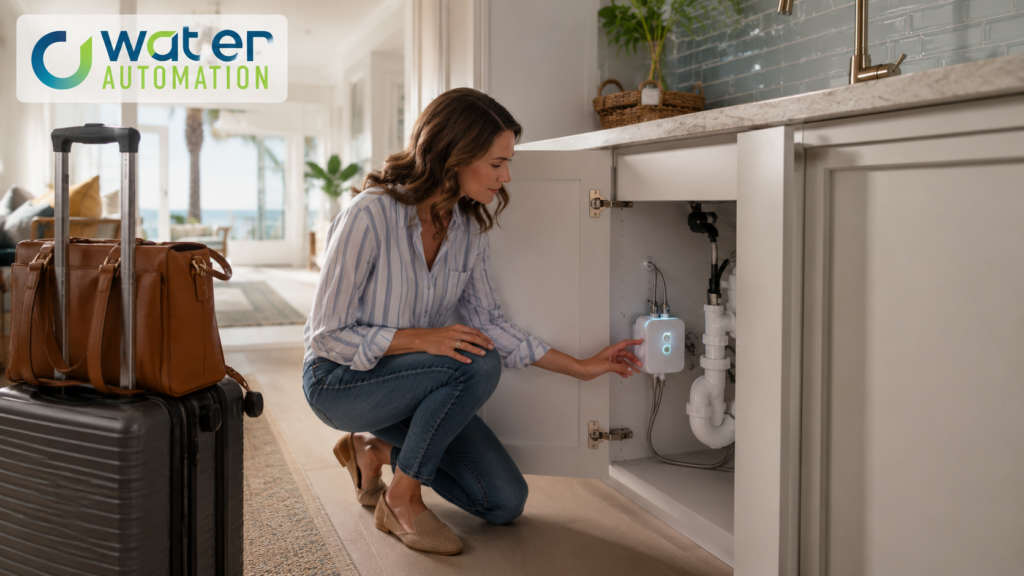
automatic water shutoff for vacation homes works best when the decision begins with observed conditions rather than assumptions. Owners often see a symptom and jump directly to a product, repair or proposal. A stronger process identifies what is happening, where it happens, who is affected and how the finished work will be verified. This guide turns that process into practical steps for properties in homes, apartments and commercial properties.
The right scope depends on fixture condition, connection compatibility, device access and a documented response process. A useful assessment connects those facts to the owner’s priorities, budget and timeline. It also separates immediate safety or damage-control needs from long-term improvements.
Why automatic water shutoff for vacation homes deserves a written plan
A written plan keeps different stakeholders focused on the same outcome. Begin with the locations, fixtures, rooms or building systems included in the project. Note recurring complaints, previous repairs, existing documentation and operational constraints. Photographs and dated observations are more useful than vague descriptions.
Define success in testable language. Instead of saying “make it better,” identify the event to prevent or detect, the area that must be protected, the expected response and the person responsible. This makes proposals easier to compare and gives the installer or contractor a clear acceptance target.
Review the relevant service information before requesting proposals. It establishes what the client actually offers. For broader context, consult this authoritative resource. General guidance does not replace a site-specific evaluation, manufacturer instructions, applicable codes or qualified professional advice.
Inspect existing conditions before choosing a solution
Start with a safe, structured inspection. Do not climb onto damaged roofs, open energized equipment or modify plumbing or security hardware without the right training. Record visible conditions from safe locations and gather drawings, maintenance records, prior invoices and equipment details.
Look for patterns. Does the issue appear only after a storm, during peak occupancy, at one fixture, after a network change or in a particular season? When did it begin? Has a temporary repair changed the symptom? Pattern questions help distinguish a local defect from a system-wide problem.
Existing infrastructure may be reusable, but reuse should be verified rather than assumed. Condition, compatibility, capacity, support status and access all matter. A component that still turns on may nevertheless be unsuitable for the intended result.
Questions to answer during the review
- What problem are we trying to prevent, detect or correct?
- Which areas and users are included or excluded?
- What existing components may remain, and how will compatibility be confirmed?
- Are there access, safety, power, network, drainage or shutdown constraints?
- Who approves changes and who owns the system after handoff?
- What evidence will prove the work performs as intended?
Build a comparable scope and budget
Ask providers to price the same written scope. A lower proposal may exclude access work, disposal, testing, documentation or support. A higher proposal may include features that are unnecessary for the property. Require clear assumptions, exclusions and allowances so the comparison is about value rather than headline totals.
Include preparation, installation, commissioning and closeout. Preparation may involve surveys, measurements, permits, coordination or product selection. Installation should identify locations and materials. Commissioning should state what is tested. Closeout should include photographs, reports, manuals, settings or as-built information appropriate to the work.
Avoid making decisions under artificial pressure. Urgent leaks and hazards require prompt stabilization, but long-term work should still have a documented reason. Ask why a recommended option fits the observed condition, what alternatives were considered and what would change the recommendation.
Pilot and verify automatic water shutoff for vacation homes
For repeatable installations or multi-location projects, test a representative area first. A pilot exposes access problems, incompatible fittings or hardware, documentation gaps and training needs before they multiply. Choose a normal site or unit, not only the easiest example.
Record baseline conditions, the approved work and the acceptance results. If the pilot changes the plan, update the scope before scaling. Communicate expected interruptions and support contacts to occupants or staff. Keep safety procedures and official instructions available to the people performing the work.
Commissioning should prove realistic operation, not merely confirm that something powers on or looks finished. Test normal behavior and relevant warning, failure or response conditions. Confirm labels, settings, drainage paths, permissions, shutoff behavior or surface details as applicable.
Acceptance checklist
- Confirm installed locations and products match the approved scope.
- Test normal operation and relevant warning or failure conditions.
- Record exceptions and correct them before final sign-off.
- Collect photographs, reports, manuals and approved field changes.
- Train the person responsible for routine use and maintenance.
- Record support contacts and the process for future changes.
Plan maintenance and ownership
Every project needs an owner after installation. Name the person responsible for routine checks, account or access changes, cleaning, batteries, drainage, inspections or service calls as applicable. Put recurring tasks on a calendar and keep records where the next technician can find them.
Schedule an early follow-up after normal use or a relevant weather cycle. Occupancy, seasonal conditions and daily operation can reveal issues that were not visible on completion day. Prompt corrections protect the investment and keep small defects from becoming disruptive.
See the client’s related resource for the next layer of information. Connecting educational content to a real service or product page helps the reader move from research to an appropriate, supportable action.
Common mistakes to avoid
The most common mistake is selecting a solution before confirming the cause. Others include assuming every property or unit is identical, ignoring existing-condition constraints, failing to assign response ownership and accepting work without testing or documentation. Scattered closeout records also make future maintenance slower and riskier.
A better rhythm is simple: inspect, define, compare, pilot, verify and document. It does not remove every surprise, but it creates a traceable reason for each decision and a fair standard for judging the result.
Frequently asked questions
Can an owner complete the initial review?
Yes, owners can gather records and make safe observations. Hazardous access, technical testing and final recommendations should be handled by qualified professionals.
Is the most expensive option always best?
No. The best option is the one that addresses verified conditions, fits the property and includes the testing and support the owner actually needs.
Can existing equipment or materials be reused?
Sometimes. Reuse depends on condition, compatibility, capacity, support status and the intended outcome.
What should I receive at handoff?
Request appropriate test results, photos, manuals, settings, product details, as-built changes, maintenance instructions and support contacts.
Take the next step on automatic water shutoff for vacation homes
Strong automatic water shutoff for vacation homes begins with evidence, a defined outcome and a scope that can be tested. The answer may be a focused repair, a phased rollout, a compatible product or a broader improvement; observed conditions should drive that choice.
Ready to discuss the property or project? Contact Water Automation / aquaHALT to share the location, goals and timing, and request the appropriate next step.
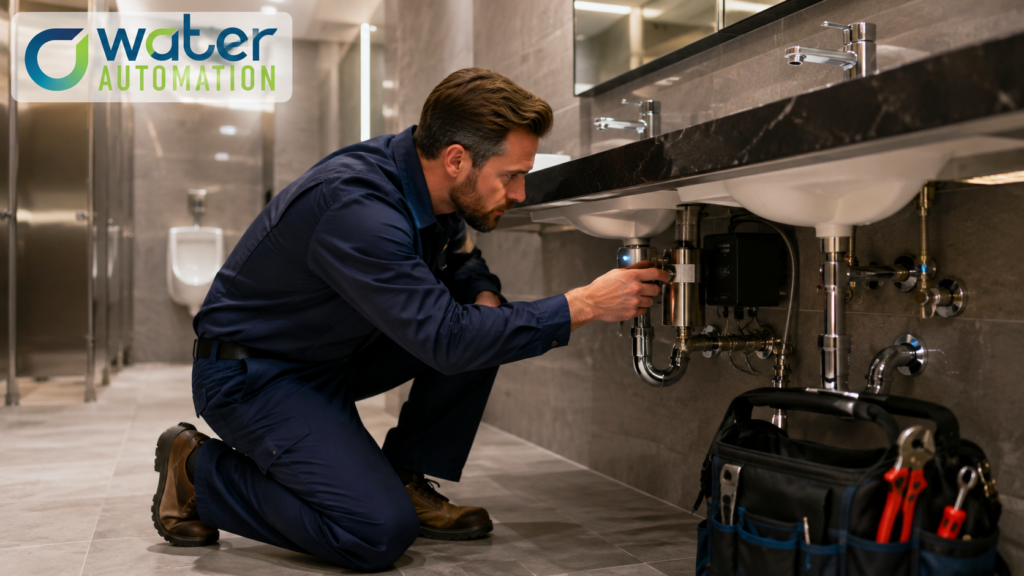
commercial restroom leak detection works best when the decision begins with observed conditions rather than assumptions. Owners often see a symptom and jump directly to a product, repair or proposal. A stronger process identifies what is happening, where it happens, who is affected and how the finished work will be verified. This guide turns that process into practical steps for properties in homes, apartments and commercial properties.
The right scope depends on fixture condition, connection compatibility, device access and a documented response process. A useful assessment connects those facts to the owner’s priorities, budget and timeline. It also separates immediate safety or damage-control needs from long-term improvements.
Why commercial restroom leak detection deserves a written plan
A written plan keeps different stakeholders focused on the same outcome. Begin with the locations, fixtures, rooms or building systems included in the project. Note recurring complaints, previous repairs, existing documentation and operational constraints. Photographs and dated observations are more useful than vague descriptions.
Define success in testable language. Instead of saying “make it better,” identify the event to prevent or detect, the area that must be protected, the expected response and the person responsible. This makes proposals easier to compare and gives the installer or contractor a clear acceptance target.
Review the relevant service information before requesting proposals. It establishes what the client actually offers. For broader context, consult this authoritative resource. General guidance does not replace a site-specific evaluation, manufacturer instructions, applicable codes or qualified professional advice.
Inspect existing conditions before choosing a solution
Start with a safe, structured inspection. Do not climb onto damaged roofs, open energized equipment or modify plumbing or security hardware without the right training. Record visible conditions from safe locations and gather drawings, maintenance records, prior invoices and equipment details.
Look for patterns. Does the issue appear only after a storm, during peak occupancy, at one fixture, after a network change or in a particular season? When did it begin? Has a temporary repair changed the symptom? Pattern questions help distinguish a local defect from a system-wide problem.
Existing infrastructure may be reusable, but reuse should be verified rather than assumed. Condition, compatibility, capacity, support status and access all matter. A component that still turns on may nevertheless be unsuitable for the intended result.
Questions to answer during the review
- What problem are we trying to prevent, detect or correct?
- Which areas and users are included or excluded?
- What existing components may remain, and how will compatibility be confirmed?
- Are there access, safety, power, network, drainage or shutdown constraints?
- Who approves changes and who owns the system after handoff?
- What evidence will prove the work performs as intended?
Build a comparable scope and budget
Ask providers to price the same written scope. A lower proposal may exclude access work, disposal, testing, documentation or support. A higher proposal may include features that are unnecessary for the property. Require clear assumptions, exclusions and allowances so the comparison is about value rather than headline totals.
Include preparation, installation, commissioning and closeout. Preparation may involve surveys, measurements, permits, coordination or product selection. Installation should identify locations and materials. Commissioning should state what is tested. Closeout should include photographs, reports, manuals, settings or as-built information appropriate to the work.
Avoid making decisions under artificial pressure. Urgent leaks and hazards require prompt stabilization, but long-term work should still have a documented reason. Ask why a recommended option fits the observed condition, what alternatives were considered and what would change the recommendation.
Pilot and verify commercial restroom leak detection
For repeatable installations or multi-location projects, test a representative area first. A pilot exposes access problems, incompatible fittings or hardware, documentation gaps and training needs before they multiply. Choose a normal site or unit, not only the easiest example.
Record baseline conditions, the approved work and the acceptance results. If the pilot changes the plan, update the scope before scaling. Communicate expected interruptions and support contacts to occupants or staff. Keep safety procedures and official instructions available to the people performing the work.
Commissioning should prove realistic operation, not merely confirm that something powers on or looks finished. Test normal behavior and relevant warning, failure or response conditions. Confirm labels, settings, drainage paths, permissions, shutoff behavior or surface details as applicable.
Acceptance checklist
- Confirm installed locations and products match the approved scope.
- Test normal operation and relevant warning or failure conditions.
- Record exceptions and correct them before final sign-off.
- Collect photographs, reports, manuals and approved field changes.
- Train the person responsible for routine use and maintenance.
- Record support contacts and the process for future changes.
Plan maintenance and ownership
Every project needs an owner after installation. Name the person responsible for routine checks, account or access changes, cleaning, batteries, drainage, inspections or service calls as applicable. Put recurring tasks on a calendar and keep records where the next technician can find them.
Schedule an early follow-up after normal use or a relevant weather cycle. Occupancy, seasonal conditions and daily operation can reveal issues that were not visible on completion day. Prompt corrections protect the investment and keep small defects from becoming disruptive.
See the client’s related resource for the next layer of information. Connecting educational content to a real service or product page helps the reader move from research to an appropriate, supportable action.
Common mistakes to avoid
The most common mistake is selecting a solution before confirming the cause. Others include assuming every property or unit is identical, ignoring existing-condition constraints, failing to assign response ownership and accepting work without testing or documentation. Scattered closeout records also make future maintenance slower and riskier.
A better rhythm is simple: inspect, define, compare, pilot, verify and document. It does not remove every surprise, but it creates a traceable reason for each decision and a fair standard for judging the result.
Frequently asked questions
Can an owner complete the initial review?
Yes, owners can gather records and make safe observations. Hazardous access, technical testing and final recommendations should be handled by qualified professionals.
Is the most expensive option always best?
No. The best option is the one that addresses verified conditions, fits the property and includes the testing and support the owner actually needs.
Can existing equipment or materials be reused?
Sometimes. Reuse depends on condition, compatibility, capacity, support status and the intended outcome.
What should I receive at handoff?
Request appropriate test results, photos, manuals, settings, product details, as-built changes, maintenance instructions and support contacts.
Take the next step on commercial restroom leak detection
Strong commercial restroom leak detection begins with evidence, a defined outcome and a scope that can be tested. The answer may be a focused repair, a phased rollout, a compatible product or a broader improvement; observed conditions should drive that choice.
Ready to discuss the property or project? Contact Water Automation / aquaHALT to share the location, goals and timing, and request the appropriate next step.

fixture-level leak detection for apartments works best when the decision begins with observed conditions rather than assumptions. Owners often see a symptom and jump directly to a product, repair or proposal. A stronger process identifies what is happening, where it happens, who is affected and how the finished work will be verified. This guide turns that process into practical steps for properties in homes, apartments and commercial properties.
The right scope depends on fixture condition, connection compatibility, device access and a documented response process. A useful assessment connects those facts to the owner’s priorities, budget and timeline. It also separates immediate safety or damage-control needs from long-term improvements.
Why fixture-level leak detection for apartments deserves a written plan
A written plan keeps different stakeholders focused on the same outcome. Begin with the locations, fixtures, rooms or building systems included in the project. Note recurring complaints, previous repairs, existing documentation and operational constraints. Photographs and dated observations are more useful than vague descriptions.
Define success in testable language. Instead of saying “make it better,” identify the event to prevent or detect, the area that must be protected, the expected response and the person responsible. This makes proposals easier to compare and gives the installer or contractor a clear acceptance target.
Review the relevant service information before requesting proposals. It establishes what the client actually offers. For broader context, consult this authoritative resource. General guidance does not replace a site-specific evaluation, manufacturer instructions, applicable codes or qualified professional advice.
Inspect existing conditions before choosing a solution
Start with a safe, structured inspection. Do not climb onto damaged roofs, open energized equipment or modify plumbing or security hardware without the right training. Record visible conditions from safe locations and gather drawings, maintenance records, prior invoices and equipment details.
Look for patterns. Does the issue appear only after a storm, during peak occupancy, at one fixture, after a network change or in a particular season? When did it begin? Has a temporary repair changed the symptom? Pattern questions help distinguish a local defect from a system-wide problem.
Existing infrastructure may be reusable, but reuse should be verified rather than assumed. Condition, compatibility, capacity, support status and access all matter. A component that still turns on may nevertheless be unsuitable for the intended result.
Questions to answer during the review
- What problem are we trying to prevent, detect or correct?
- Which areas and users are included or excluded?
- What existing components may remain, and how will compatibility be confirmed?
- Are there access, safety, power, network, drainage or shutdown constraints?
- Who approves changes and who owns the system after handoff?
- What evidence will prove the work performs as intended?
Build a comparable scope and budget
Ask providers to price the same written scope. A lower proposal may exclude access work, disposal, testing, documentation or support. A higher proposal may include features that are unnecessary for the property. Require clear assumptions, exclusions and allowances so the comparison is about value rather than headline totals.
Include preparation, installation, commissioning and closeout. Preparation may involve surveys, measurements, permits, coordination or product selection. Installation should identify locations and materials. Commissioning should state what is tested. Closeout should include photographs, reports, manuals, settings or as-built information appropriate to the work.
Avoid making decisions under artificial pressure. Urgent leaks and hazards require prompt stabilization, but long-term work should still have a documented reason. Ask why a recommended option fits the observed condition, what alternatives were considered and what would change the recommendation.
Pilot and verify fixture-level leak detection for apartments
For repeatable installations or multi-location projects, test a representative area first. A pilot exposes access problems, incompatible fittings or hardware, documentation gaps and training needs before they multiply. Choose a normal site or unit, not only the easiest example.
Record baseline conditions, the approved work and the acceptance results. If the pilot changes the plan, update the scope before scaling. Communicate expected interruptions and support contacts to occupants or staff. Keep safety procedures and official instructions available to the people performing the work.
Commissioning should prove realistic operation, not merely confirm that something powers on or looks finished. Test normal behavior and relevant warning, failure or response conditions. Confirm labels, settings, drainage paths, permissions, shutoff behavior or surface details as applicable.
Acceptance checklist
- Confirm installed locations and products match the approved scope.
- Test normal operation and relevant warning or failure conditions.
- Record exceptions and correct them before final sign-off.
- Collect photographs, reports, manuals and approved field changes.
- Train the person responsible for routine use and maintenance.
- Record support contacts and the process for future changes.
Plan maintenance and ownership
Every project needs an owner after installation. Name the person responsible for routine checks, account or access changes, cleaning, batteries, drainage, inspections or service calls as applicable. Put recurring tasks on a calendar and keep records where the next technician can find them.
Schedule an early follow-up after normal use or a relevant weather cycle. Occupancy, seasonal conditions and daily operation can reveal issues that were not visible on completion day. Prompt corrections protect the investment and keep small defects from becoming disruptive.
See the client’s related resource for the next layer of information. Connecting educational content to a real service or product page helps the reader move from research to an appropriate, supportable action.
Common mistakes to avoid
The most common mistake is selecting a solution before confirming the cause. Others include assuming every property or unit is identical, ignoring existing-condition constraints, failing to assign response ownership and accepting work without testing or documentation. Scattered closeout records also make future maintenance slower and riskier.
A better rhythm is simple: inspect, define, compare, pilot, verify and document. It does not remove every surprise, but it creates a traceable reason for each decision and a fair standard for judging the result.
Frequently asked questions
Can an owner complete the initial review?
Yes, owners can gather records and make safe observations. Hazardous access, technical testing and final recommendations should be handled by qualified professionals.
Is the most expensive option always best?
No. The best option is the one that addresses verified conditions, fits the property and includes the testing and support the owner actually needs.
Can existing equipment or materials be reused?
Sometimes. Reuse depends on condition, compatibility, capacity, support status and the intended outcome.
What should I receive at handoff?
Request appropriate test results, photos, manuals, settings, product details, as-built changes, maintenance instructions and support contacts.
Take the next step on fixture-level leak detection for apartments
Strong fixture-level leak detection for apartments begins with evidence, a defined outcome and a scope that can be tested. The answer may be a focused repair, a phased rollout, a compatible product or a broader improvement; observed conditions should drive that choice.
Ready to discuss the property or project? Contact Water Automation / aquaHALT to share the location, goals and timing, and request the appropriate next step.
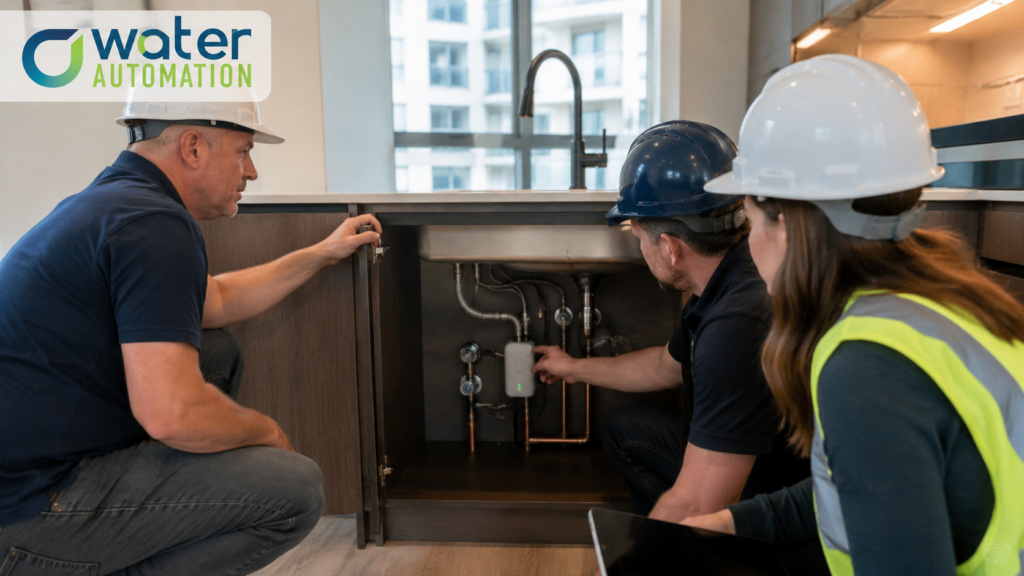
water leak protection for new construction works best when the decision begins with observed conditions rather than assumptions. Owners often see a symptom and jump directly to a product, repair or proposal. A stronger process identifies what is happening, where it happens, who is affected and how the finished work will be verified. This guide turns that process into practical steps for properties in homes, apartments and commercial properties.
The right scope depends on fixture condition, connection compatibility, device access and a documented response process. A useful assessment connects those facts to the owner’s priorities, budget and timeline. It also separates immediate safety or damage-control needs from long-term improvements.
Why water leak protection for new construction deserves a written plan
A written plan keeps different stakeholders focused on the same outcome. Begin with the locations, fixtures, rooms or building systems included in the project. Note recurring complaints, previous repairs, existing documentation and operational constraints. Photographs and dated observations are more useful than vague descriptions.
Define success in testable language. Instead of saying “make it better,” identify the event to prevent or detect, the area that must be protected, the expected response and the person responsible. This makes proposals easier to compare and gives the installer or contractor a clear acceptance target.
Review the relevant service information before requesting proposals. It establishes what the client actually offers. For broader context, consult this authoritative resource. General guidance does not replace a site-specific evaluation, manufacturer instructions, applicable codes or qualified professional advice.
Inspect existing conditions before choosing a solution
Start with a safe, structured inspection. Do not climb onto damaged roofs, open energized equipment or modify plumbing or security hardware without the right training. Record visible conditions from safe locations and gather drawings, maintenance records, prior invoices and equipment details.
Look for patterns. Does the issue appear only after a storm, during peak occupancy, at one fixture, after a network change or in a particular season? When did it begin? Has a temporary repair changed the symptom? Pattern questions help distinguish a local defect from a system-wide problem.
Existing infrastructure may be reusable, but reuse should be verified rather than assumed. Condition, compatibility, capacity, support status and access all matter. A component that still turns on may nevertheless be unsuitable for the intended result.
Questions to answer during the review
- What problem are we trying to prevent, detect or correct?
- Which areas and users are included or excluded?
- What existing components may remain, and how will compatibility be confirmed?
- Are there access, safety, power, network, drainage or shutdown constraints?
- Who approves changes and who owns the system after handoff?
- What evidence will prove the work performs as intended?
Build a comparable scope and budget
Ask providers to price the same written scope. A lower proposal may exclude access work, disposal, testing, documentation or support. A higher proposal may include features that are unnecessary for the property. Require clear assumptions, exclusions and allowances so the comparison is about value rather than headline totals.
Include preparation, installation, commissioning and closeout. Preparation may involve surveys, measurements, permits, coordination or product selection. Installation should identify locations and materials. Commissioning should state what is tested. Closeout should include photographs, reports, manuals, settings or as-built information appropriate to the work.
Avoid making decisions under artificial pressure. Urgent leaks and hazards require prompt stabilization, but long-term work should still have a documented reason. Ask why a recommended option fits the observed condition, what alternatives were considered and what would change the recommendation.
Pilot and verify water leak protection for new construction
For repeatable installations or multi-location projects, test a representative area first. A pilot exposes access problems, incompatible fittings or hardware, documentation gaps and training needs before they multiply. Choose a normal site or unit, not only the easiest example.
Record baseline conditions, the approved work and the acceptance results. If the pilot changes the plan, update the scope before scaling. Communicate expected interruptions and support contacts to occupants or staff. Keep safety procedures and official instructions available to the people performing the work.
Commissioning should prove realistic operation, not merely confirm that something powers on or looks finished. Test normal behavior and relevant warning, failure or response conditions. Confirm labels, settings, drainage paths, permissions, shutoff behavior or surface details as applicable.
Acceptance checklist
- Confirm installed locations and products match the approved scope.
- Test normal operation and relevant warning or failure conditions.
- Record exceptions and correct them before final sign-off.
- Collect photographs, reports, manuals and approved field changes.
- Train the person responsible for routine use and maintenance.
- Record support contacts and the process for future changes.
Plan maintenance and ownership
Every project needs an owner after installation. Name the person responsible for routine checks, account or access changes, cleaning, batteries, drainage, inspections or service calls as applicable. Put recurring tasks on a calendar and keep records where the next technician can find them.
Schedule an early follow-up after normal use or a relevant weather cycle. Occupancy, seasonal conditions and daily operation can reveal issues that were not visible on completion day. Prompt corrections protect the investment and keep small defects from becoming disruptive.
See the client’s related resource for the next layer of information. Connecting educational content to a real service or product page helps the reader move from research to an appropriate, supportable action.
Common mistakes to avoid
The most common mistake is selecting a solution before confirming the cause. Others include assuming every property or unit is identical, ignoring existing-condition constraints, failing to assign response ownership and accepting work without testing or documentation. Scattered closeout records also make future maintenance slower and riskier.
A better rhythm is simple: inspect, define, compare, pilot, verify and document. It does not remove every surprise, but it creates a traceable reason for each decision and a fair standard for judging the result.
Frequently asked questions
Can an owner complete the initial review?
Yes, owners can gather records and make safe observations. Hazardous access, technical testing and final recommendations should be handled by qualified professionals.
Is the most expensive option always best?
No. The best option is the one that addresses verified conditions, fits the property and includes the testing and support the owner actually needs.
Can existing equipment or materials be reused?
Sometimes. Reuse depends on condition, compatibility, capacity, support status and the intended outcome.
What should I receive at handoff?
Request appropriate test results, photos, manuals, settings, product details, as-built changes, maintenance instructions and support contacts.
Take the next step on water leak protection for new construction
Strong water leak protection for new construction begins with evidence, a defined outcome and a scope that can be tested. The answer may be a focused repair, a phased rollout, a compatible product or a broader improvement; observed conditions should drive that choice.
Ready to discuss the property or project? Contact Water Automation / aquaHALT to share the location, goals and timing, and request the appropriate next step.