“A small leak will sink a great ship.”
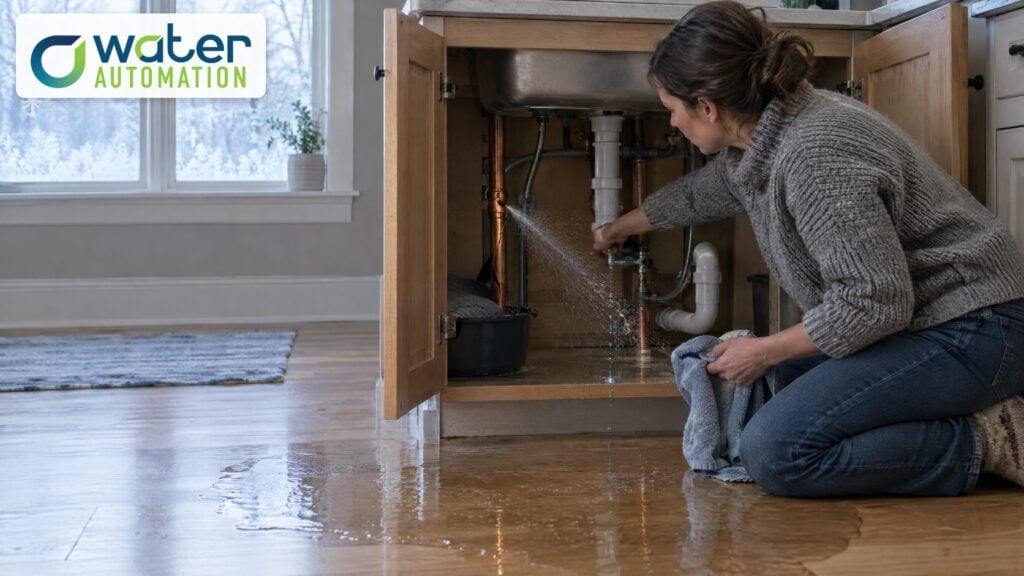
Benjamin Franklin said that. And while he wasn’t talking about your office building or your home, the principle still applies. Water damage doesn’t start with a flood. It starts with a drip. A forgotten valve. A worn-out gasket. The silent destroyers.
Here’s the scary part: water damage is one of the most common and costly claims for property owners, accounting for nearly 24% of all insurance claims in commercial buildings. That’s more than occasional bad luck. It’s a system-wide opportunity to do better.
Let’s talk prevention. Not theory. Not vague tips. Actual, workable things you can put in place right now to avoid a water disaster later.
1. Get a Water Damage Prevention System in Place Now
Let’s start with the biggest lever. If you only do one thing after reading this, make it this: install a water damage prevention system. These systems aren’t just for luxury hotels or high-end office spaces anymore. Prices have dropped, and smart tech has gotten…well, smarter.
Here’s what a solid system includes:
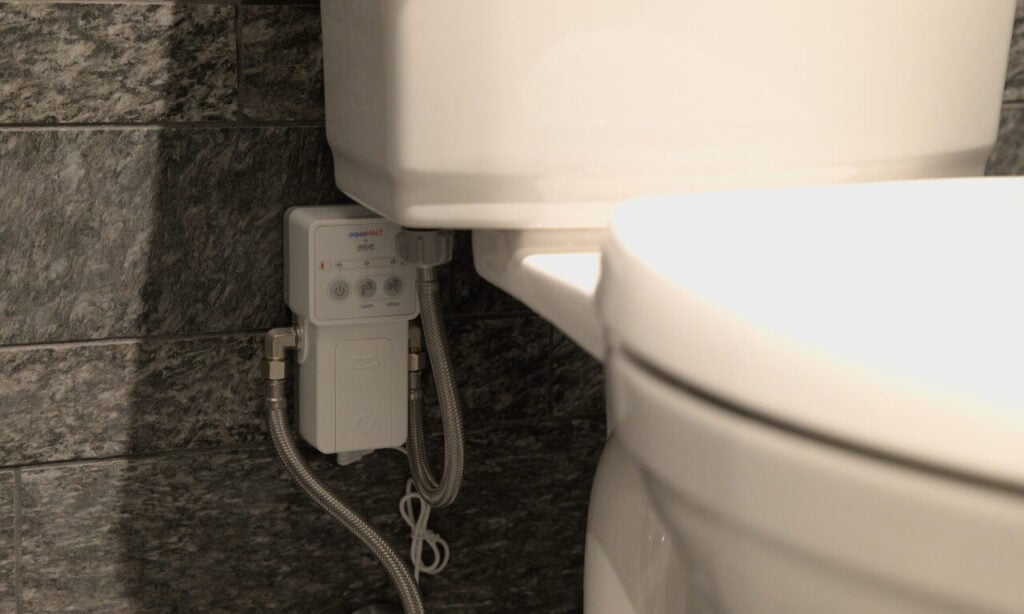
- Leak detection sensors near vulnerable areas: under sinks, behind toilets, near HVAC systems, and water heaters.
- Automatic shut-off valves that stop water flow the moment a leak is detected.
- Remote monitoring via app or dashboard so your facilities team can react in real time, even on weekends.
2. Audit Your Building Like a Saboteur
Once a year isn’t enough. Make water risk checks part of your quarterly maintenance routines. And go in with the mindset of a saboteur: where could water cause the most chaos?
Here’s what to look for:
- Corrosion on pipes
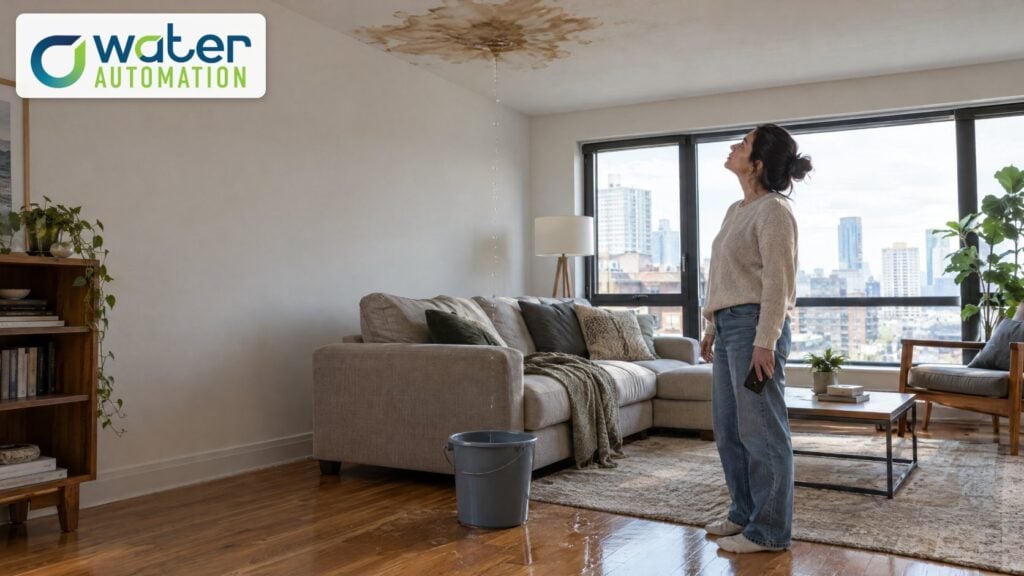
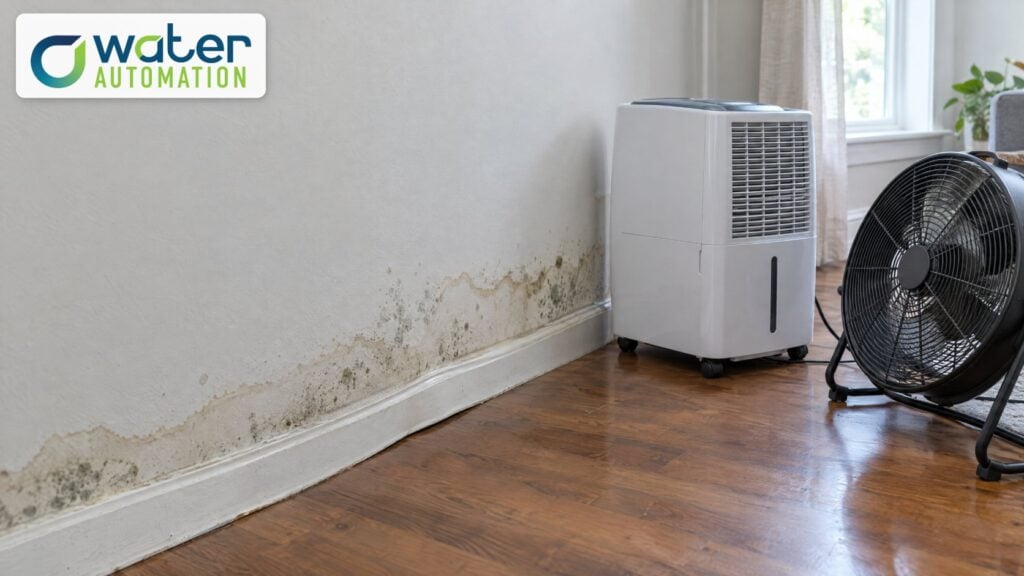
- Water stains on ceilings or walls
- Slow drains or pooling water
- Outdated plumbing components (if it’s older than 10 years, it’s due for scrutiny)
Then document. Photograph. Flag. Fix. Preventative maintenance may not feel urgent, but you can’t skip it.
3. Train Your Team Like It’s a Fire Drill
Most water damage disasters don’t happen at 2 p.m. on a Tuesday. They happen at night, or when the office is empty. That’s why your staff or tenants need to know exactly what to do if something goes wrong.
At minimum:
- Make sure they know where the main water shut-off valve is.
- Have a protocol for reporting and escalating issues.
- Include water emergencies in your disaster recovery plan.
You can’t react to what you don’t see or prepare for.
Why it’s worth doing now
Water finds the weakest point and takes over. You can fight back with foresight and the right tech. We can’t recommend a water damage prevention system enough. It’s about avoiding disruption as much as damage.
Small investments now. Massive savings later.