Smart water leak sensors are changing apartment leak detection by putting tenants, landlords and property managers on the same page before anything gets wet.
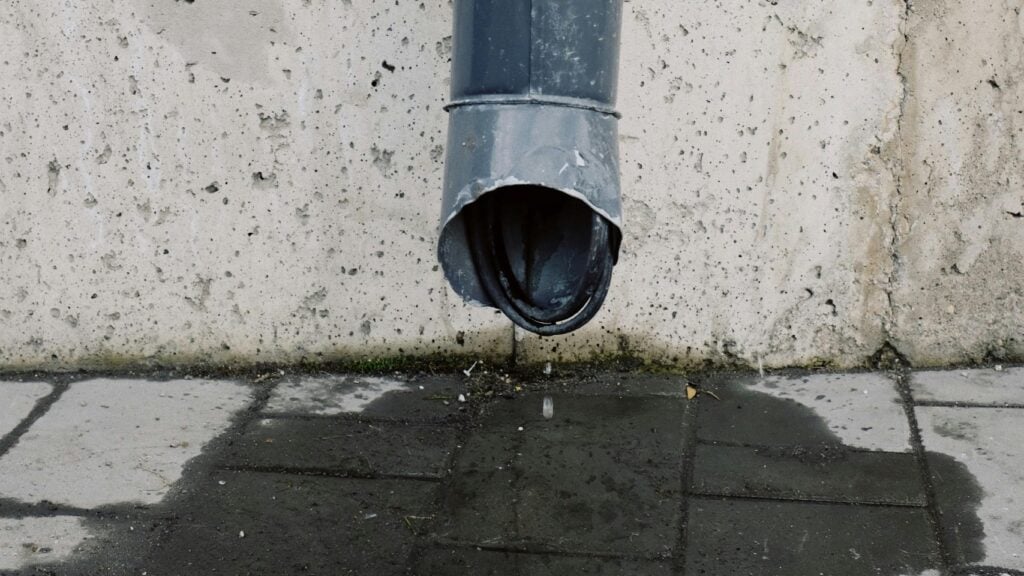
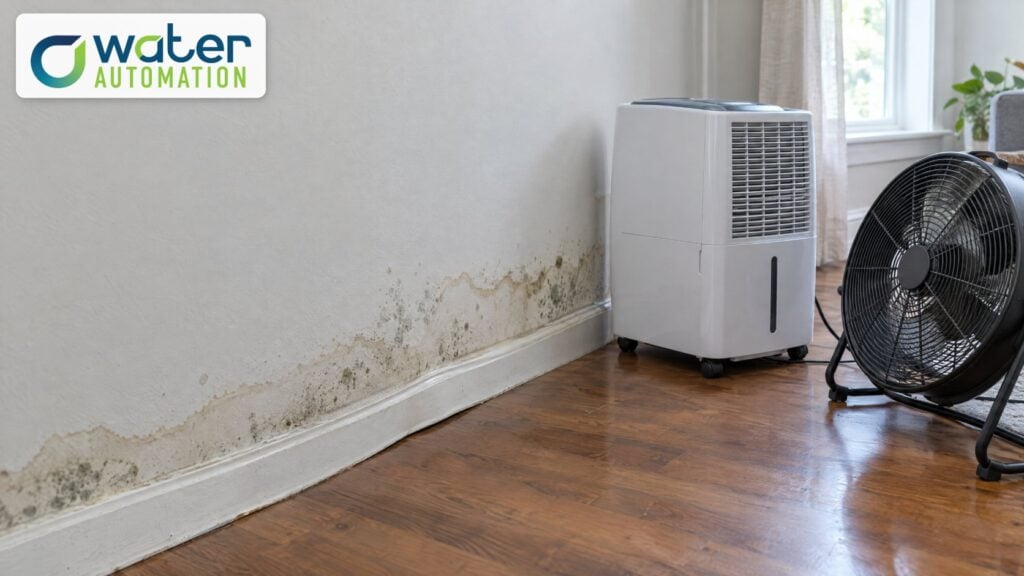
Leaks are quiet. They give themselves away slowly, through warped floors, stained ceilings and that creeping, sour smell of moisture. Smart sensors catch them sooner.
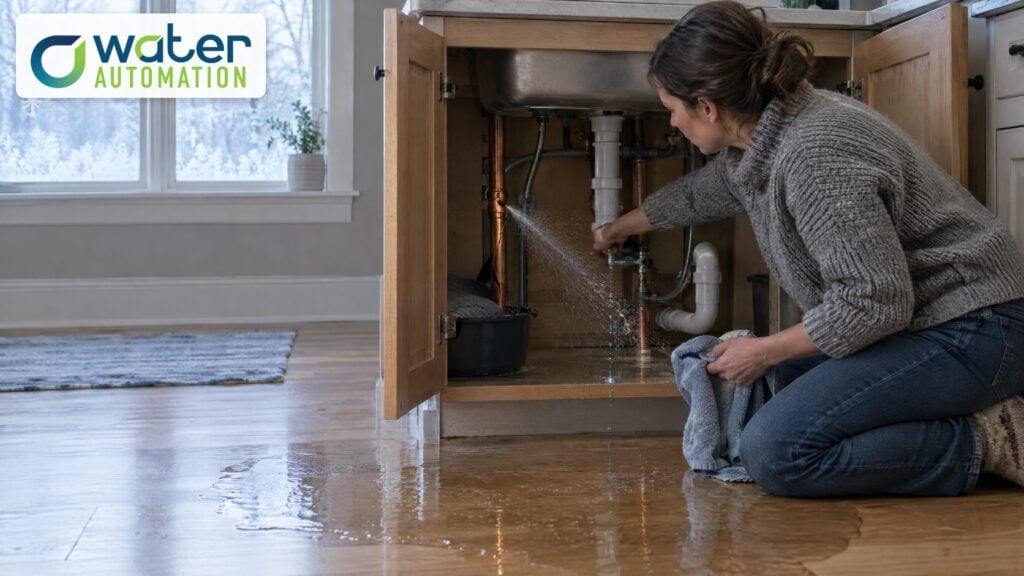
The sensors go under sinks, near heaters and anywhere else water can sneak out. When one senses moisture, or an abnormal temperature or humidity level, it sends a signal instantly, whether or not anyone’s home.
One big advantage of these sensors is flexibility. You don’t need to retrofit an entire building: Wi-Fi leak sensors run on batteries, join the building’s network and are easy to move or replace. That means:
- No disruption during installation
- Alerts through the sensor maker’s app or dashboard
- Scalability for properties of any size
They help limit the damage, and they build trust with tenants who know their landlord or manager is actively protecting their home.
Choosing smart water leak sensors for apartments
When you’re choosing a system, here’s what matters:
- Battery backup (for power outages)
- Multi-device sync (so alerts don’t get lost)
- Cloud-based dashboard with centralized monitoring
Technology can’t fix a leak, but it can tell you when one starts. In apartment leak detection, that kind of early warning is priceless.
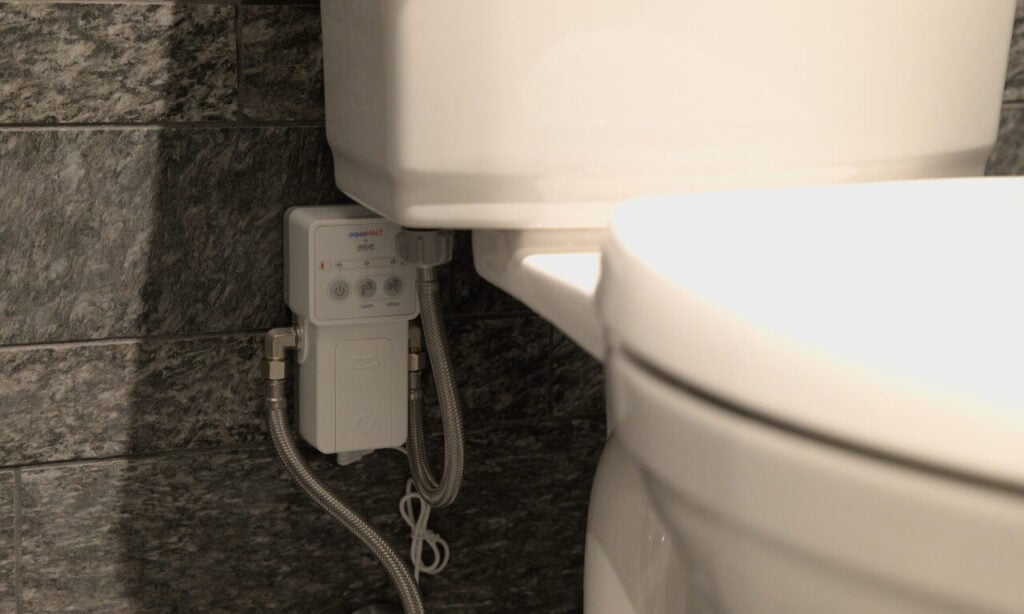
aquaHALT works differently. It has no Wi-Fi, app or dashboard, so it won’t send an alert to anyone’s phone. When its sensor detects water, it shuts off the water to the one toilet, sink or ice maker it’s fitted to. If you’d rather the water stopped by itself, see the four aquaHALT models.
Planning for a whole building? Here’s how to choose water leak detectors for apartment buildings.
If you host short-term guests, the empty days between bookings need their own plan. We’ve written one up on short-term rental water leak prevention, from the turnover check to what an automatic shut-off does while the place is empty.