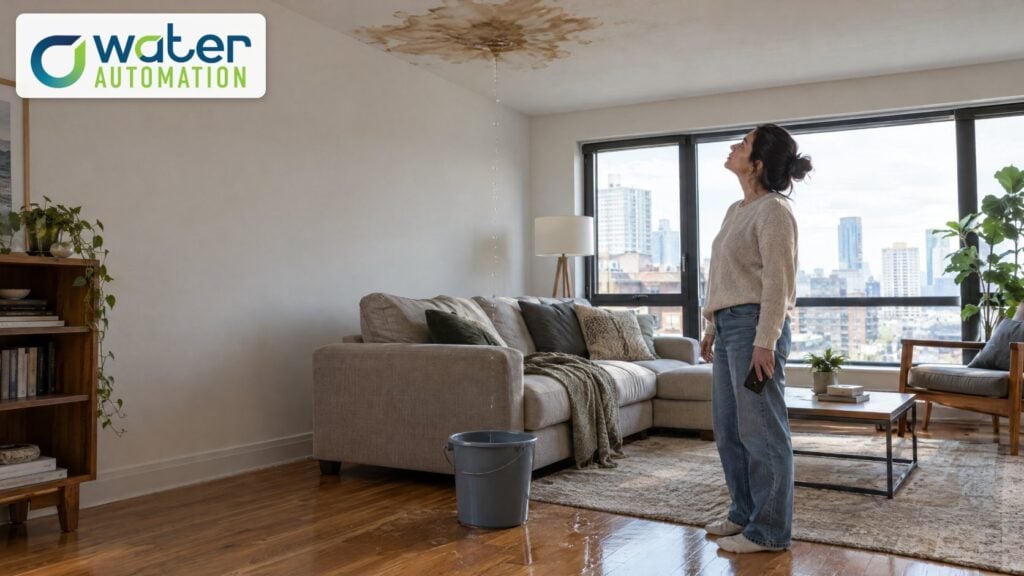
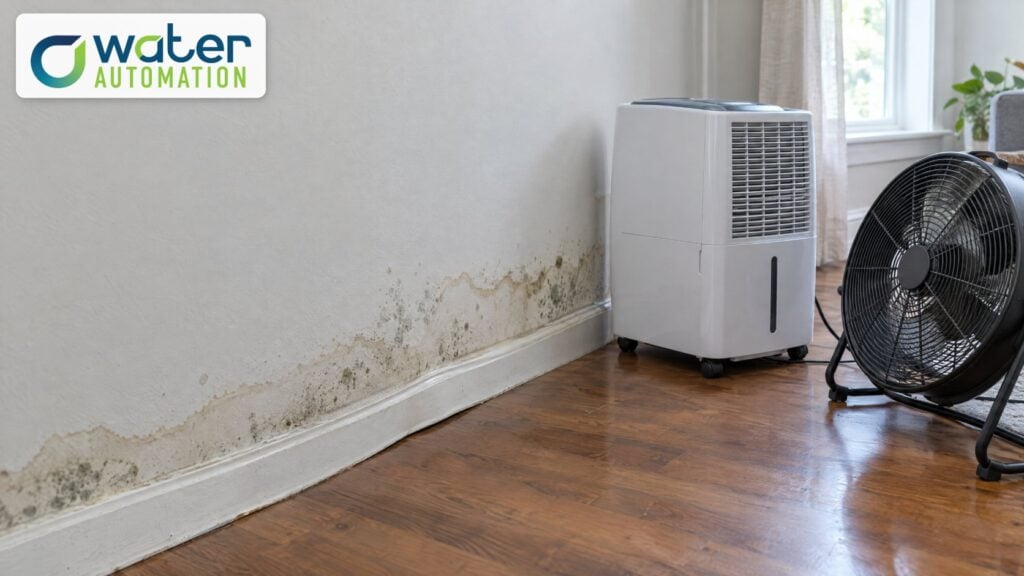
“Water damage claims cost homeowners an average of $11,000 each.” That figure made me rethink how I protect my home. I used to believe a strong insurance policy was enough. But then I realized prevention is not only cheaper — it’s far less stressful. That’s when I invested in an automatic water shut off valve.
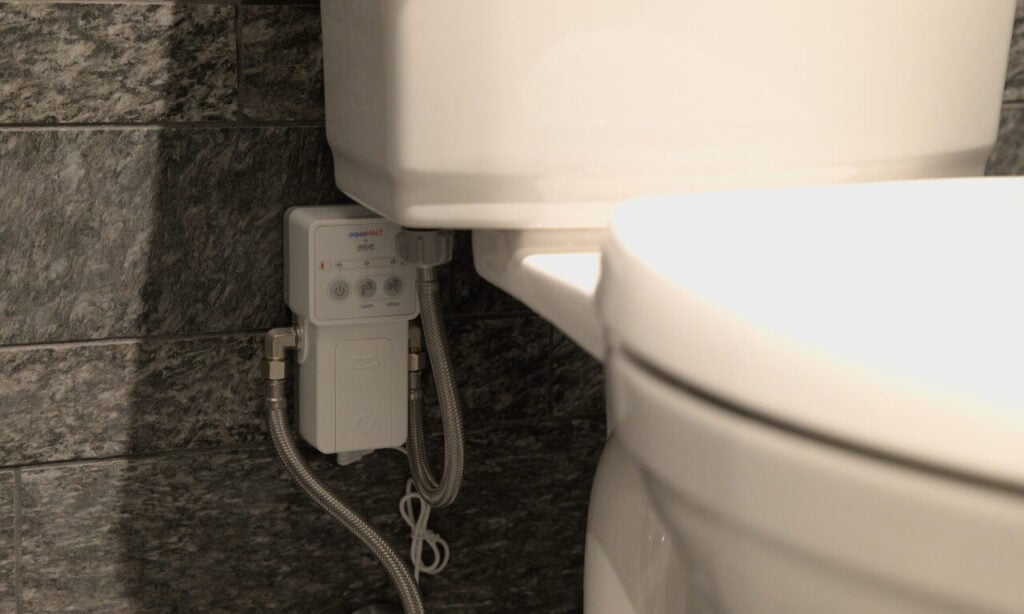
I’ll be honest — I was hesitant at first. Another gadget? More plumbing work? But this wasn’t a gimmick. This was a smart, silent guardian for my water system. I installed mine near the main water line. Here’s how I use it.
First, I connected it to my home’s Wi-Fi. This allows me to monitor and control the system from anywhere. If the sensor detects an unusual flow — like a hidden leak under the floor — the valve shuts the water off automatically. No delay. No panic.
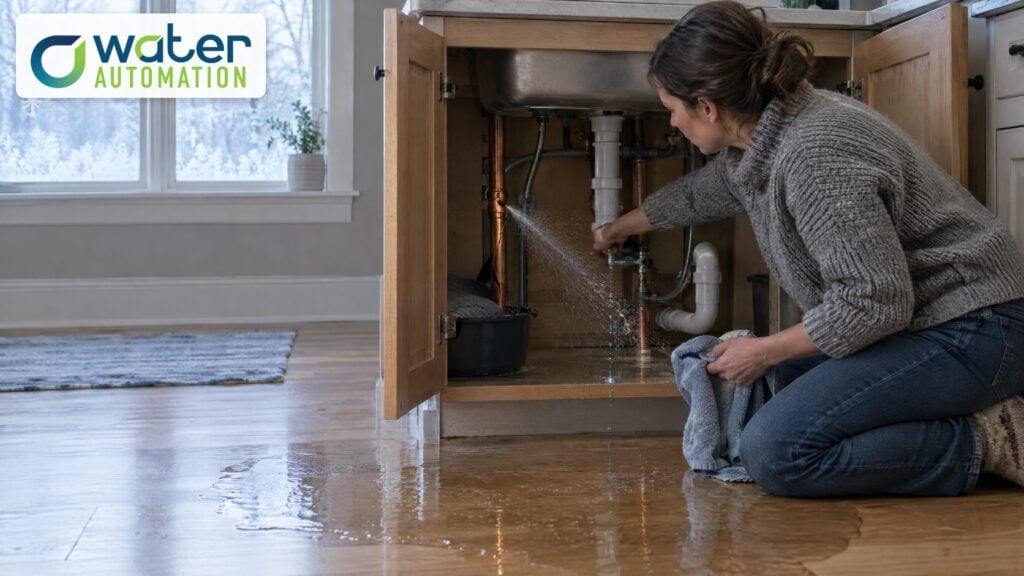
I also set alerts on my phone. Now, if I’m away for the weekend and a pipe bursts, I get an instant notification. I can even override the system remotely. That’s peace of mind I didn’t have before.
Maintenance is simple. I test it every three months by simulating a leak (a controlled trickle from a spare tap). The valve reacts instantly. This keeps the mechanism responsive and reliable.
For me, an automatic water shut off valve isn’t about avoiding repair bills — though it does that. It’s about controlling the uncontrollable. A burst pipe at 3 a.m. is now a minor inconvenience, not a major disaster.