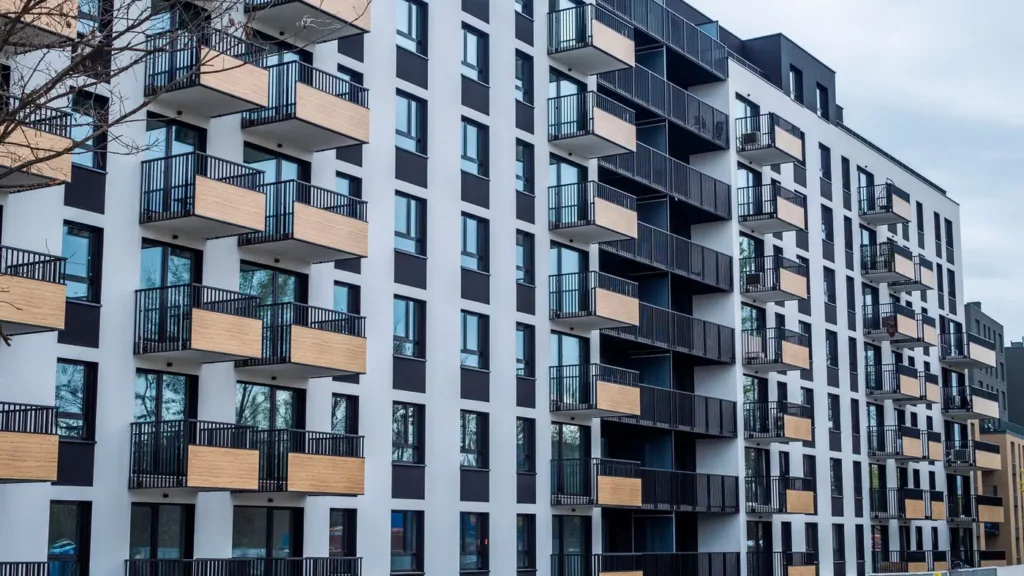
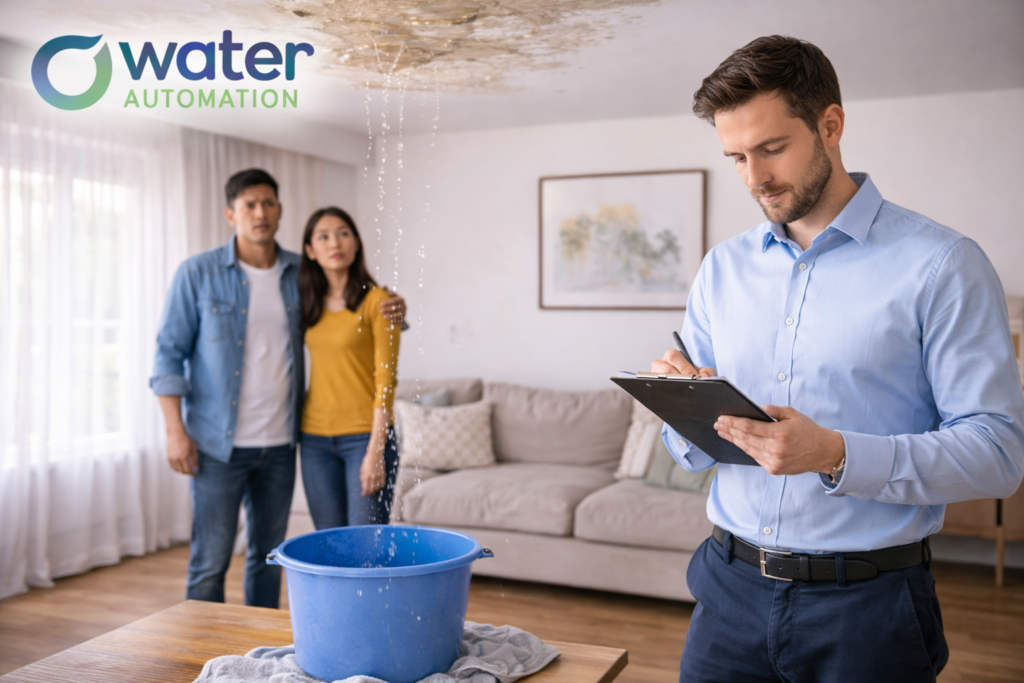
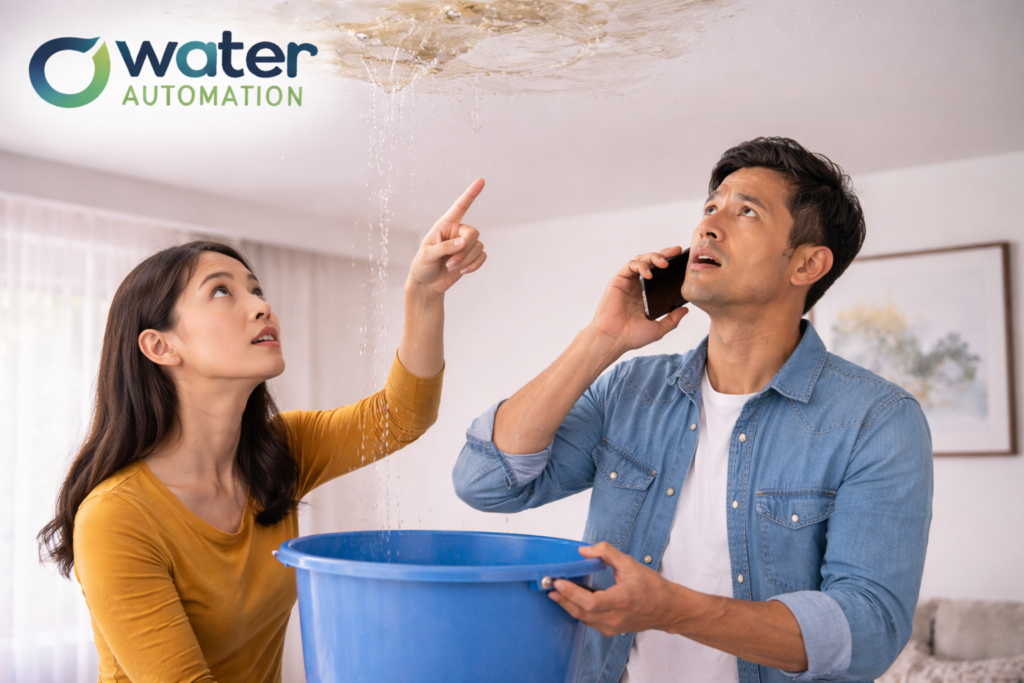
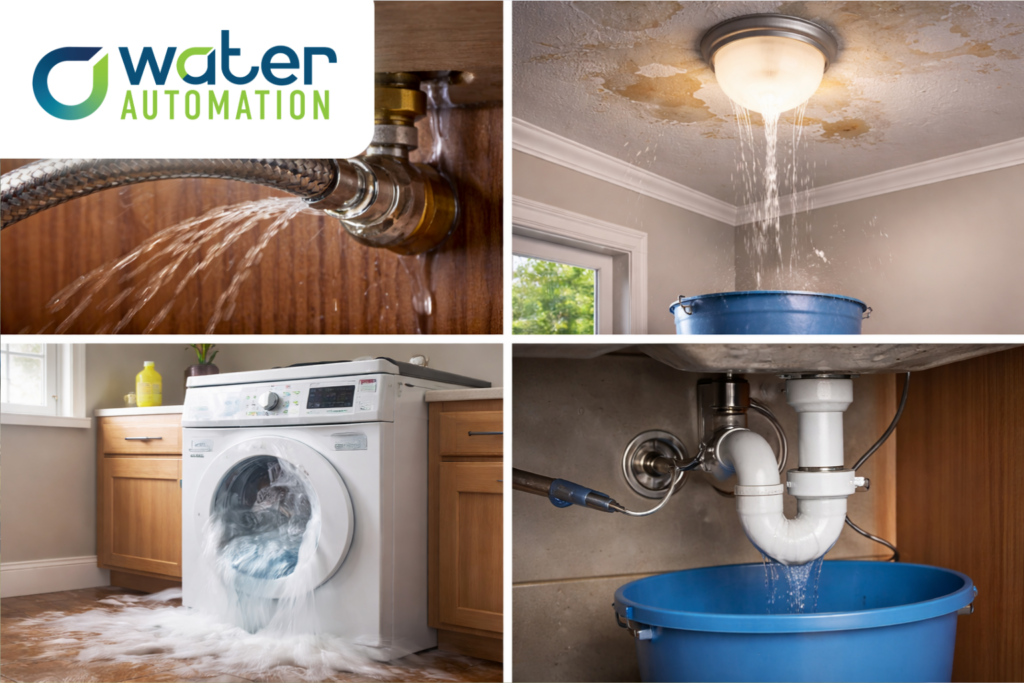
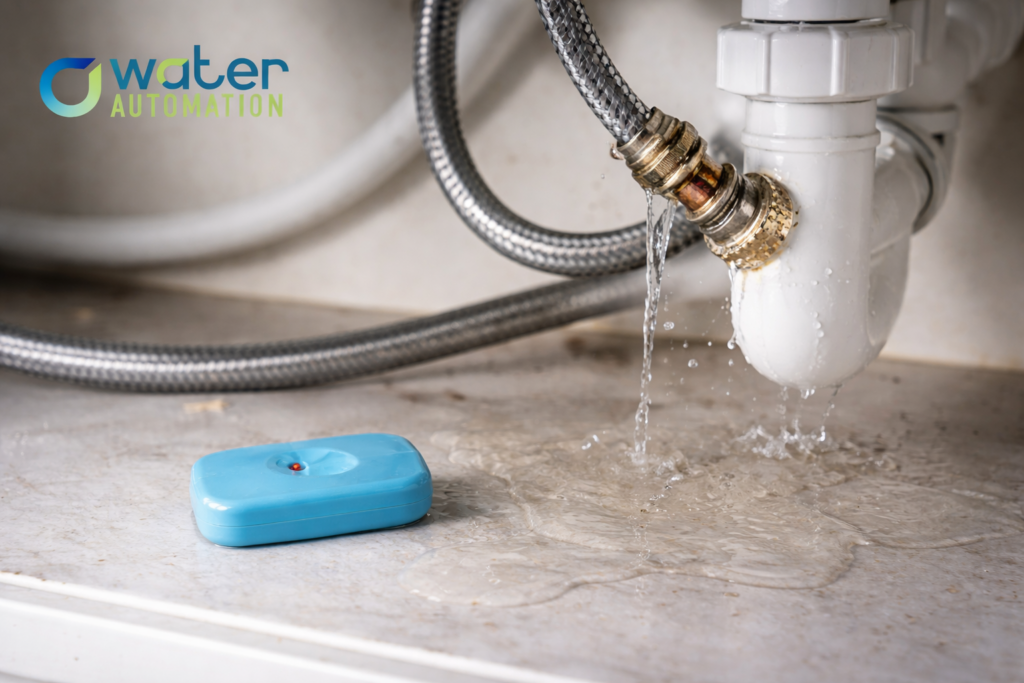
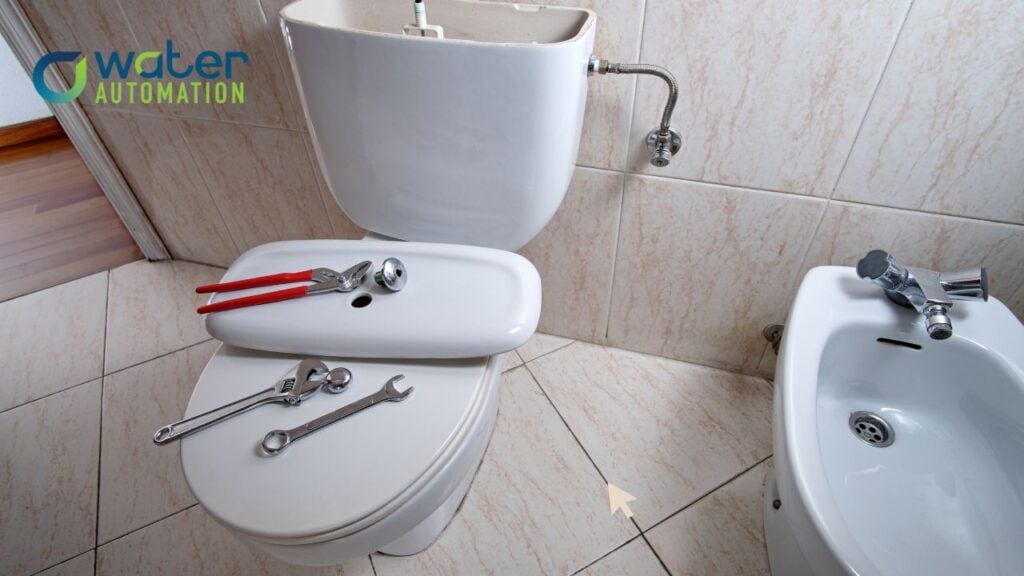
A single leaking toilet, burst supply hose, or failed appliance connection can quickly spread through multiple units, damaging ceilings, flooring, walls, electrical systems, and tenant belongings. For property managers and
Water damage is one of the most common and expensive property insurance claims for homeowners, landlords, and property managers. A leaking toilet, burst supply line, overflowing sink, or failed appliance
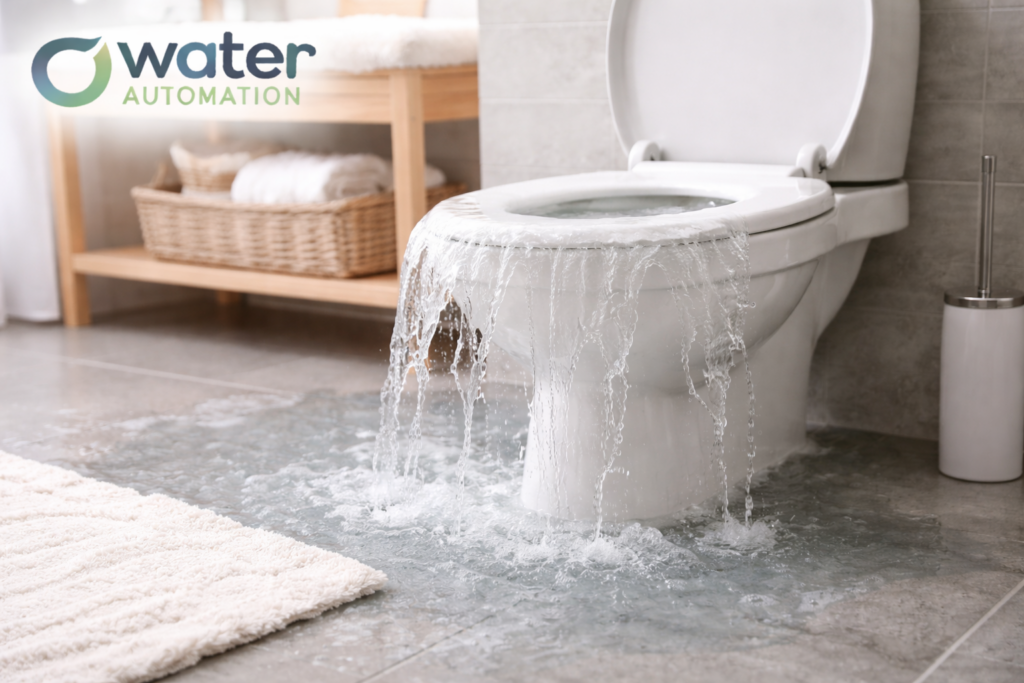
A leaking toilet, burst supply line, or faulty appliance connection can quickly cause serious flooding, mold growth, damaged flooring, and costly repairs. Which is better depends on what has to
Water damage is one of the most expensive and disruptive problems homeowners and property managers can experience. A leaking toilet, burst pipe, overflowing sink, or failed appliance connection can quickly
Water leaks are one of the most common and costly problems homeowners and property managers face. What starts as a slow drip under a sink or a hidden pipe leak
A leaking toilet, a burst supply line or a failed refrigerator connection can quickly lead to flooded units, mold growth, damaged ceilings, insurance claims and unhappy tenants. In many apartment
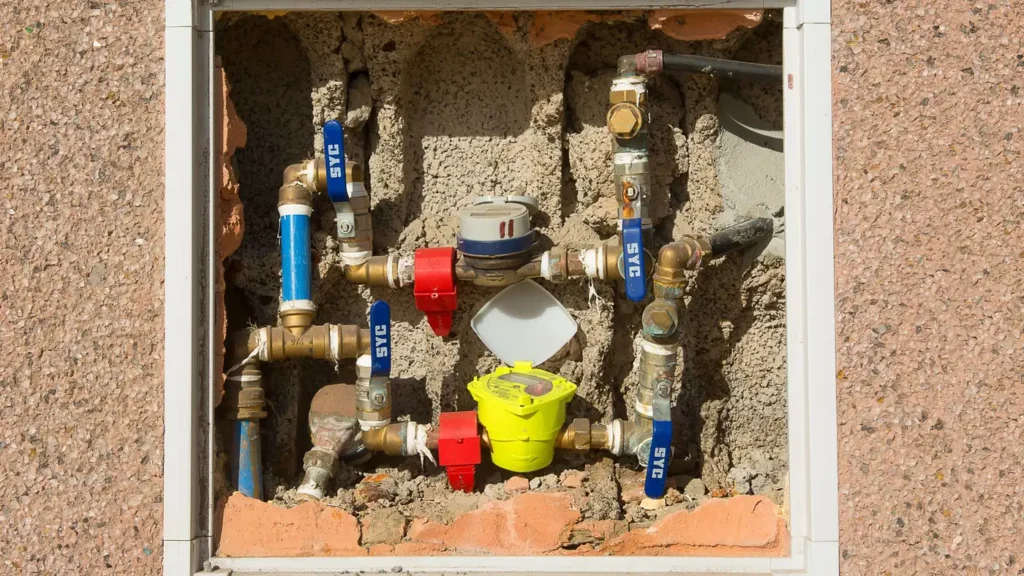
Water is one of the most valuable resources for homes, farms, and businesses. With rising costs and increasing demand, managing water efficiently isn’t optional anymore. This is where smart water
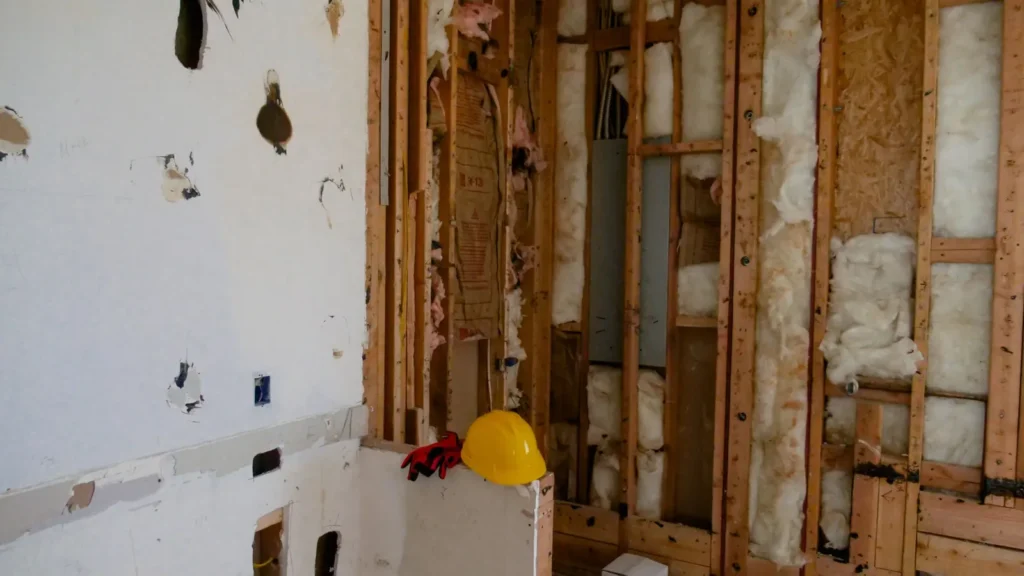
Water damage is one of the most expensive problems a property owner can face, especially when it goes unnoticed. Unlike obvious flooding or burst pipes, hidden leaks can quietly cause
Hidden water damage is one of the most expensive and frustrating issues property owners face. Leaks that occur behind walls, under floors, or inside plumbing systems can go unnoticed for
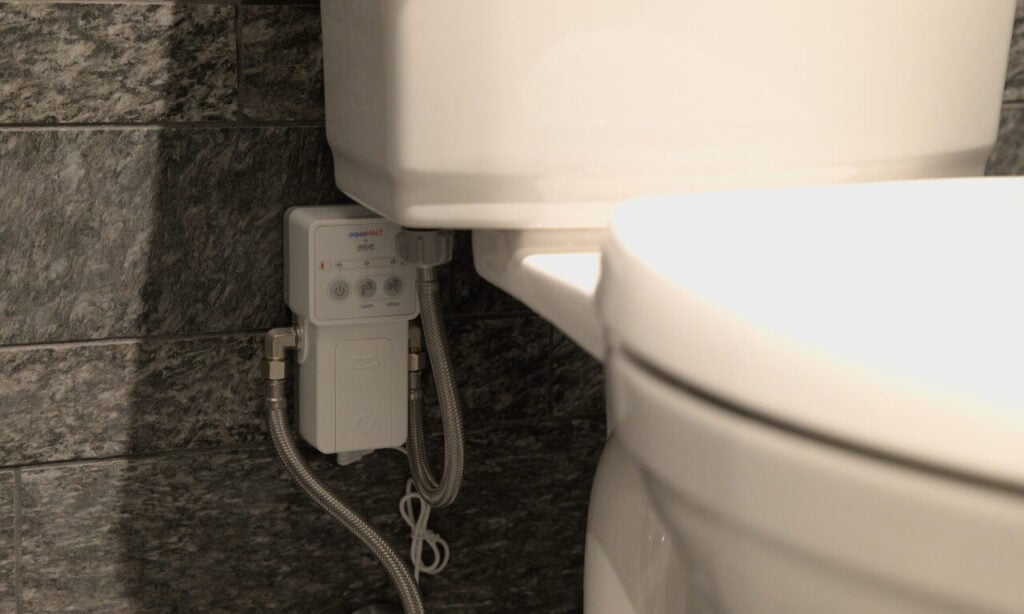
Water leak sensors and automatic shut-off valves are critical to preventing water damage. This ultimate guide to water leak sensors for smart homes explains how these technologies work and how
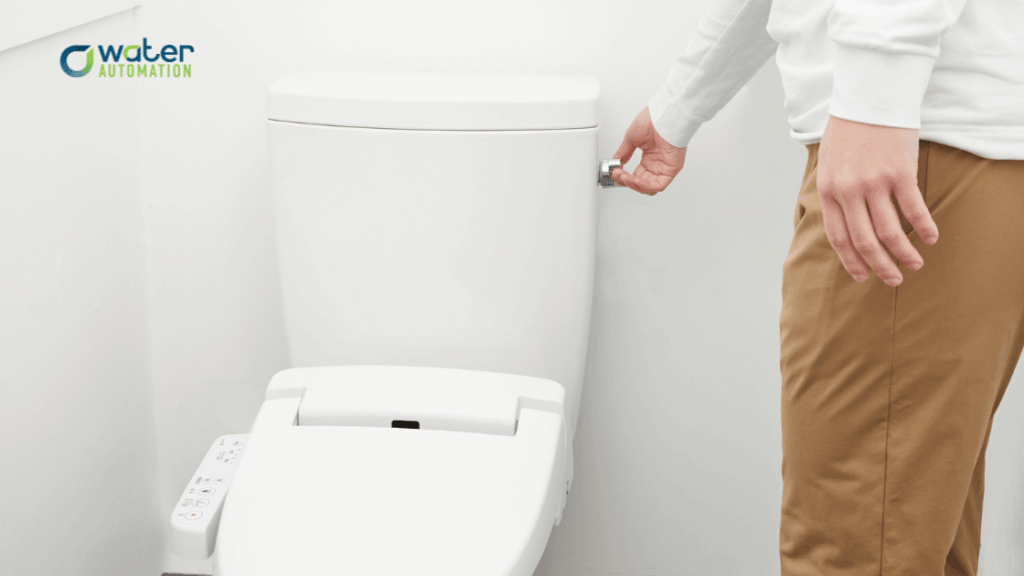
A household toilet made since 1994 uses 1.6 gallons per flush or less, the US federal limit. WaterSense labeled toilets use 1.28 gallons or less, and older, inefficient toilets can
Any questions?
Leave your contacts and your question, and we will contact you as soon as possible.