

Hidden Water Damage and Insurance: What Every Property Owner Needs to Understand
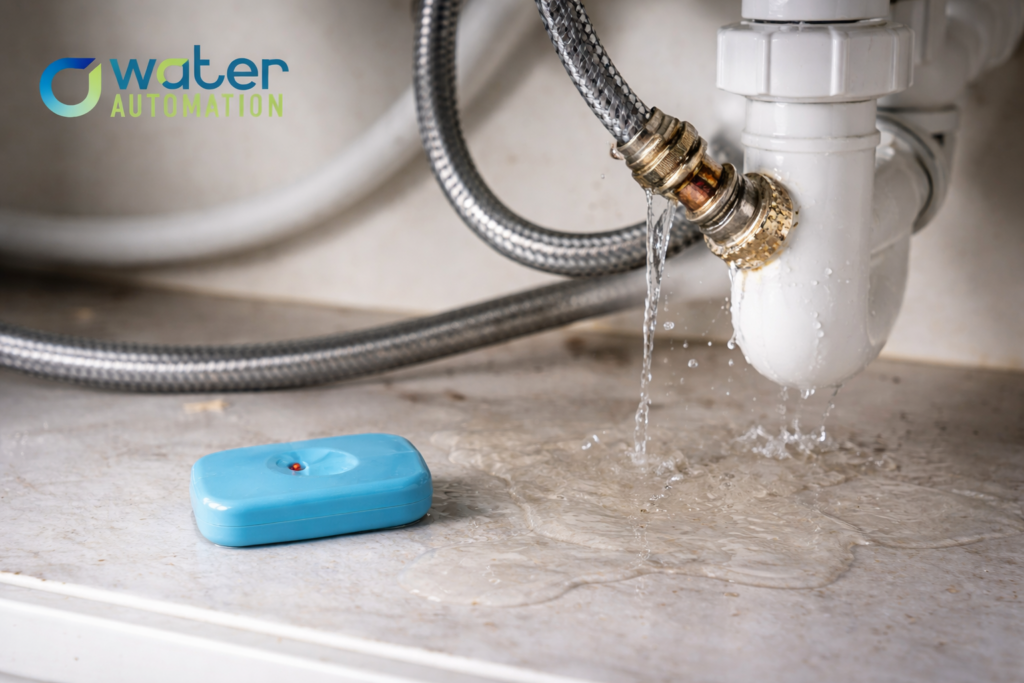
Water damage is one of the most expensive problems a property owner can face, especially when it goes unnoticed. Unlike obvious flooding or burst pipes, hidden leaks can quietly cause serious structural damage over time. This raises an important question: does insurance cover hidden water damage?
The answer depends on how the damage started, how long it went undetected, and what steps were taken to prevent it.
What Counts as Hidden Water Damage?
Hidden water damage refers to leaks that are not immediately visible. These can occur:
- Behind walls or ceilings
- Beneath flooring
- Inside plumbing systems
- Within toilet tanks or supply lines
Because these leaks develop out of sight, they can continue for weeks or months before being discovered, often after significant damage has already occurred.
Covered vs. Uncovered Damage
Insurance companies generally divide water damage into two categories:
Sudden and Accidental Damage
This includes:
- Burst pipes
- Unexpected appliance failures
- Sudden plumbing issues
These events are unpredictable and are usually covered.
Gradual or Long-Term Damage
This includes:
- Slow leaks
- Aging or corroded pipes
- Ongoing unnoticed issues
These are often seen as maintenance problems and are usually not covered.
Why Claims Get Denied
Many claims are rejected because insurers classify the damage as preventable. Common reasons include:
- Leaks that existed for a long time
- Poor maintenance or aging plumbing
- Repeated unresolved issues
- Failure to take preventative steps
If damage is discovered late, insurers may argue it should have been identified earlier.
The Importance of Early Detection
Early detection plays a major role in both preventing damage and supporting claims.
Modern leak detection systems can:
- Monitor water usage in real time
- Detect unusual or continuous flow
- Send instant alerts when issues arise
These systems help reduce damage and provide records that can support a claim by showing the issue was not ignored.
How Monitoring Systems Reduce Risk
Insurance providers increasingly recognize the value of water monitoring technology. Properties with these systems are less likely to experience severe damage.
Key benefits include:
- Lower repair costs
- Reduced risk of major claims
- Possible insurance incentives
Prevention reduces risk for both property owners and insurers.
Commercial Property Risks
In commercial buildings, hidden water damage can cause:
- Business interruptions
- Structural damage
- Mold-related health risks
- Financial losses
Because of this, insurers expect stronger preventative measures in commercial settings.
Prevention vs. Coverage
Insurance is meant to protect against unexpected events, not replace maintenance. Relying only on coverage can lead to:
- Claim denials
- Costly repairs
- Delays in recovery
Preventing damage is always more cost-effective than dealing with it afterward.
Smart Water Management Solutions
Modern systems offer more than basic leak detection. Many include:
- Real-time alerts
- Usage tracking and data history
- Automatic shut-off features
These tools help minimize damage, reduce risk, and strengthen insurance claims when needed.
Final Thoughts
Hidden water damage is difficult to detect and costly to repair. While insurance may cover certain situations, many claims are denied due to the gradual nature of leaks.
The best approach is simple:
detect early, act quickly, and prevent damage before it starts.
Taking proactive steps protects your property and helps avoid unnecessary financial loss.
See also
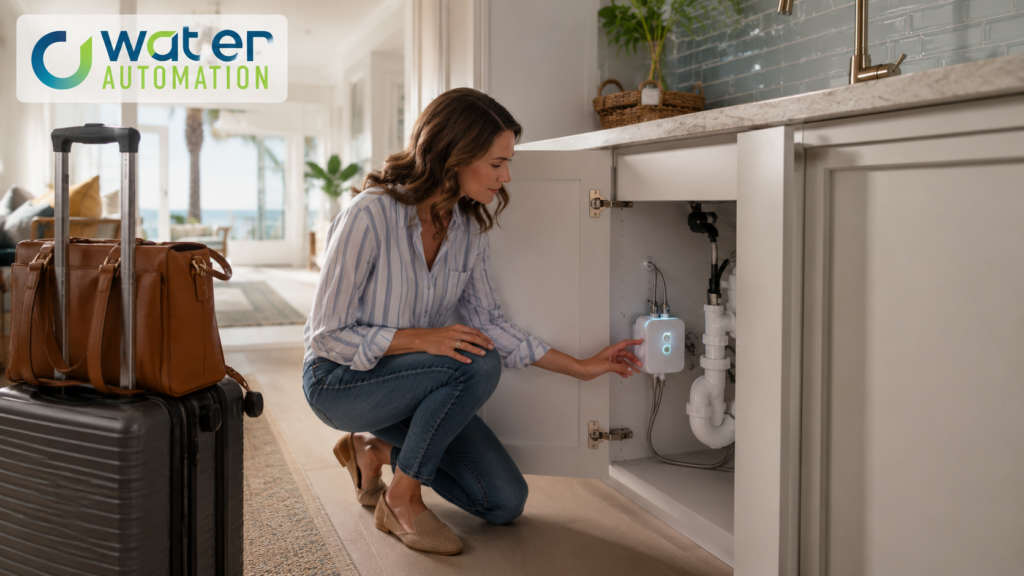
automatic water shutoff for vacation homes works best when the decision begins with observed conditions rather than assumptions. Owners often see a symptom and jump directly to a product, repair
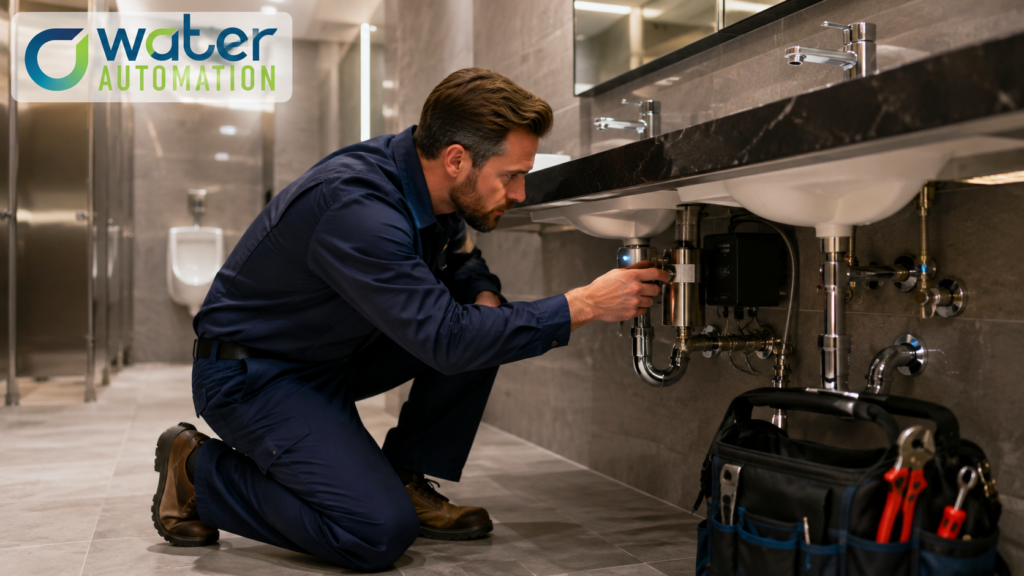
commercial restroom leak detection works best when the decision begins with observed conditions rather than assumptions. Owners often see a symptom and jump directly to a product, repair or proposal.
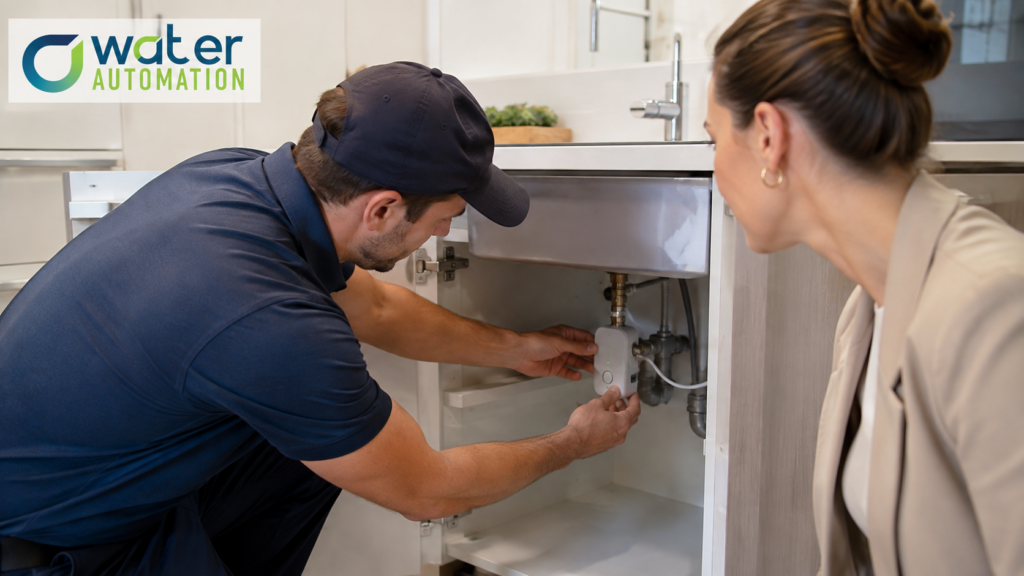
fixture-level leak detection for apartments works best when the decision begins with observed conditions rather than assumptions. Owners often see a symptom and jump directly to a product, repair or
water leak protection for new construction works best when the decision begins with observed conditions rather than assumptions. Owners often see a symptom and jump directly to a product, repair