
Plumbing problems around the house

10 Common Causes of Water Leaks in Homes and How to Stop Them

Water leaks are one of the most common and costly problems homeowners and property managers face. What starts as a slow drip under a sink or a hidden pipe leak behind a wall can quickly become serious water damage involving mold, ruined flooring, damaged drywall, and expensive repairs.

In many cases, leaks go unnoticed until significant damage has already occurred.

The good news is that most household water leaks are preventable. By understanding the most common causes of water leaks and using modern leak detection technology, homeowners can protect their properties before disaster strikes.

In this guide, we’ll cover the 10 most common causes of water leaks in homes and explain how to stop them before they lead to costly repairs.


Why Water Leaks Are a Serious Problem

Even small leaks can waste large amounts of water over time and create hidden structural damage inside walls, floors, and ceilings.

Water damage can lead to:

  • Mold growth
  • Wood rot
  • Electrical hazards
  • Damaged flooring
  • Ceiling collapse
  • High repair costs
  • Insurance claims

For homeowners, prevention is far less expensive than emergency restoration work.

That’s why identifying leak risks early is so important.


1. Overflowing Toilets

Toilet overflows are one of the leading causes of residential water damage.

Clogs, faulty float mechanisms, or continuously running toilets can cause water to spill onto bathroom floors rapidly. If nobody is home to stop the overflow, damage can spread throughout the property.

How to Prevent It

  • Avoid flushing wipes and foreign objects
  • Inspect toilet components regularly
  • Replace worn internal parts
  • Install an automatic leak detection and shut-off system

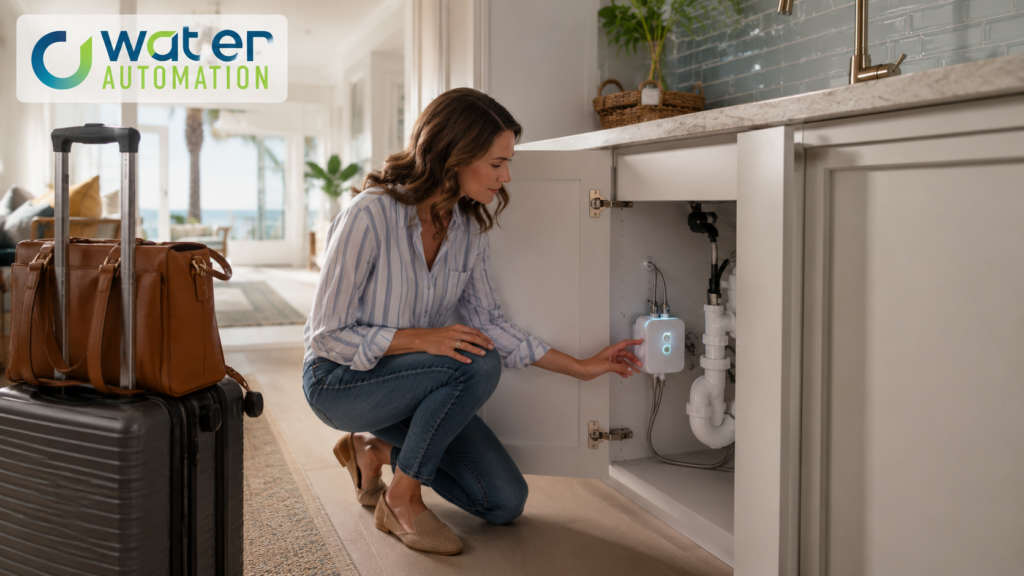
Smart shut-off devices like aquaHALT can automatically stop water flow when a leak or overflow is detected.


2. Leaking Sink Pipes

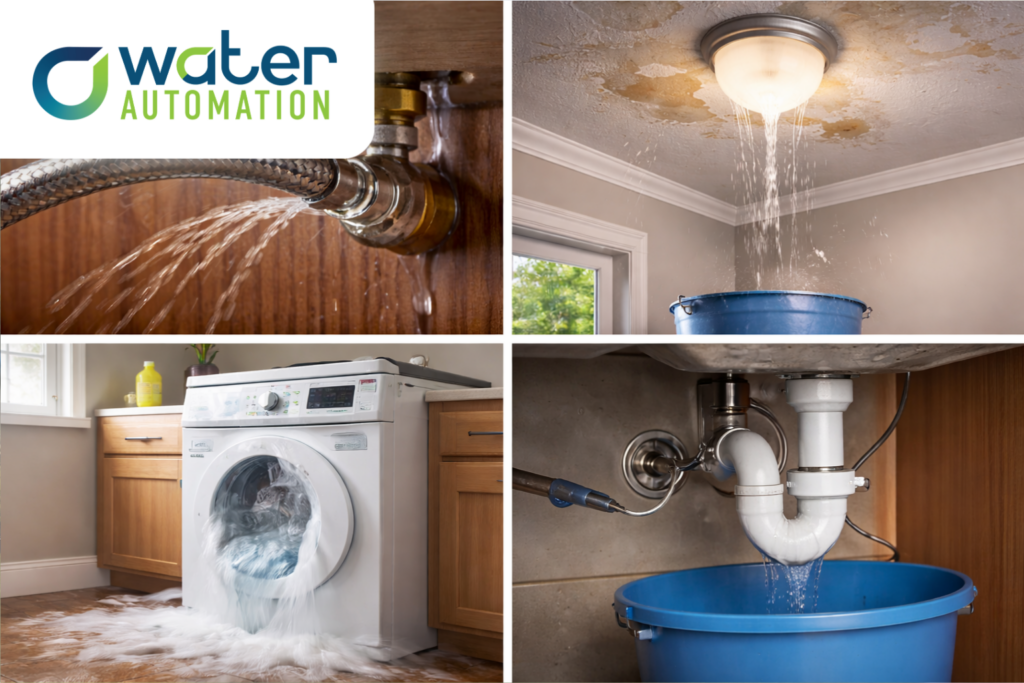
Leaks under kitchen and bathroom sinks are extremely common. Loose fittings, worn seals, or corroded pipes may slowly drip water into cabinets and flooring for weeks before anyone notices.

These hidden leaks often lead to mold and cabinet damage.

How to Prevent It

  • Inspect pipes regularly
  • Tighten loose fittings
  • Replace damaged seals
  • Watch for moisture or musty odors

Early detection is critical because slow leaks are easy to miss.


3. Burst Flexible Supply Hoses

Flexible water supply lines connected to toilets, sinks, and appliances can weaken over time. Older rubber hoses are especially prone to cracking or bursting unexpectedly.

When these hoses fail, water can flood a home within minutes.

How to Prevent It

  • Replace aging supply lines every few years
  • Upgrade to braided stainless-steel hoses
  • Check for bulging or corrosion
  • Install automatic shut-off protection

Preventative replacement is far cheaper than flood restoration.


4. Refrigerator and Ice Maker Leaks

Many homeowners overlook refrigerator water lines. However, damaged or loose ice maker connections are a major source of hidden leaks.

Because refrigerators are rarely moved, leaks behind them can continue unnoticed for long periods.

How to Prevent It

  • Inspect refrigerator water lines periodically
  • Replace brittle tubing
  • Ensure fittings remain secure
  • Monitor for moisture behind appliances

Leak detection systems can provide valuable protection in these hard-to-see areas.


5. Washing Machine Hose Failures

Washing machine hoses experience constant pressure and movement, making them vulnerable to wear and sudden failure.

A burst washing machine hose can release large amounts of water very quickly.

How to Prevent It

  • Replace hoses every 3–5 years
  • Use reinforced braided hoses
  • Avoid over-tightening connections
  • Turn off water supply when away for long periods

Regular maintenance dramatically reduces the risk of sudden hose failures.


6. Water Heater Leaks

Water heaters naturally wear out over time. Corrosion, pressure buildup, or damaged valves can eventually cause leaks around the tank or plumbing connections.

A leaking water heater can damage flooring, walls, and nearby storage areas.

How to Prevent It

  • Flush the tank annually
  • Inspect for rust or corrosion
  • Replace aging water heaters
  • Monitor pressure relief valves

Catching small leaks early helps prevent catastrophic tank failures.


7. Clogged Drains

Blocked drains can force water to back up into sinks, tubs, and toilets. Grease buildup, hair, food debris, and foreign objects commonly contribute to clogs.

When drains overflow, water damage can spread rapidly.

How to Prevent It

  • Avoid pouring grease down drains
  • Use drain strainers
  • Clean drains regularly
  • Address slow drainage immediately

Routine maintenance prevents major plumbing backups.


8. Roof Leaks

Not all water leaks originate from plumbing. Damaged roofing materials, cracked flashing, or clogged gutters can allow rainwater into ceilings and walls.

Roof leaks often remain hidden until visible stains or mold appear.

How to Prevent It

  • Inspect roofs after storms
  • Clean gutters regularly
  • Repair missing shingles promptly
  • Seal flashing around vents and chimneys

Exterior maintenance plays a major role in leak prevention.


9. Faulty Appliance Connections

Dishwashers, water filters, and other water-connected appliances can develop leaks due to worn seals or loose plumbing connections.

These leaks are often hidden behind cabinetry or appliances.

How to Prevent It

  • Inspect appliance connections regularly
  • Replace worn seals
  • Watch for water pooling
  • Address unusual moisture immediately

Small appliance leaks can cause extensive hidden damage over time.


10. Hidden Pipe Corrosion

Older homes may contain aging plumbing systems that slowly corrode internally. Corrosion weakens pipes and eventually causes cracks or pinhole leaks.

Because these leaks often occur behind walls, detection may take months.

How to Prevent It

  • Schedule plumbing inspections
  • Monitor water pressure
  • Watch for unexplained water bills
  • Upgrade aging plumbing systems

Modern leak detection technology can also help identify problems earlier.


Why Automatic Leak Detection Matters

Many water leaks happen when nobody is home. Vacations, work schedules, and overnight leaks allow water to spread for hours before anyone notices.

That’s why automatic leak detection systems are becoming essential for modern homes.

Unlike traditional alarms that only alert homeowners after water is detected, automatic shut-off systems actively stop water flow before major flooding occurs.

Benefits include:

  • 24/7 protection
  • Automatic water shut-off
  • Reduced water damage risk
  • Peace of mind while away
  • Protection for kitchens, bathrooms, and appliances

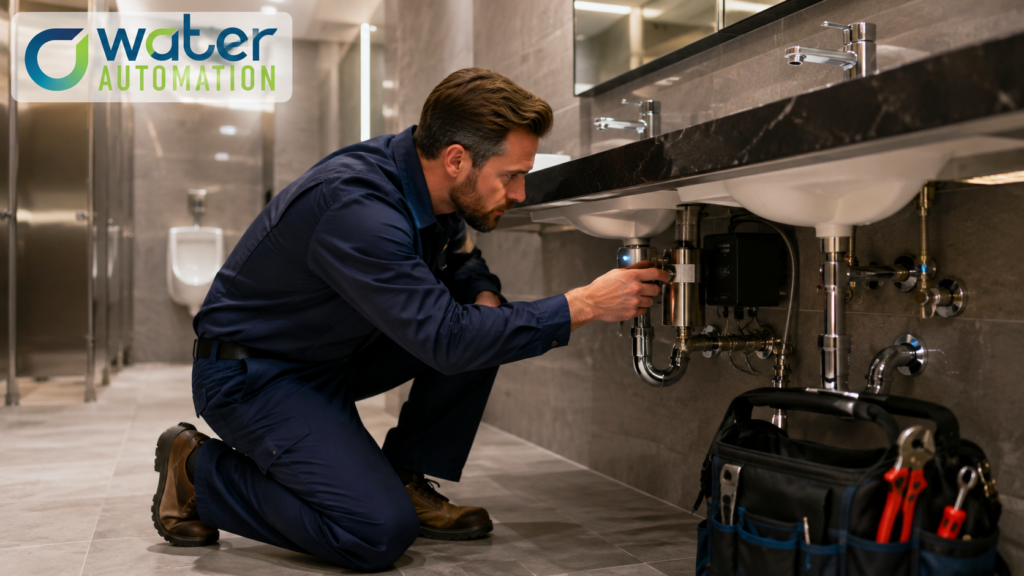
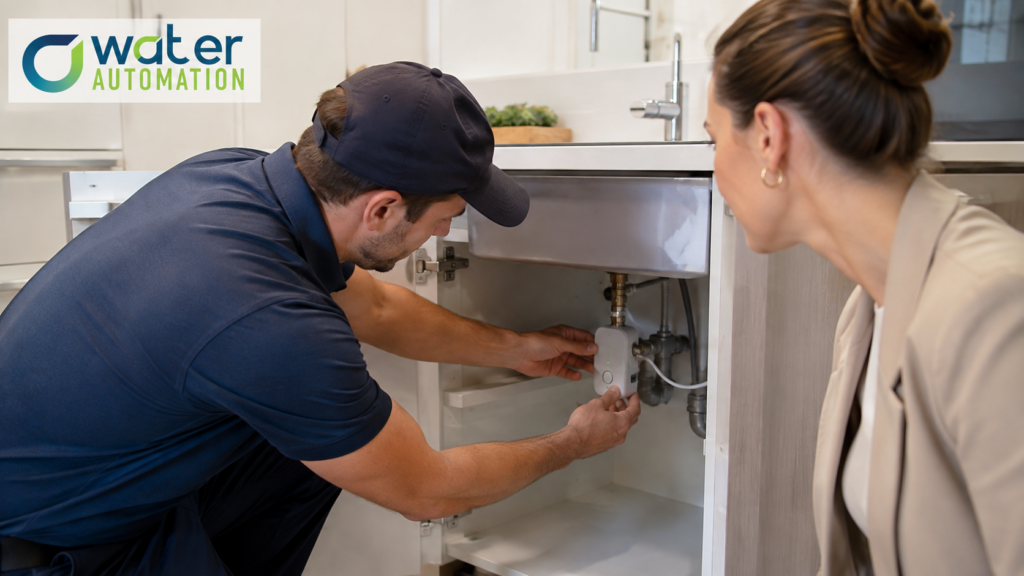
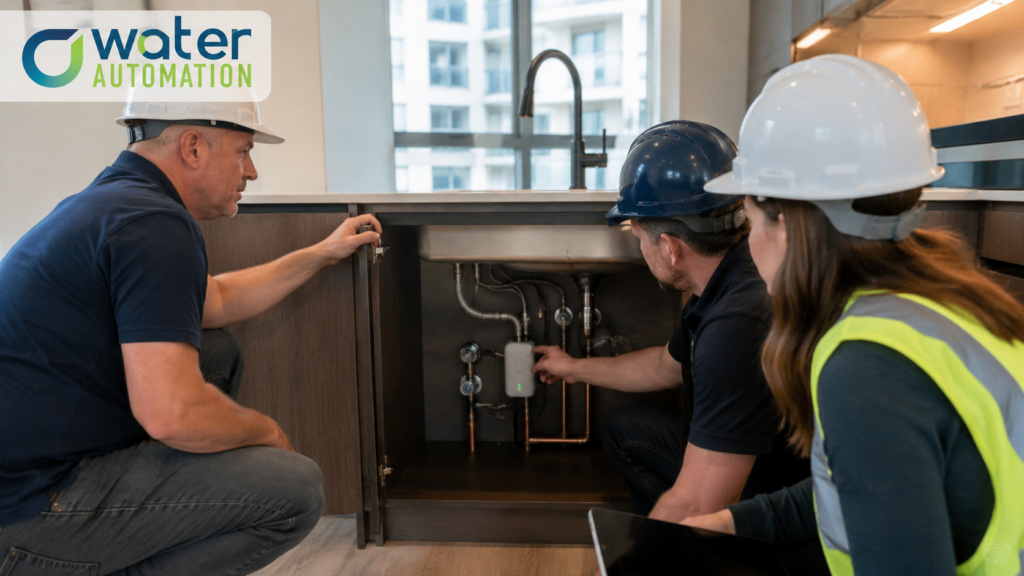
Battery-powered systems like aquaHALT make installation simple without requiring plumbers or electricians.


The Cost of Ignoring Small Leaks

Many homeowners underestimate how expensive small leaks can become.

A minor drip today can eventually lead to:

  • Mold remediation
  • Flooring replacement
  • Drywall repairs
  • Structural damage
  • Insurance deductibles
  • Emergency plumbing costs

Water damage restoration can easily cost thousands of dollars.

Preventative maintenance and leak detection systems help eliminate these risks before serious damage occurs.


Smart Leak Prevention Starts Early

Most water damage doesn’t happen instantly. Small warning signs usually appear first:

  • Dripping sounds
  • Moisture buildup
  • Musty odors
  • Rising water bills
  • Discoloration on walls or ceilings

Acting early is the best way to avoid expensive repairs.

By inspecting plumbing regularly and installing automatic leak shut-off systems, homeowners can protect their properties from preventable water disasters.


Protect Your Home With Smart Leak Detection

Water Automation provides battery-powered leak detection and automatic shut-off solutions designed to stop water damage before it spreads.

The aquaHALT system automatically detects leaks and shuts off water flow at the source, helping homeowners protect bathrooms, kitchens, appliances, and more without complicated installation.

Preventing water damage starts with taking action before leaks become disasters.

See also
An overflowing toilet is one of the most stressful and damaging plumbing emergencies a homeowner can experience. What seems like a small clog or malfunction can quickly turn into flooding that destroys flooring, damages walls, ruins cabinets, and spreads into neighboring rooms or apartments.

In multi-unit buildings, the damage can be even worse, affecting units below and creating costly repairs for property owners and managers.

The biggest problem with toilet overflows is that they often happen unexpectedly — and sometimes when nobody is home.

Fortunately, modern leak detection technology now makes it possible to stop toilet flooding before it becomes a disaster. Automatic shut-off systems provide homeowners and property managers with smarter, faster protection against one of the most common causes of residential water damage.

In this guide, we’ll explain what causes toilet overflows, why they’re so dangerous, and how smart toilet overflow prevention systems can help protect your property 24/7.


Why Toilet Overflows Are So Dangerous

Toilets use a constant water supply connected directly to your plumbing system.

When a toilet clogs or malfunctions, water may continue flowing continuously, causing rapid flooding in bathrooms and surrounding areas.

Even a few minutes of overflow can damage:

  • Bathroom flooring
  • Cabinets
  • Drywall
  • Baseboards
  • Ceilings below
  • Electrical systems

If the leak goes unnoticed overnight or while you’re away from home, the damage can quickly become severe.


Common Causes of Toilet Overflows

Understanding why toilets overflow is the first step toward prevention.

Clogs

The most common cause of toilet overflows is blockage inside the drain line.

Common clog causes include:

  • Excess toilet paper
  • Wipes labeled “flushable”
  • Hygiene products
  • Children’s toys
  • Foreign objects

When the drain becomes blocked, flushing forces water back into the bowl instead of through the plumbing system.


Faulty Float Mechanisms

Inside the toilet tank, the float controls how much water enters after flushing.

If the float malfunctions, the toilet may continue filling continuously, increasing the risk of overflow.


Running Toilets

A running toilet wastes water and may indicate internal component failure.

Over time, constant water flow can contribute to overflow issues and increase utility costs.


Damaged Fill Valves or Flappers

Worn internal components can prevent the toilet from regulating water properly.

A failing fill valve or damaged flapper may allow continuous water flow into the bowl or tank.


Plumbing Blockages

Main sewer line blockages can also cause toilets to back up unexpectedly.

In apartment buildings, plumbing problems in one unit may affect neighboring units as well.


The Real Cost of Toilet Flooding

Many homeowners underestimate how expensive toilet overflow damage can become.

Water spreads rapidly through:

  • Flooring
  • Subfloors
  • Walls
  • Ceilings
  • Adjacent rooms

Cleanup often requires:

  • Water extraction
  • Flooring replacement
  • Mold remediation
  • Drywall repair
  • Professional drying equipment

In severe cases, homeowners may also face:

  • Insurance deductibles
  • Temporary relocation
  • Structural repairs

For apartment buildings and property managers, the costs multiply when multiple units are affected.


Why Traditional Prevention Isn’t Always Enough

Many homeowners rely on:

  • Plungers
  • Routine maintenance
  • Careful flushing habits

While these practices help reduce risk, they don’t prevent unexpected overflows when nobody is present.

The reality is:

  • Toilets can malfunction suddenly
  • Children may accidentally clog toilets
  • Tenants may not report problems immediately
  • Leaks can continue for hours unnoticed

That’s why automatic leak protection is becoming increasingly important.


What Is a Toilet Overflow Prevention System?

A toilet overflow prevention system is designed to detect water leaks near the toilet and automatically stop the water supply before major flooding occurs.

Unlike traditional water alarms that only make noise, automatic shut-off systems actively stop water flow at the source.

This immediate response dramatically reduces the amount of water released during an overflow event.


How Automatic Toilet Shut-Off Systems Work

Modern leak detection systems use moisture sensors placed near the toilet base.

When water is detected:

  1. The sensor activates
  2. The system responds automatically
  3. Water flow to the toilet shuts off
  4. Further flooding is prevented

This protection works even when:

  • Nobody is home
  • Tenants are asleep
  • Apartments are vacant
  • Homeowners are traveling

Automatic shut-off technology helps minimize water damage before it spreads throughout the property.


Why Battery-Powered Leak Detection Is Ideal

Battery-powered toilet leak detection systems are becoming increasingly popular because they offer simple installation without complicated plumbing or electrical work.

Benefits include:

  • No electrician required
  • No plumber required
  • Easy DIY installation
  • Reliable operation during power outages
  • Flexible placement

Battery-powered systems are especially useful for:

  • Apartments
  • Condos
  • Rental properties
  • Vacation homes
  • Multi-unit buildings

Why Property Managers Need Toilet Leak Protection

Toilet overflows are one of the most common maintenance emergencies in apartment buildings.

A single overflowing toilet can affect:

  • Multiple apartments
  • Hallways
  • Shared ceilings
  • Building infrastructure

For property managers, this creates:

  • Emergency maintenance calls
  • Expensive repairs
  • Insurance claims
  • Tenant dissatisfaction

Automatic shut-off systems help reduce these risks significantly by stopping leaks before major flooding occurs.


The Benefits of Smart Toilet Overflow Prevention

Reduced Water Damage

Automatic shut-off systems minimize the amount of water released during an overflow.

This helps protect:

  • Flooring
  • Walls
  • Cabinets
  • Ceilings
  • Adjacent apartments

Lower Repair Costs

Preventing even one major flood can save thousands of dollars in restoration work.


Peace of Mind

Homeowners and tenants gain confidence knowing leaks are monitored 24/7.

This is especially valuable while:

  • Traveling
  • Working
  • Sleeping
  • Managing vacant properties

Easy Installation

Modern systems are designed for fast installation without requiring expensive contractors.


Reliable 24/7 Protection

Leaks don’t follow schedules.

Automatic detection systems continue protecting properties day and night.


Why DIY Leak Detection Is Growing in 2026

Homeowners increasingly want practical leak protection solutions that are:

  • Affordable
  • Easy to install
  • Reliable
  • Low maintenance

Complicated smart-home systems aren’t always necessary.

Battery-powered DIY systems provide strong protection without requiring:

  • Wi-Fi integration
  • Subscription services
  • Electrical wiring
  • Complex setup

This simplicity makes them ideal for modern homeowners and property managers alike.


Why Prevention Is Better Than Cleanup

Once toilet flooding occurs, the cleanup process can be stressful, expensive, and disruptive.

Water damage restoration may involve:

  • Demolition
  • Drying equipment
  • Mold treatment
  • Insurance claims
  • Tenant relocation

Preventing the leak in the first place is always the smarter option.


Protect Your Home From Toilet Flooding

Water Automation offers battery-powered automatic leak detection and shut-off systems designed to stop toilet leaks and overflows before they become costly disasters.

The aquaHALT system automatically detects water near the toilet and shuts off the water supply at the source — helping homeowners and property managers protect bathrooms, apartments, and buildings without complicated installation.

When it comes to toilet flooding, smart prevention is one of the best investments you can make for your property.

Water damage is one of the most expensive and disruptive problems homeowners and property managers can experience. A leaking toilet, burst pipe, overflowing sink, or failed appliance connection can quickly turn into thousands — or even tens of thousands — of dollars in repairs.

The biggest problem with water damage is that it often starts small and goes unnoticed until serious destruction has already occurred.

For apartment owners, landlords, homeowners, and property managers, understanding the true cost of water damage is critical. Preventative protection is almost always cheaper than emergency restoration.

In this guide, we’ll break down how much water damage can cost, the most common causes of residential water damage, and how automatic leak detection systems can help reduce financial risk before disaster strikes.


Why Water Damage Is So Expensive

Water spreads quickly.

A small leak can travel through:

  • Flooring
  • Drywall
  • Insulation
  • Cabinets
  • Ceilings
  • Electrical systems
  • Adjacent apartments or rooms

What starts as a minor plumbing issue can quickly become a large-scale restoration project.

The longer water remains undetected, the more expensive the damage becomes.


Average Water Damage Repair Costs

The cost of water damage depends on several factors:

  • The source of the leak
  • How long the leak continued
  • The size of the affected area
  • Building materials involved
  • Mold growth
  • Structural damage
  • Emergency repair requirements

Even small leaks can result in surprisingly high expenses.

Common Water Damage Costs

Minor Leak Repairs

Small plumbing leaks may cost:

  • Pipe repairs
  • Cabinet drying
  • Minor flooring replacement

Even “small” incidents can quickly exceed a homeowner’s expectations.


Flooring Replacement

Water-damaged flooring often requires:

  • Carpet removal
  • Laminate replacement
  • Hardwood restoration
  • Subfloor drying

If water seeps underneath flooring materials, the entire section may need replacement.


Drywall and Ceiling Repairs

Leaks from upstairs units or hidden plumbing often damage:

  • Walls
  • Ceilings
  • Paint
  • Insulation

Water-soaked drywall usually needs to be removed and replaced to prevent mold growth.


Mold Remediation

One of the most expensive consequences of water damage is mold.

Mold can begin developing within 24–48 hours after moisture exposure.

Professional mold remediation may involve:

  • Drywall removal
  • Air filtration
  • Deep cleaning
  • Structural drying

This adds significant costs to any water damage incident.


Emergency Plumbing Services

Leaks rarely happen during convenient hours.

Emergency plumbing calls often come with:

  • After-hours labor fees
  • Urgent repairs
  • Immediate water extraction
  • Temporary relocation costs

For property managers, emergency response expenses can escalate rapidly.


The Hidden Costs of Water Damage

Many people focus only on visible repair costs.

However, water damage also creates hidden financial consequences.

These may include:

  • Insurance deductibles
  • Increased insurance premiums
  • Lost rental income
  • Tenant relocation
  • Property downtime
  • Reduced property value
  • Long-term structural damage

In apartment buildings, one leak can affect multiple units at the same time.


Common Causes of Costly Water Damage

Overflowing Toilets

Toilet overflows are one of the leading causes of residential flooding.

A clogged toilet left unattended overnight can release large amounts of water throughout a bathroom and neighboring rooms.

In apartments, overflow damage often spreads to units below.


Burst Supply Lines

Flexible water supply hoses connected to sinks, toilets, and appliances weaken over time.

When these hoses burst, water can flood an area within minutes.


Refrigerator and Ice Maker Leaks

Small leaks behind refrigerators often go unnoticed because appliances are rarely moved.

Over time, hidden moisture damages flooring and walls.


Appliance Failures

Dishwashers, washing machines, and water heaters can all leak unexpectedly due to worn components or plumbing failures.


Hidden Pipe Leaks

Leaks inside walls are particularly dangerous because they may continue for weeks before becoming visible.

By the time stains or odors appear, serious structural damage may already exist.


Why Apartment Buildings Face Higher Water Damage Risks

Multi-unit buildings are especially vulnerable because water travels easily between apartments.

A leak in one unit can damage:

  • Ceilings below
  • Shared walls
  • Hallways
  • Electrical systems
  • Neighboring apartments

For property managers, this creates:

  • Larger repair projects
  • Multiple tenant complaints
  • Increased liability
  • Higher insurance exposure

Prevention becomes far more important in apartment environments.


Why Prevention Costs Less Than Repairs

One of the biggest misconceptions about leak protection is that it’s an unnecessary expense.

In reality, preventative protection is far more affordable than restoration work.

Preventative measures may include:

  • Routine plumbing inspections
  • Replacing aging supply lines
  • Monitoring high-risk areas
  • Installing automatic leak detection systems

Even preventing a single flood can save thousands of dollars.


How Automatic Leak Detection Helps Reduce Costs

Modern leak detection systems provide proactive protection by identifying leaks early and automatically stopping water flow before flooding spreads.

Unlike traditional alarms that only make noise, automatic shut-off systems actively prevent damage.

Benefits include:

  • Reduced repair costs
  • Lower risk of catastrophic flooding
  • Protection while away from home
  • Faster leak response
  • Improved property protection

This is especially valuable for:

  • Apartments
  • Vacation homes
  • Rental properties
  • Commercial buildings
  • Multi-unit complexes

Why Battery-Powered Leak Detection Is Growing in Popularity

Battery-operated leak detection systems are becoming increasingly popular because they are:

  • Easy to install
  • Affordable
  • Reliable
  • Flexible
  • Independent from building wiring

Homeowners and property managers appreciate solutions that do not require:

  • Electricians
  • Plumbers
  • Complex smart-home setup

Devices like aquaHALT provide simple, automatic protection without expensive installation costs.


Insurance and Water Damage Prevention

Insurance companies understand how expensive water damage claims can become.

Preventative leak detection systems may help:

  • Reduce claim frequency
  • Minimize damage severity
  • Demonstrate responsible property maintenance

Some insurance providers may even offer incentives or discounts for proactive leak prevention technology.


Water Damage Can Happen at Any Time

One of the biggest dangers of water leaks is timing.

Leaks often occur:

  • Overnight
  • During vacations
  • While homeowners are at work
  • In vacant apartments

Without automatic protection, water may continue flowing for hours before anyone notices.

That’s why early detection and automatic shut-off systems are becoming essential tools for modern property protection.


Protecting Your Property Starts With Prevention

Water damage restoration is expensive, disruptive, and stressful.

The best strategy is preventing leaks before they become emergencies.

By combining:

  • Routine inspections
  • Plumbing maintenance
  • Supply line replacement
  • Automatic leak detection systems

homeowners and property managers can dramatically reduce the financial risk of water damage.


Protect Your Home or Building With Smart Leak Detection

Water Automation provides battery-powered leak detection and automatic shut-off systems designed to help homeowners and property managers prevent costly water damage before it spreads.

The aquaHALT system automatically detects leaks and shuts off water flow at the source, helping protect bathrooms, kitchens, appliances, apartments, and commercial buildings without complicated installation.

When it comes to water damage, prevention is almost always less expensive than repairs.

Water damage is one of the biggest financial and operational risks property managers face. A single leaking toilet, burst supply line, or failed appliance connection can quickly turn into a costly emergency affecting multiple units, tenants, and entire sections of a building.

For apartment complexes and multi-unit properties, even a small leak can create major repair costs, insurance claims, tenant dissatisfaction, and long-term structural damage.

That’s why more property managers are investing in water leak detection systems as part of their preventative maintenance strategy.

Modern leak detection technology helps stop water damage before it spreads, reducing risk, protecting tenants, and saving property owners thousands in repairs.

In this guide, we’ll explain why every property manager needs a water leak detection system, how these systems work, and why proactive leak prevention is becoming essential for apartment buildings and commercial properties.


The Growing Cost of Water Damage in Apartment Buildings

Water damage is one of the most expensive maintenance issues in property management.

Leaks can affect:

  • Flooring
  • Drywall
  • Electrical systems
  • Ceilings
  • Insulation
  • Cabinets
  • Tenant belongings

In multi-unit buildings, water often spreads far beyond the original source. A leak in one apartment can damage neighboring units above, below, or beside it within hours.

Common consequences include:

  • Emergency plumbing repairs
  • Mold remediation
  • Insurance claims
  • Tenant relocation costs
  • Property downtime
  • Negative tenant experiences

For property managers, these issues can quickly escalate into serious financial and operational problems.


Why Traditional Leak Prevention Is No Longer Enough

Many property managers still rely primarily on:

  • Routine inspections
  • Tenant reporting
  • Manual shut-off valves
  • Reactive maintenance

While these methods are important, they don’t fully protect against unexpected leaks that occur when nobody is present.

The reality is:

  • Tenants may not notice leaks immediately
  • Overflowing toilets can continue running for hours
  • Appliance hoses can burst suddenly
  • Vacant units may sit unnoticed for days

By the time maintenance teams respond, the damage may already be severe.

That’s where automatic water leak detection systems make a major difference.


What Is a Water Leak Detection System?

A water leak detection system is designed to identify leaks quickly and automatically respond before major flooding occurs.

Modern systems can:

  • Detect water near toilets, sinks, and appliances
  • Trigger alerts
  • Automatically shut off water flow
  • Prevent leaks from spreading

Unlike basic water alarms that only make noise, advanced shut-off systems actively stop the water supply at the source.

This immediate response significantly reduces water damage risk.


Common Leak Risks Property Managers Face

Overflowing Toilets

Toilet overflows are one of the most common causes of apartment flooding. A clogged toilet left unattended overnight can release gallons of water throughout a unit.

Automatic shut-off systems help stop the water flow before widespread damage occurs.


Appliance Leaks

Dishwashers, refrigerators, and washing machines are all common leak sources in apartments.

Refrigerator ice maker lines are especially dangerous because leaks behind appliances often go unnoticed.


Sink and Pipe Leaks

Leaks under bathroom and kitchen sinks can slowly damage cabinets, flooring, and walls over time.

Because these leaks are hidden, tenants may not report them until significant damage has already occurred.


Burst Flexible Supply Lines

Flexible water hoses connected to toilets and appliances weaken with age and can fail suddenly.

When these hoses burst, apartments can flood within minutes.


The Benefits of Leak Detection Systems for Property Managers

Reduced Repair Costs

Preventing water damage is far less expensive than repairing it.

Leak detection systems help property managers avoid:

  • Flooring replacement
  • Mold removal
  • Ceiling repairs
  • Emergency maintenance calls
  • Structural restoration

A single prevented flood can save thousands of dollars.


Lower Insurance Risk

Water damage claims are expensive for insurance providers and property owners alike.

Installing leak detection systems may help:

  • Reduce claim frequency
  • Minimize damage severity
  • Demonstrate proactive property maintenance

Some insurance providers may even offer incentives for water damage prevention measures.


Improved Tenant Satisfaction

Tenants expect safe and well-maintained living environments.

Water leaks can create:

  • Disruption
  • Property damage
  • Mold concerns
  • Stress and inconvenience

Preventative leak protection helps property managers provide greater peace of mind and improve tenant trust.

Satisfied tenants are also more likely to renew leases and leave positive reviews.


Protection for Vacant Units

Vacant apartments are especially vulnerable to hidden leaks because nobody is present to notice problems quickly.

A small leak in an empty unit can continue for days or weeks before being discovered.

Automatic leak shut-off systems help protect vacant apartments 24/7 without relying on manual monitoring.


Easier Maintenance Management

Emergency maintenance calls are expensive, stressful, and disruptive.

Leak detection systems help property managers shift from reactive maintenance to preventative maintenance.

This reduces:

  • After-hours emergencies
  • Unexpected repairs
  • Operational interruptions

Preventative technology allows maintenance teams to focus on planned upkeep rather than water disaster response.


Why Battery-Powered Leak Detection Is Ideal for Apartments

Many older leak detection systems require:

  • Professional installation
  • Electrical wiring
  • Smart-home integration
  • Complex setup

Battery-powered systems offer a much simpler solution for apartment buildings.

Benefits include:

  • No electrician required
  • No plumber required
  • Easy installation
  • Flexible placement
  • Fast deployment across multiple units

This makes battery-operated systems ideal for property managers overseeing large apartment complexes.


How Automatic Shut-Off Technology Works

Automatic leak shut-off systems are designed to respond immediately when water is detected.

When a leak occurs:

  1. The sensor detects moisture
  2. The system activates automatically
  3. Water flow is shut off at the source
  4. Damage is minimized before flooding spreads

This proactive approach provides much stronger protection than alarms alone.


Why Property Managers Are Investing in Leak Prevention in 2026

As repair costs and insurance premiums continue rising, property managers are placing greater focus on preventative maintenance technologies.

Leak detection systems are becoming increasingly popular because they:

  • Reduce operational risk
  • Protect building infrastructure
  • Lower long-term maintenance costs
  • Improve tenant retention
  • Prevent catastrophic flooding events

In competitive rental markets, preventative protection also demonstrates a commitment to property quality and tenant care.


Why aquaHALT Is a Smart Solution for Property Managers

aquaHALT is designed specifically to provide practical, affordable leak protection for apartments and commercial properties.

The system offers:

  • Battery-powered operation
  • Automatic water shut-off
  • DIY-friendly installation
  • Protection for toilets, sinks, and ice makers
  • Reliable 24/7 monitoring

Because aquaHALT requires no complicated wiring or professional installation, property managers can deploy leak protection efficiently across multiple units.

Its compact design and automatic response make it an effective solution for both residential and commercial properties.


Prevention Is Better Than Emergency Repairs

Water damage rarely happens at a convenient time.

Leaks can occur:

  • Overnight
  • During vacations
  • In vacant units
  • While tenants are away at work

Without automatic protection, even small leaks can escalate rapidly.

That’s why preventative leak detection is no longer optional for many apartment buildings — it’s becoming an essential part of responsible property management.


Protect Your Properties With Smart Leak Detection

Water Automation provides battery-powered leak detection and automatic shut-off systems designed to help property managers prevent costly water damage before it spreads.

The aquaHALT system automatically detects leaks and shuts off water flow at the source, helping protect apartments, tenants, and building infrastructure without complicated installation or wiring.

For property managers looking to reduce maintenance costs, improve tenant satisfaction, and prevent expensive water damage, proactive leak protection is one of the smartest investments you can make.

Water damage remains one of the most expensive problems facing apartment owners and property managers today. A leaking toilet, burst supply line, or failed refrigerator connection can quickly lead to flooded units, mold growth, damaged ceilings, insurance claims, and unhappy tenants.

In many apartment buildings, a single leak doesn’t just affect one unit — it can impact multiple floors and neighboring apartments within minutes.

That’s why more property owners are investing in automatic water shut-off valves as a smarter way to prevent water damage before it spreads.

In this guide, we’ll explain what an automatic water shut-off valve is, how it works, why apartment buildings need one, and what features to look for when choosing the best leak detection solution in 2026.


What Is an Automatic Water Shut-Off Valve?

An automatic water shut-off valve is a device designed to detect leaks and stop water flow immediately before major flooding occurs.

Unlike traditional leak alarms that simply make noise after detecting water, automatic shut-off systems actively prevent damage by turning off the water supply at the source.

These systems are commonly installed:

  • Behind toilets
  • Under sinks
  • Near ice makers
  • Around washing machines
  • In kitchens and bathrooms

Modern solutions like aquaHALT combine leak detection sensors with an integrated shut-off mechanism that reacts automatically when water is detected.

This proactive protection is especially important in apartment buildings where leaks can spread rapidly between units.


Why Apartment Buildings Need Automatic Leak Protection

Apartment buildings face unique risks when it comes to water damage.

Because plumbing systems are connected across multiple units, a leak in one apartment can quickly affect neighboring residents, hallways, ceilings, and electrical systems.

For property managers, this creates serious challenges:

  • Emergency maintenance costs
  • Insurance claims
  • Tenant complaints
  • Property damage
  • Mold remediation
  • Business interruptions

A small leak left undetected overnight can easily turn into tens of thousands of dollars in repairs.

Automatic shut-off valves reduce this risk dramatically by stopping leaks before they escalate.


Common Water Leak Risks in Apartment Buildings

Overflowing Toilets

Toilet overflows are one of the leading causes of apartment flooding. If a toilet clogs while a tenant is asleep or away from home, water can continue flowing for hours.

An automatic shut-off valve can immediately stop the water supply once a leak is detected.


Sink and Pipe Leaks

Kitchen and bathroom sink leaks often develop slowly over time. Loose fittings, corrosion, or cracked pipes may allow water to seep into cabinets and flooring unnoticed.

Leak detection systems help catch these problems early.


Ice Maker and Refrigerator Leaks

Refrigerator water lines are surprisingly vulnerable to leaks. Since refrigerators are rarely moved, damage behind them often goes unnoticed until major repairs are required.

Automatic leak detection adds critical protection in these hidden areas.


Burst Flexible Hoses

Flexible water supply lines connected to toilets and appliances can wear out and burst unexpectedly.

When this happens, large volumes of water can flood apartments within minutes.


What Makes the Best Automatic Water Shut-Off Valve?

Not all leak detection systems are built the same. Apartment owners and property managers should look for solutions that are reliable, simple to install, and designed for real-world water damage prevention.

Here are the most important features to consider in 2026.


Automatic Water Shut-Off Capability

The most important feature is automatic response.

Some systems only send alerts to your phone or sound an alarm. While notifications are useful, they still rely on someone being available to manually shut off the water.

The best systems stop the water flow automatically the moment a leak is detected.

This minimizes damage immediately — even when nobody is home.


Battery-Powered Operation

Battery-powered leak detection systems are ideal for apartment buildings because they:

  • Require no electrician
  • Avoid complicated wiring
  • Continue working during power outages
  • Install quickly
  • Reduce installation costs

Devices powered by standard AA batteries are especially convenient because they can operate independently without relying on the building’s electrical infrastructure.


Easy DIY Installation

Many traditional leak detection systems require professional installation, expensive plumbing modifications, or smart-home integration.

The best apartment-friendly systems are designed for simple installation without specialized tools.

DIY-friendly installation saves:

  • Time
  • Labor costs
  • Maintenance expenses

This is particularly valuable for property managers handling multiple units.


Multi-Location Protection

Apartment leaks can happen in different areas throughout a unit.

A strong leak detection solution should work effectively for:

  • Toilets
  • Bathroom sinks
  • Kitchen sinks
  • Ice makers
  • Laundry appliances

Versatility allows property managers to scale protection throughout an entire building.


Reliable 24/7 Protection

Water leaks don’t follow schedules.

The best automatic shut-off systems provide continuous protection whether tenants are:

  • Sleeping
  • Traveling
  • Working
  • Away for vacation

Reliable around-the-clock protection gives both tenants and property owners peace of mind.


Why Battery-Powered Leak Detection Is Growing in 2026

In 2026, more apartment owners are choosing battery-operated water leak systems over complicated smart-home alternatives.

Why?

Because simplicity matters.

Many property managers don’t want:

  • Complex Wi-Fi setup
  • Subscription fees
  • Extensive wiring
  • Smart-home compatibility issues

They want:

  • Fast installation
  • Reliable operation
  • Affordable scaling
  • Automatic protection

Battery-powered systems like aquaHALT deliver exactly that.


The Financial Benefits of Leak Detection Systems

Some property owners hesitate to invest in preventative leak protection because they focus only on upfront costs.

However, the cost of water damage is often far greater than prevention.

A single apartment flood can lead to:

  • Flooring replacement
  • Drywall repairs
  • Mold removal
  • Plumbing emergencies
  • Insurance deductibles
  • Tenant relocation expenses

In multi-unit buildings, damage costs multiply quickly.

Automatic water shut-off systems help reduce these long-term financial risks significantly.


Leak Detection and Insurance Benefits

Insurance companies increasingly recognize the value of preventative leak protection.

Installing automatic shut-off devices may help:

  • Reduce insurance claims
  • Minimize water damage severity
  • Improve property protection
  • Demonstrate proactive maintenance

Some insurance providers may even offer premium incentives for water damage prevention systems.

For apartment buildings, this adds another layer of financial value.


Why aquaHALT Stands Out for Apartment Buildings

aquaHALT is designed specifically for practical, everyday water leak protection.

Unlike overly complicated smart-home systems, aquaHALT focuses on what matters most:

  • Detecting leaks quickly
  • Automatically stopping water flow
  • Easy installation
  • Battery-powered operation
  • Reliable protection

Its compact design makes it ideal for:

  • Apartments
  • Condos
  • Rental units
  • Property management companies
  • Multi-unit buildings

Because the system operates without electricians or plumbers, property owners can deploy protection across multiple units efficiently and affordably.


Prevent Water Damage Before It Starts

Water damage can happen without warning, and by the time you notice a leak, the repairs may already be expensive.

That’s why prevention is smarter than emergency response.

Automatic water shut-off valves provide apartment owners and property managers with a simple way to protect their properties from costly water disasters.

Instead of relying on luck or manual intervention, modern leak detection systems stop water damage before it spreads.


Protect Your Apartment Building With Smart Leak Detection

Water Automation offers battery-powered automatic water shut-off solutions designed to protect apartments, homes, and commercial properties from costly leaks.

The aquaHALT system helps detect leaks and automatically stop water flow at the source — providing reliable protection without complicated installation or wiring.

Whether you manage a single apartment or an entire building, proactive leak prevention is one of the smartest investments you can make in 2026.