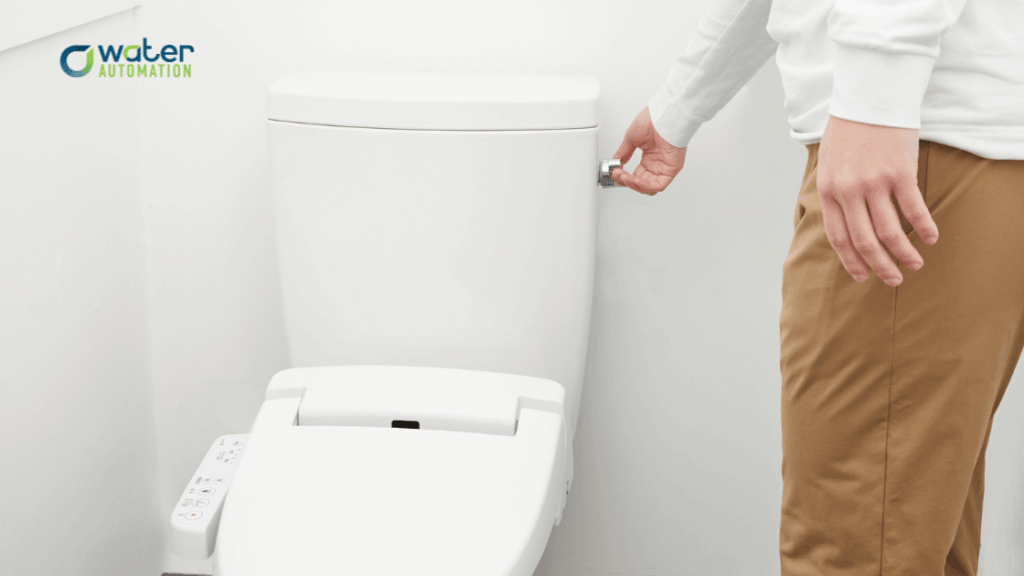
How much water a toilet uses per flush depends mostly on its age and design, and older toilets use a lot more than newer ones. That’s worth knowing if you own a home, manage a building or just want to waste less water. Toilets account for a significant share of the water used indoors, and small differences in flush volume can make a big difference over time.
How Much Water Does a Toilet Use?
Toilets installed before the 1990s often use between 3.5 and 7 gallons per flush. Modern toilets are designed to meet federal efficiency standards and typically use 1.6 gallons per flush or less.
People who ask how much water a toilet uses are often surprised by how much more the older ones take than newer models.
Federal Efficiency Standards
In the United States, toilets made after 1994 have to meet federal rules that limit a flush to 1.6 gallons. High-efficiency toilets go further and use as little as 1.28 gallons per flush without losing performance.
The point of the standards is to cut overall water demand and ease the strain on water treatment systems.
Commercial vs. Residential Toilets
Commercial toilets are built to last and to be used all day. Many have pressure-assisted systems that flush quickly but may still use more water per flush than a toilet in a home.
In a busy building, knowing how much water each flush uses matters a lot. A small inefficiency multiplies fast when a toilet is used hundreds of times a day.
How Much Water Is Used When Flushing a Toilet?
It adds up quickly. A household of four, each person flushing five times a day, can easily go past 30 gallons a day on flushing alone. Over a month, that can total hundreds of gallons.
So two things decide how much water your toilets use: how much each flush takes, and how often you flush.
Why Flush Volume Matters for Leak Detection
Higher flush volumes make leaks harder to spot. A leaking flapper or valve may blend into normal use and hide the water you’re losing. Keeping track of how much water your toilets use helps you notice when something’s off before the waste gets out of hand.
Reducing Water Waste with Monitoring
Water monitoring systems can track how much water does a toilet use per flush and flag irregular usage. This data-driven approach helps property owners identify inefficiencies, aging fixtures, and hidden leaks early.
Lower flush volumes plus monitoring save money over the long run and help you use water sustainably.