
Beyond the Bill: The Environmental Impact of Water Waste in Commercial Properties
While the financial cost of water waste—inflated utility bills and damage repair—is
immediate and tangible, the environmental toll is often overlooked. For commercial
properties, every gallon of wasted water represents a significant drain on local resources and
contributes to a larger carbon footprint. Adopting a strategy for commercial water
conservation is therefore a dual imperative: it is essential for financial health and a non-
negotiable component of corporate sustainability initiatives.
The Hidden Environmental Footprint of Water Waste
Water waste in a commercial building is not just about the water itself; it is about the energy
and resources required to treat, pump, heat, and deliver that water.
The Incident: At 2:00 AM on a Tuesday, a supply line to a washing machine in a 25th-floor
unit failed catastrophically. Under normal circumstances, this failure would have resulted in a
continuous flow of high-pressure water, flooding the unit and cascading down through the
walls and ceilings of the 24 units below it.
- Energy Consumption
Water is an energy-intensive resource. Significant amounts of electricity are used for:
- Pumping: Moving water from the source to the building and throughout the property.
- Heating: Heating water for domestic use and HVAC systems.
- Treatment: Treating wastewater before it is returned to the environment.
When water is wasted through leaks or inefficient systems, the energy used to process and
deliver that water is also wasted, directly increasing the building’s carbon footprint.
2. Strain on Local Water Resources
In many regions, water scarcity is a growing concern. Commercial properties that waste
water place an unnecessary strain on local reservoirs, aquifers, and municipal water supplies.
This impacts the community and the environment, particularly during periods of drought or
high demand.
3. Wastewater Treatment Burden
Every gallon of water that enters a building must eventually be treated as wastewater.
Excessive water use from leaks or inefficient systems overloads municipal wastewater
treatment plants, requiring more chemicals, energy, and infrastructure capacity to process.
Strategic Water Conservation with Automation
Automated water systems are the most effective tool for addressing the environmental
impact of water waste by providing the data and control necessary for true conservation.
| Automation Feature | Environmental Benefit |
|---|---|
| Real-Time Leak Detection | Instantly stops the continuous waste of water and the associated energy used for pumping and treatment. |
| Granular Data Analysis | Identifies specific areas of inefficiency (e.g., cooling towers, irrigation) for targeted optimization, reducing overall consumption. |
| Automated Shut-Off | Prevents catastrophic waste events, which can rapidly deplete local water reserves and overload sewage systems. |
| Predictive Maintenance | Ensures water-using equipment operates at peak efficiency, minimizing energy and water consumption over the long term. |
Conclusion
The decision to implement automated water conservation strategies extends far beyond
the water bill. It is a commitment to reducing energy consumption, preserving local water
resources, and minimizing the environmental footprint of the commercial property. By
leveraging the power of automation, facility managers can transform their buildings into
models of efficiency, aligning financial success with environmental stewardship.
Learn how waterAUTOMATION can help your commercial property achieve its
environmental impact reduction and sustainability goals.
See also
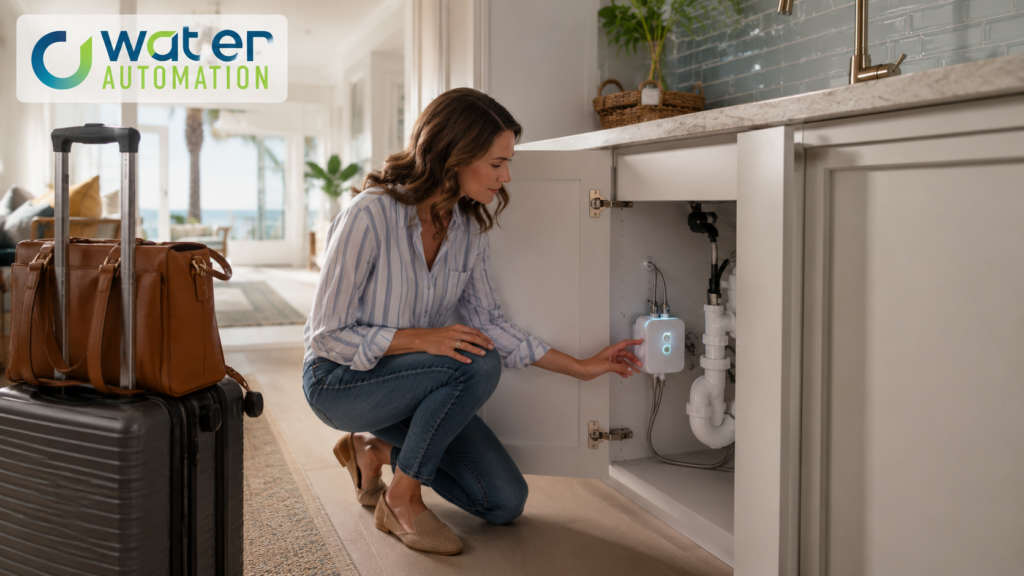
automatic water shutoff for vacation homes works best when the decision begins with observed conditions rather than assumptions. Owners often see a symptom and jump directly to a product, repair
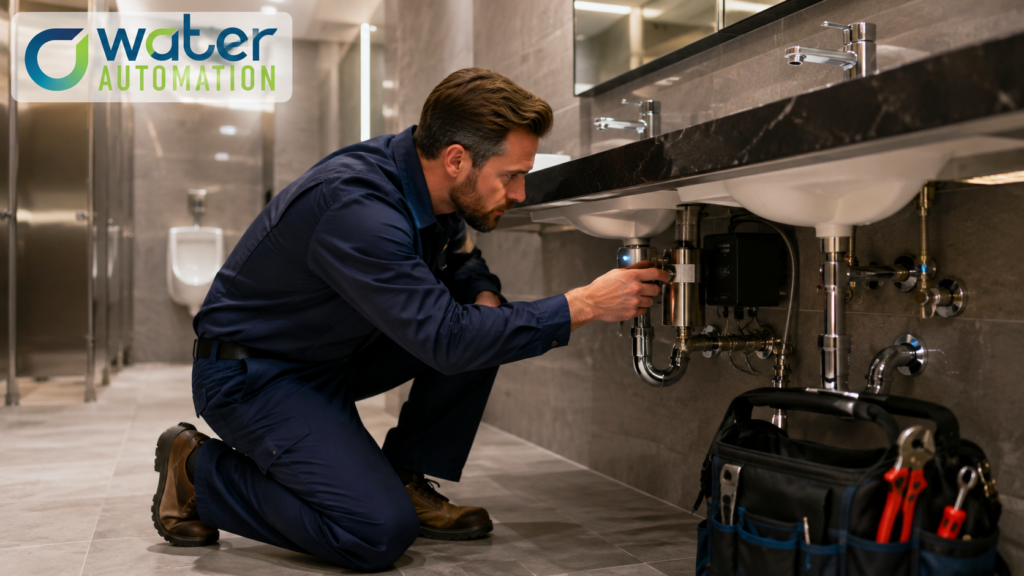
commercial restroom leak detection works best when the decision begins with observed conditions rather than assumptions. Owners often see a symptom and jump directly to a product, repair or proposal.
fixture-level leak detection for apartments works best when the decision begins with observed conditions rather than assumptions. Owners often see a symptom and jump directly to a product, repair or
water leak protection for new construction works best when the decision begins with observed conditions rather than assumptions. Owners often see a symptom and jump directly to a product, repair