Blog

Toilets are one of the largest contributors to indoor water use, yet many people underestimate their long-term impact. Understanding how much water a toilet uses on a daily, monthly, and yearly basis helps homeowners and property managers identify waste and improve efficiency.

How Much Water Does a Toilet Use Per Day?

The amount of water a toilet uses daily depends on two factors: flush volume and frequency. A modern toilet typically uses 1.28-1.6 gallons per flush, while older models may use 3.5 gallons or more.

In an average household, each person flushes 4-5 times per day. This means a single toilet can use anywhere from 20 to 35 gallons per day, depending on efficiency and usage habits.

When people ask how much water the toilet uses, they often overlook how quickly small amounts add up.

Monthly and Yearly Toilet Water Usage

Over a month, toilet water usage becomes more significant:

  • 600-1,000 gallons per month for efficient toilets
  • 2,000+ gallons per month for older fixtures

Annually, this can exceed 10,000 gallons per toilet. In larger households or commercial settings, usage increases dramatically.

Tracking how many gallons does a toilet use over time helps identify opportunities to reduce waste.

Commercial Restroom Usage Patterns

In commercial buildings, toilet usage is far higher. Office buildings, retail spaces, and restaurants experience constant restroom traffic throughout the day.

Even small inefficiencies in water used flushing toilet systems can result in thousands of gallons wasted annually across multiple restrooms.

High-Traffic Buildings and Water Impact

Facilities with high occupancy should pay special attention to how much water is used when flushing a toilet. Frequent flushing magnifies inefficiencies, making early detection of leaks and excessive usage critical.

Conservation vs. Detection

Low-flow toilets help reduce water use, but conservation alone isn’t enough. Leaks and malfunctioning components can negate efficiency gains entirely.

Monitoring systems provide insight into how much water is used when flushing the toilet, helping identify abnormal usage patterns.

How Monitoring Identifies Abnormal Use

Water monitoring tools analyze flow data to detect continuous or irregular usage. This allows property owners to spot problems early, reduce waste, and control costs.

Understanding toilet water usage is the first step toward long-term efficiency and sustainability.

A toilet that makes noise without being used can be confusing and frustrating. Many people ask why is my toilet making noise when not in use, especially when the sound comes and goes without explanation. These noises are often the result of internal leaks or pressure-related issues.

Phantom Flushing Explained

Phantom flushing occurs when water slowly leaks from the tank into the bowl, causing the fill valve to activate periodically. This creates the sound of running water even though no one has flushed the toilet.

If you hear water moving unexpectedly, it’s a strong indicator that water is being wasted.

Common Mechanical Causes

Several components can cause a toilet to make noise:

  • Worn flappers that allow water to seep into the bowl
  • Faulty fill valves that fail to shut off completely
  • High pressure causing valves to chatter

These issues lead to toilet noises running water scenarios that are easy to overlook.

Water Is Running in Toilet — Even When It Shouldn’t Be

When water is running in toilet systems unnoticed, the problem often goes unresolved for months. The tank refills just enough to maintain the water level, masking the issue until a bill spike or audible noise draws attention.

When to Repair vs. Monitor

If noise is constant or worsening, repairs are necessary. However, intermittent sounds may benefit from monitoring to determine frequency and severity.

Understanding how often water running in toilet tank events occur helps property owners decide whether immediate repair is needed.

Smart Leak Detection Benefits

Smart monitoring systems detect continuous or repetitive water flow that signals leaks. These systems provide alerts when abnormal usage patterns appear, allowing issues to be addressed before significant waste occurs.

Why Ignoring Toilet Noise Is Risky

Ignoring unusual toilet sounds can lead to higher water costs, premature equipment failure, and hidden damage. Early awareness and action prevent long-term issues.

Identifying the cause of toilet noise ensures your plumbing operates efficiently and quietly.

Understanding how much water a toilet uses per flush is essential for homeowners, facility managers, and anyone trying to reduce water waste. Toilets account for a significant portion of indoor water consumption, and small differences in flush volume can have a major impact over time.

The amount of water used per flush depends largely on the toilet’s age and design. Older toilets installed before the 1990s often use between 3.5 and 7 gallons per flush. In contrast, modern toilets are designed to meet federal efficiency standards and typically use 1.6 gallons per flush or less.

When people ask how much water does a toilet use, they’re often surprised to learn how much older fixtures consume compared to newer models.

In the United States, toilets manufactured after 1994 must comply with federal regulations limiting flush volume to 1.6 gallons. High-efficiency toilets go even further, using as little as 1.28 gallons per flush while maintaining performance.

These standards exist to reduce overall water demand and minimize strain on water treatment infrastructure.

Commercial toilets are designed for durability and frequent use. Many use pressure-assisted systems that flush quickly but may still use more water per flush than residential models.

In high-traffic environments, understanding toilet flush water usage is critical. Even small inefficiencies multiply rapidly when toilets are used hundreds of times per day.

Daily usage adds up quickly. A household of four flushing five times per person per day can easily exceed 30 gallons daily from toilet flushing alone. Over a month, that can total hundreds of gallons.

When evaluating how much water is used when you flush a toilet, both flush volume and frequency matter.

Higher flush volumes make leaks harder to detect. A leaking flapper or valve may blend into normal usage patterns, masking water loss. Monitoring water used flushing toilet activity helps identify abnormal behavior before waste becomes excessive.

Water monitoring systems can track how much water does a toilet use per flush and flag irregular usage. This data-driven approach helps property owners identify inefficiencies, aging fixtures, and hidden leaks early.

Reducing flush volume combined with monitoring creates long-term savings and supports sustainable water use.

Yes, A running toilet can dramatically increase your water bill, even if the leak seems minor. Because these leaks run continuously, the cumulative cost is far greater than most people expect.

A toilet that leaks just a fraction of a gallon per minute can waste hundreds of gallons per day. Unlike visible plumbing issues, toilet leaks often go unnoticed, allowing costs to accumulate month after month.

Water utilities bill customers based on total water consumption, and sewer charges are typically tied to water usage. This means every gallon wasted by a running toilet is billed twice—once for water and once for wastewater.

Property managers frequently discover unexplained bill increases traced back to a single leaking toilet in a low-traffic restroom. In multi-unit or commercial buildings, multiple leaking fixtures can cause sudden, significant billing spikes.

Signs of a running toilet include unexplained water bill increases, intermittent tank refilling, faint humming noises, or water movement in the bowl without flushing.

Routine maintenance helps, but automated monitoring provides continuous protection. Leak detection systems identify abnormal water usage immediately, preventing ongoing waste and unexpected billing surprises.

A running toilet is one of the most common sources of water waste in both homes and commercial buildings. While the sound may be subtle or entirely silent, the water loss is constant and expensive.

A toilet that runs continuously can waste anywhere from 200 to 400 gallons of water per day. Over a month, this adds up to more than 12,000 gallons. In commercial settings with multiple restrooms, the numbers multiply quickly.

Older toilets typically use more water per flush and are more prone to mechanical wear. Worn flappers, faulty fill valves, and aging seals allow water to leak from the tank into the bowl, triggering constant refilling. Even modern high-efficiency toilets can waste large volumes if components fail.

Water utilities charge based on volume, and sewer fees are often calculated using the same consumption data. This means a running toilet increases both water and sewer costs. Over time, a single leaking toilet can add hundreds—or even thousands—of dollars to annual utility bills.

Beyond cost, wasted water places unnecessary strain on municipal systems and local water supplies. In regions facing water scarcity, running toilets represent a significant sustainability issue.

Many toilet leaks are silent, making them difficult to identify through routine checks. Automated leak detection systems recognize continuous low-level flow patterns and alert property managers before water waste and costs escalate.

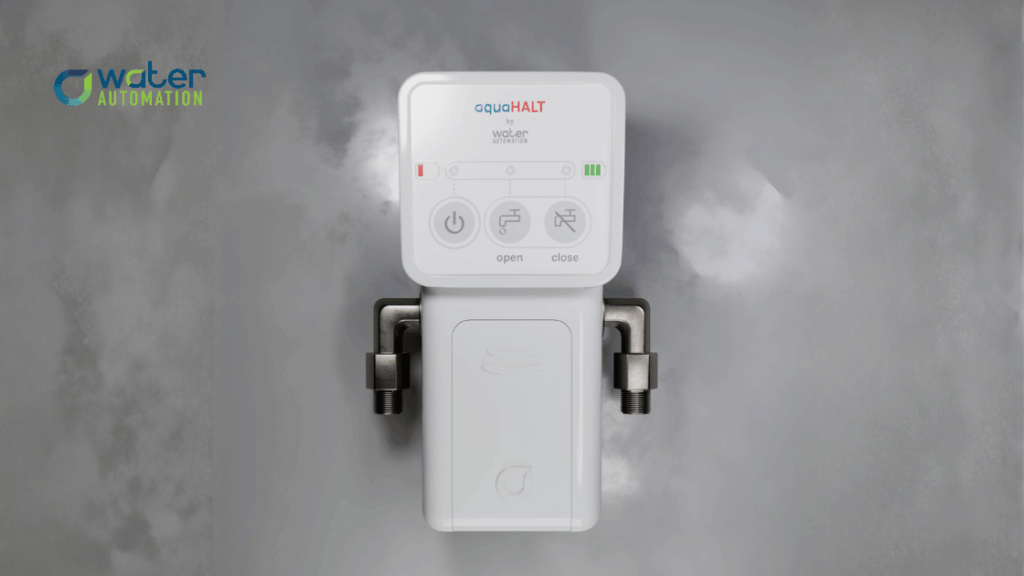
An automatic water leak detection and shut-off system is designed to prevent water damage by identifying abnormal water usage and stopping flow before a leak escalates. Unlike traditional methods that rely on visual inspection or tenant complaints, these systems work continuously in the background, providing real-time protection for residential and commercial properties.

At its core, an automatic water shut-off system monitors water flow through a building’s main supply line. The system establishes a baseline of normal water usage and detects deviations such as continuous flow, pressure drops, or unexpected spikes. When a leak is identified, the system can automatically close a valve, stopping water at the source.

This proactive approach significantly reduces the damage caused by pipe bursts, appliance failures, or leaking toilets that might otherwise go unnoticed.

There are two primary types of leak detection technologies. Spot sensors are placed near appliances, mechanical equipment, or fixtures and trigger alerts when water is detected where it shouldn’t be. While useful, they only protect specific areas.

Flow-based detection systems monitor total water usage throughout the building. These systems are more comprehensive, capable of detecting slow, silent leaks such as running toilets or underground pipe failures that spot sensors may miss.

Whole-building systems provide broad protection by monitoring the main supply line. Point-of-use devices, such as under-sink sensors or appliance shut-offs, add localized protection. In commercial environments, combining both approaches offers the strongest defense against water damage.

Commercial buildings require systems that can handle higher flow rates, variable usage patterns, and multi-tenant environments. Automatic shut-off systems in these settings help prevent large-scale damage, protect tenants, and reduce insurance risk.

The most severe water damage events often occur during nights, weekends, or holidays when no one is present to intervene. Automatic shut-off prevents uncontrolled water release during these periods, saving thousands in repairs and downtime.

Commercial water damage is one of the leading causes of property loss across office buildings, healthcare facilities, retail centers, and multifamily housing. A commercial water leak detection system shifts leak management from reactive to preventive by identifying problems before damage escalates.

Water damage extends far beyond repair expenses. Business interruption, tenant displacement, mold remediation, and insurance disputes all contribute to the true cost. Even small leaks can compromise flooring, electrical systems, and structural components if left unchecked.

Automated commercial leak detection systems continuously analyze water flow data from the building’s main supply. By understanding normal usage patterns, the system can detect anomalies such as constant flow, pressure drops, or unexpected consumption during off-hours.

When abnormal activity is detected, alerts are sent immediately to facilities teams or property managers. This rapid response capability allows maintenance staff to address issues before they become emergencies.

Many modern systems integrate with building management systems (BMS), enabling centralized monitoring across multiple properties. Insurers increasingly favor buildings equipped with automated leak detection, as these systems reduce claim frequency and severity.

Automation is not just about preventing damage—it’s about protecting revenue, maintaining tenant satisfaction, and preserving long-term asset performance.

Water leak detection for commercial buildings is one of the most effective ways property managers can reduce risk, control operating costs, and protect long-term asset value. Unlike residential properties, commercial buildings contain complex plumbing systems that run across multiple floors, mechanical rooms, tenant spaces, and restrooms. This complexity dramatically increases the likelihood of hidden leaks that can remain undetected for extended periods.

Commercial buildings are particularly high-risk because leaks often occur outside of normal business hours. Overnight, weekend, or vacant-space leaks can release thousands of gallons of water before anyone notices visible damage. By the time stains, odors, or warped materials appear, repairs are already costly and disruptive.

The most frequent leak sources include restrooms with running or leaking toilets, aging supply lines, HVAC and boiler systems, break room appliances, irrigation systems, and tenant-installed equipment. Toilets are especially problematic in office buildings, retail centers, and multifamily properties because silent leaks can persist for months while continuously wasting water.

Traditional commercial leak detection relies on visual inspections, tenant complaints, or abnormal water bills. This reactive approach almost always identifies leaks after damage has occurred. Automated commercial water leak detection systems, by contrast, continuously monitor water flow and usage patterns throughout the building. These systems establish a baseline and immediately flag abnormal activity, such as continuous flow overnight or unexpected spikes.

Advanced systems include automatic shut-off functionality that stops water flow when a leak is detected. This feature dramatically limits damage from pipe bursts, failed toilets, or mechanical failures. From an insurance standpoint, automatic shut-off reduces claim severity and demonstrates proactive risk mitigation.

Property managers should look for systems that offer real-time alerts, building-wide coverage, scalable deployment, and integration with facilities management workflows. Investing in commercial leak detection protects tenants, preserves building value, and reduces long-term operating costs.

The effectiveness of any commercial water leak detection system hinges on the quality and
strategic deployment of its sensors. With a variety of water sensor technology available,
facility managers must understand the differences to make an informed decision. Choosing
the right water leak sensor
for a specific application is critical for maximizing coverage,
minimizing false alarms, and ensuring rapid response to a leak event.

Water leak sensors can be broadly categorized based on what they detect: the presence of
water (spot/rope sensors) or an anomaly in the water flow (flow sensors).

These sensors are designed to detect the physical presence of water on a surface.

Sensor
Type
Detection MethodBest PlacementKey Benefit
Spot SensorUses two metal probes that
complete an electrical
circuit when bridged by
water.
Under sinks, near water heaters,
under HVAC units, in drip pans,
and near floor drains.
Highly sensitive and
provides precise,
localized detection.
Rope/Cable
Sensor
A long, flexible cable that
detects water along its entire
length.
Wrapped around pipes, along the
perimeter of a room, or under
raised floors (e.g., in a data
center).
Excellent for covering
large areas or tracing
the path of a pipe.

These sensors are installed directly on the water supply line and monitor the movement of
water through the pipes.

Sensor TypeDetection MethodBest PlacementKey Benefit
Ultrasonic/Magnetic
Flow Meter
Measures the
velocity and volume
of water passing
through the pipe.
Main water line, sub-
meters for specific zones
(e.g., cooling towers,
tenant floors).
Detects leaks within the pipe
system and monitors overall
consumption for billing and
waste analysis.

Even the most advanced sensor is useless if placed incorrectly. Effective best placement for
water leak detectors
requires a risk-based approach:

  • Near the Source: Place sensors directly at the point where a leak is most likely to originate. This includes under all water-using appliances (dishwashers, ice makers), near plumbing connections, and at the base of water heaters and boilers.
  • In the Path: In areas where water could travel, such as mechanical rooms or basements, use rope sensors to cover the floor perimeter or the path leading to a drain.
  • Near Critical Assets: In areas like server rooms, place sensors under raised floors and near cooling units to protect high-value equipment.
  • At the Entry Point: Install a flow sensor on the main water line to monitor the entire building’s consumption and detect large-scale leaks immediately.

The final consideration is how the sensor integrates into the overall water automation
system
. A smart sensor should not just detect water; it must communicate instantly with a
central hub that can:

  1. Alert: Send immediate notifications to the facility manager.
  2. Analyze: Differentiate between a small drip and a burst pipe.
  3. Actuate: Trigger an automatic water shut-off valve to stop the flow of water.

Choosing sensors that are compatible with a robust, cloud-based platform ensures that the
data collected is actionable and contributes to a comprehensive predictive maintenance
strategy.

Choosing the right water leak sensor is a critical investment in commercial property
protection. By understanding the different water sensor technology and implementing a
strategic placement guide, facility managers can create a layered defense that provides
continuous, reliable monitoring, ensuring that no leak, large or small, goes undetected.

Consult with waterAUTOMATION experts to determine the optimal sensor
technology and placement strategy for your commercial facility.

While the financial cost of water waste—inflated utility bills and damage repair—is
immediate and tangible, the environmental toll is often overlooked. For commercial
properties, every gallon of wasted water represents a significant drain on local resources and
contributes to a larger carbon footprint. Adopting a strategy for commercial water

conservation is therefore a dual imperative: it is essential for financial health and a non-
negotiable component of corporate sustainability initiatives.

Water waste in a commercial building is not just about the water itself; it is about the energy
and resources required to treat, pump, heat, and deliver that water.


The Incident: At 2:00 AM on a Tuesday, a supply line to a washing machine in a 25th-floor
unit failed catastrophically. Under normal circumstances, this failure would have resulted in a
continuous flow of high-pressure water, flooding the unit and cascading down through the
walls and ceilings of the 24 units below it.

  1. Energy Consumption

Water is an energy-intensive resource. Significant amounts of electricity are used for:

  • Pumping: Moving water from the source to the building and throughout the property.
  • Heating: Heating water for domestic use and HVAC systems.
  • Treatment: Treating wastewater before it is returned to the environment.


When water is wasted through leaks or inefficient systems, the energy used to process and
deliver that water is also wasted, directly increasing the building’s carbon footprint.

2. Strain on Local Water Resources

In many regions, water scarcity is a growing concern. Commercial properties that waste
water place an unnecessary strain on local reservoirs, aquifers, and municipal water supplies.
This impacts the community and the environment, particularly during periods of drought or
high demand.

3. Wastewater Treatment Burden

Every gallon of water that enters a building must eventually be treated as wastewater.
Excessive water use from leaks or inefficient systems overloads municipal wastewater
treatment plants, requiring more chemicals, energy, and infrastructure capacity to process.

Automated water systems are the most effective tool for addressing the environmental
impact of water waste
by providing the data and control necessary for true conservation.

Automation
Feature
Environmental Benefit
Real-Time Leak
Detection
Instantly stops the continuous waste of water and the associated energy used for
pumping and treatment.
Granular Data
Analysis
Identifies specific areas of inefficiency (e.g., cooling towers, irrigation) for targeted
optimization, reducing overall consumption.
Automated Shut-OffPrevents catastrophic waste events, which can rapidly deplete local water reserves
and overload sewage systems.
Predictive
Maintenance
Ensures water-using equipment operates at peak efficiency, minimizing energy and
water consumption over the long term.

The decision to implement automated water conservation strategies extends far beyond
the water bill
. It is a commitment to reducing energy consumption, preserving local water
resources, and minimizing the environmental footprint of the commercial property. By
leveraging the power of automation, facility managers can transform their buildings into
models of efficiency, aligning financial success with environmental stewardship.

Learn how waterAUTOMATION can help your commercial property achieve its
environmental impact reduction and sustainability goals.

a Multi-Unit Building

The true value of a water automation system is best illustrated not by its technology, but by
the disasters it prevents. For multi-unit buildings, where a single leak can affect dozens of

tenants and result in millions of dollars in damage, the implementation of automated shut-
off valves
is a game-changer. This case study highlights a real-world scenario where a smart

system turned a potential catastrophe into a minor maintenance event.

A 30-story residential tower, managed by a large property management firm, had recently
installed a comprehensive commercial water leak detection system featuring automatic
water shut-off valves
on the main supply line and on the supply lines to all high-risk areas
(laundry rooms, mechanical closets, and individual unit water heaters).


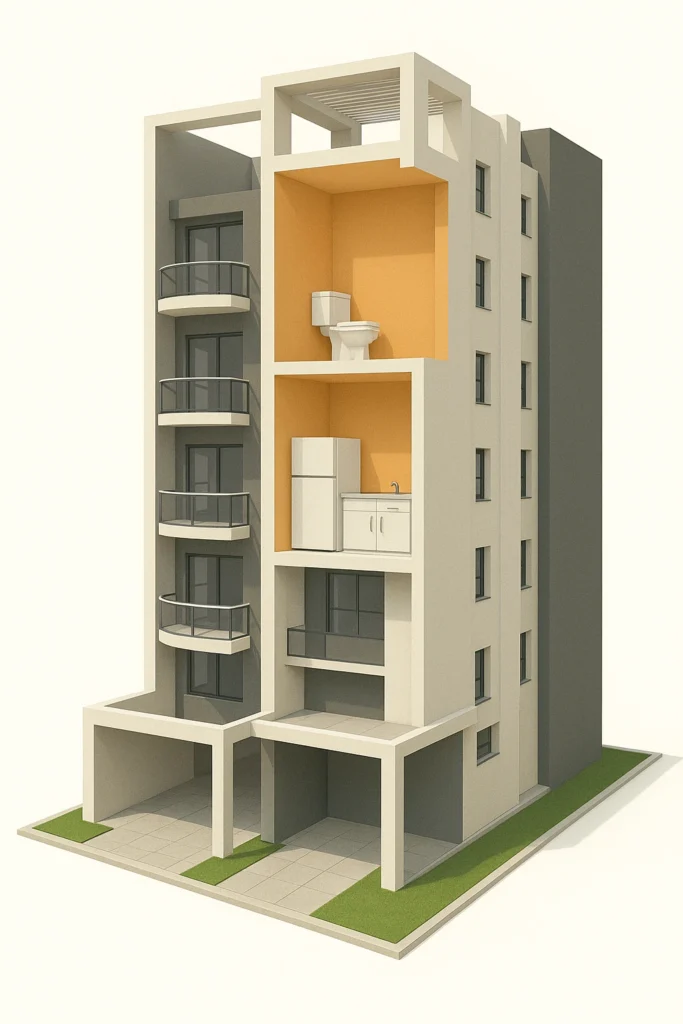
The Incident: At 2:00 AM on a Tuesday, a supply line to a washing machine in a 25th-floor
unit failed catastrophically. Under normal circumstances, this failure would have resulted in a
continuous flow of high-pressure water, flooding the unit and cascading down through the
walls and ceilings of the 24 units below it.


The water automation system responded instantly:


1. Detection: Within 30 seconds of the pipe failure, the system’s flow sensor detected an
immediate, massive spike in water flow that exceeded the established baseline for the
building. Simultaneously, a spot sensor placed near the washing machine detected
water on the floor.

2. Verification and Alert: The system’s central hub cross-referenced the flow anomaly
with the spot sensor alert, confirming a major leak event. An instant alert was sent to
the on-call facility manager via SMS and the cloud dashboard.


3. Isolation and Shut-Off: Crucially, the system’s pre-programmed logic immediately
triggered the automatic water shut-off valve installed on the main supply line to the
unit. Within two minutes of the pipe failure, the water flow to the unit was
completely stopped.

The difference between the potential damage and the actual damage was staggering:


FactorWithout Automation (Estimated)With Automated Shut-Off (Actual)
Water Flow
Duration
4-6 hours (until a tenant noticed and
maintenance arrived)
2 minutes
Units Affected25+ units (flooding from 25th floor down
to the lobby)
1 unit (localized to the laundry room)
Estimated
Damage Cost
$500,000 – $1,000,000+ (structural, mold,
tenant claims)
$3,500 (dry-out and replacement of the
washing machine supply line)
Business
Interruption
Weeks of tenant displacement, insurance
claims, and negative publicity.
None. Repair completed by 9:00 AM the
same morning.

This automated shut-off valve case study demonstrates that the speed of response is the
single most important factor in mitigating water damage. Traditional methods rely on human
intervention, which is inherently slow. Water automation provides a mechanical,
instantaneous response that eliminates the window of time during which the most
catastrophic damage occurs. For owners of multi-unit buildings, this technology is the most
effective insurance policy against the devastating financial and logistical consequences of a
major flood.

Protect your multi-unit property from the risk of catastrophic water damage. Schedule
a consultation with waterAUTOMATION today.

For commercial property owners, the decision to invest in a water automation system often
comes down to a fundamental question: Is the upfront cost justified compared to relying on
traditional plumbing and maintenance? A thorough cost-benefit analysis reveals that while
traditional plumbing is a necessary foundation, it is inherently reactive. Water automation is
a strategic upgrade that provides a clear and compelling Return on Investment (ROI) by
mitigating risk, reducing operational expenses, and enhancing asset value.

Traditional plumbing relies on physical infrastructure—pipes, fixtures, and manual valves—
and a maintenance model that is fundamentally reactive. Issues are typically discovered
through:

  • Visible Damage: A burst pipe, a ceiling stain, or a flooded floor.
  • Tenant Complaints: Reporting a leak or low water pressure.
  • Periodic Inspections: Scheduled checks that can miss developing issues.


The Cost of Reactivity: This model carries significant hidden costs. Undetected leaks lead to
massive water waste, inflated utility bills, and extensive damage that requires costly
emergency repairs and business interruption. The system is designed to contain water, not to
monitor or control it intelligently.

Water automation integrates smart technology into the plumbing infrastructure,
transforming it into a proactive, intelligent system. It uses sensors, smart meters, and
automatic water shut-off valves to monitor, analyze, and control water flow in real-time.


The true value of automation is best understood by comparing the long-term costs and
benefits against the traditional approach:

FactorTraditional Plumbing
(Reactive)
Water Automation (Proactive)
Leak DetectionManual inspection, visual signs, or
monthly bill spikes.
Real-time monitoring via flow sensors and spot
detectors; instant alerts.
Damage
Mitigation
Limited to manual shut-off after
damage has occurred.
Automatic shut-off at the source, preventing
catastrophic damage.
Operational
Cost
High utility bills due to waste; high
emergency repair costs.
Significant reduction in water waste; lower
maintenance costs due to predictive maintenance.
InsuranceStandard premiums; high risk of
claims.
Potential for reduced commercial property
insurance
premiums due to lower risk profile.
Asset ValueVulnerable to water damage,
which can devalue the property.
Enhanced asset protection; contributes to smart
building
certification and higher tenant appeal.
ROINegative (cost center).Positive (investment that generates savings and
prevents loss).

The ROI of water automation is derived from three primary sources of savings:

  1. Avoided Damage Costs: The prevention of a single major flood can save tens to
    hundreds of thousands of dollars in remediation, reconstruction, and asset
    replacement.
  2. Utility Savings: By eliminating chronic, undetected leaks and optimizing water-intensive systems, properties see a measurable and continuous reduction in water and sewer bills.
  3. Operational Efficiency: Shifting to predictive maintenance reduces the reliance on expensive emergency call-outs and allows facility staff to allocate resources more efficiently.

While a traditional plumbing system is essential for water delivery, it is a passive system that
leaves commercial properties vulnerable to significant financial loss. Water automation is
the necessary evolution, providing the intelligence and control required for modern property
management. For property owners, the investment in an automated system is a strategic move
that guarantees a safer building, lower operating costs, and a clear, demonstrable ROI.

Contact waterAUTOMATION for a detailed analysis of your property’s water risk and
a customized cost-benefit water leak detection proposal.

Any questions?

Leave your contacts and your question, and we will contact you as soon as possible.