Home » Blog » How Much Water Does a Running Toilet Use? (And How Much Money It Wastes)
How Much Water Does a Running Toilet Use? (And How Much Money It Wastes)
A running toilet is one of the most common sources of water waste in both homes and commercial buildings. While the sound may be subtle or entirely silent, the water loss is constant and expensive.
Average Water Usage from a Running Toilet
A toilet that runs continuously can waste anywhere from 200 to 400 gallons of water per day. Over a month, this adds up to more than 12,000 gallons. In commercial settings with multiple restrooms, the numbers multiply quickly.
Old vs Modern Toilets
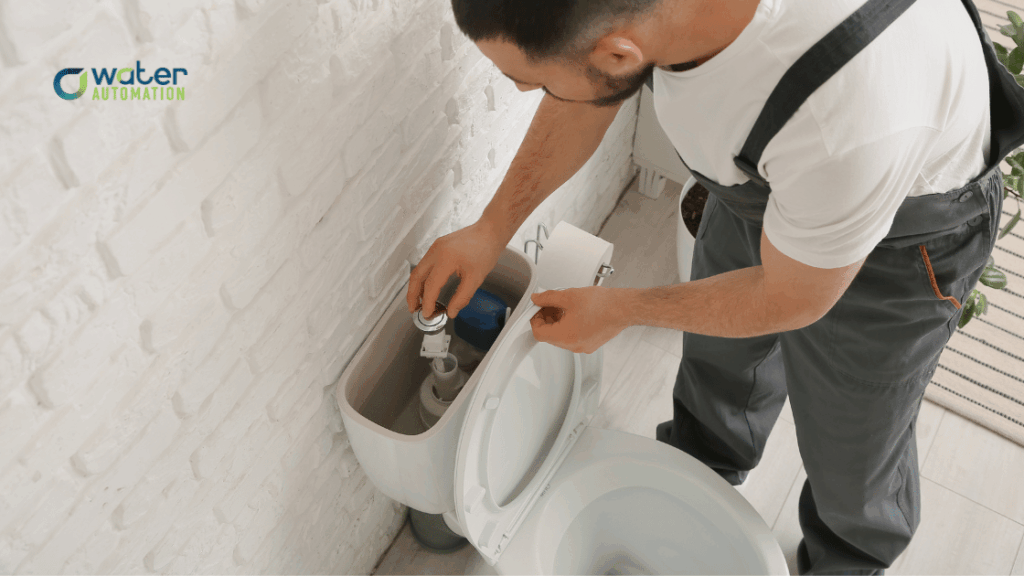
Older toilets typically use more water per flush and are more prone to mechanical wear. Worn flappers, faulty fill valves, and aging seals allow water to leak from the tank into the bowl, triggering constant refilling. Even modern high-efficiency toilets can waste large volumes if components fail.
Financial Impact on Water Bills
Water utilities charge based on volume, and sewer fees are often calculated using the same consumption data. This means a running toilet increases both water and sewer costs. Over time, a single leaking toilet can add hundreds—or even thousands—of dollars to annual utility bills.
Environmental Consequences
Beyond cost, wasted water places unnecessary strain on municipal systems and local water supplies. In regions facing water scarcity, running toilets represent a significant sustainability issue.
Detecting Silent Toilet Leaks
Many toilet leaks are silent, making them difficult to identify through routine checks. Automated leak detection systems recognize continuous low-level flow patterns and alert property managers before water waste and costs escalate.
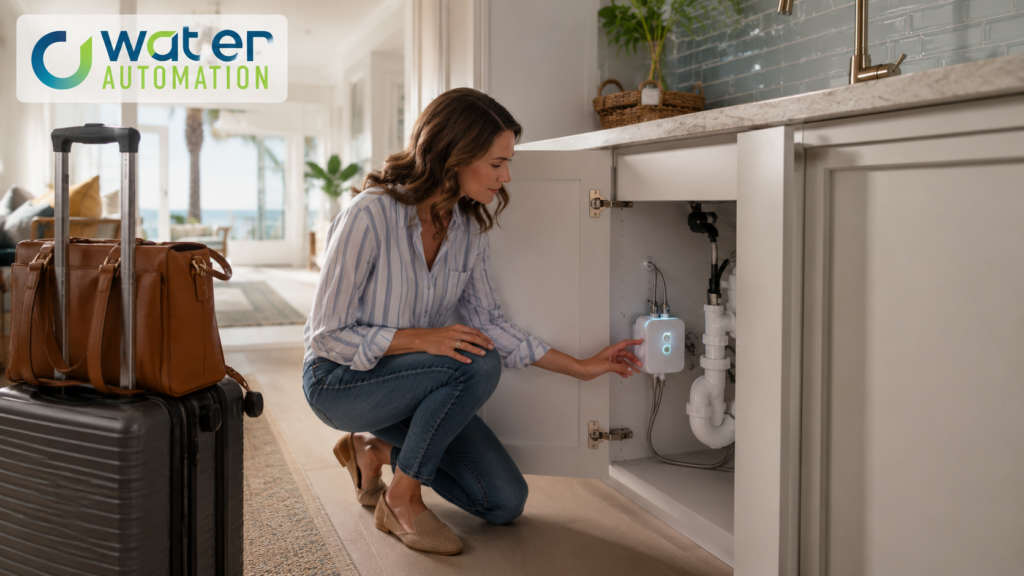
automatic water shutoff for vacation homes works best when the decision begins with observed conditions rather than assumptions. Owners often see a symptom and jump directly to a product, repair
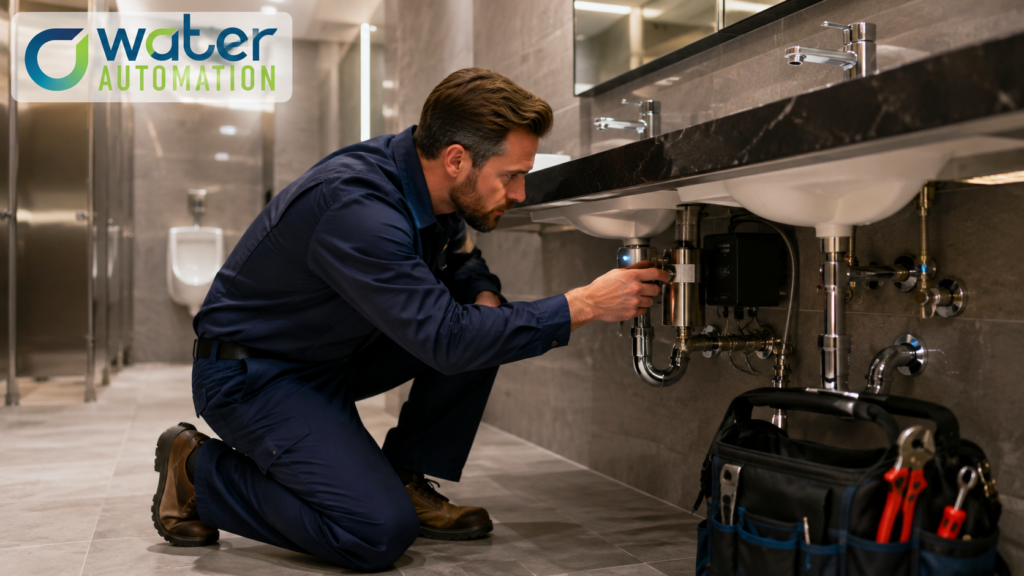
commercial restroom leak detection works best when the decision begins with observed conditions rather than assumptions. Owners often see a symptom and jump directly to a product, repair or proposal.
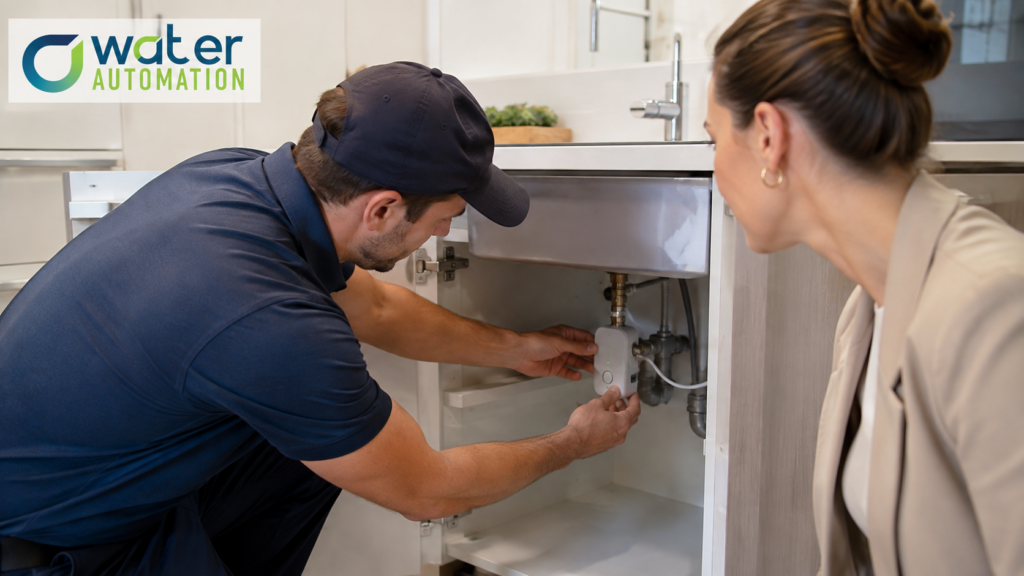
fixture-level leak detection for apartments works best when the decision begins with observed conditions rather than assumptions. Owners often see a symptom and jump directly to a product, repair or
water leak protection for new construction works best when the decision begins with observed conditions rather than assumptions. Owners often see a symptom and jump directly to a product, repair