Yes, A running toilet can dramatically increase your water bill, even if the leak seems minor. Because these leaks run continuously, the cumulative cost is far greater than most people expect.
Why Small Leaks Create Big Bills
A toilet that leaks just a fraction of a gallon per minute can waste hundreds of gallons per day. Unlike visible plumbing issues, toilet leaks often go unnoticed, allowing costs to accumulate month after month.
Understanding Utility Billing
Water utilities bill customers based on total water consumption, and sewer charges are typically tied to water usage. This means every gallon wasted by a running toilet is billed twice—once for water and once for wastewater.
Real-World Examples
Property managers frequently discover unexplained bill increases traced back to a single leaking toilet in a low-traffic restroom. In multi-unit or commercial buildings, multiple leaking fixtures can cause sudden, significant billing spikes.
Warning Signs to Watch For
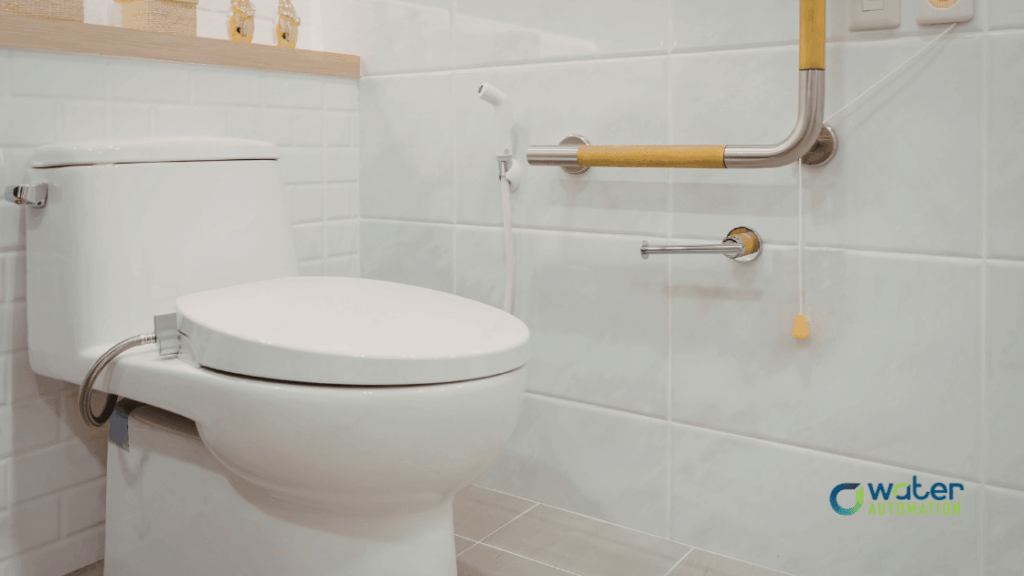
Signs of a running toilet include unexplained water bill increases, intermittent tank refilling, faint humming noises, or water movement in the bowl without flushing.
Preventing Future Increases
Routine maintenance helps, but automated monitoring provides continuous protection. Leak detection systems identify abnormal water usage immediately, preventing ongoing waste and unexpected billing surprises.