

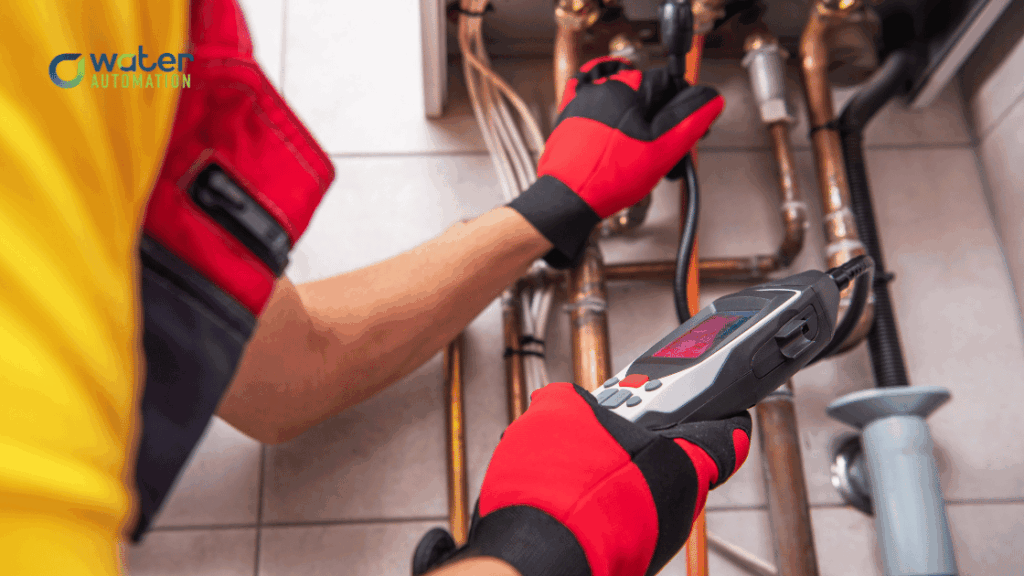
Water leak detection for commercial buildings is one of the most effective ways property managers can reduce risk, control operating costs, and protect long-term asset value. Unlike residential properties, commercial buildings contain complex plumbing systems that run across multiple floors, mechanical rooms, tenant spaces, and restrooms. This complexity dramatically increases the likelihood of hidden leaks that can remain undetected for extended periods.
Commercial buildings are particularly high-risk because leaks often occur outside of normal business hours. Overnight, weekend, or vacant-space leaks can release thousands of gallons of water before anyone notices visible damage. By the time stains, odors, or warped materials appear, repairs are already costly and disruptive.
The most frequent leak sources include restrooms with running or leaking toilets, aging supply lines, HVAC and boiler systems, break room appliances, irrigation systems, and tenant-installed equipment. Toilets are especially problematic in office buildings, retail centers, and multifamily properties because silent leaks can persist for months while continuously wasting water.
Traditional commercial leak detection relies on visual inspections, tenant complaints, or abnormal water bills. This reactive approach almost always identifies leaks after damage has occurred. Automated commercial water leak detection systems, by contrast, continuously monitor water flow and usage patterns throughout the building. These systems establish a baseline and immediately flag abnormal activity, such as continuous flow overnight or unexpected spikes.
Advanced systems include automatic shut-off functionality that stops water flow when a leak is detected. This feature dramatically limits damage from pipe bursts, failed toilets, or mechanical failures. From an insurance standpoint, automatic shut-off reduces claim severity and demonstrates proactive risk mitigation.
Property managers should look for systems that offer real-time alerts, building-wide coverage, scalable deployment, and integration with facilities management workflows. Investing in commercial leak detection protects tenants, preserves building value, and reduces long-term operating costs.
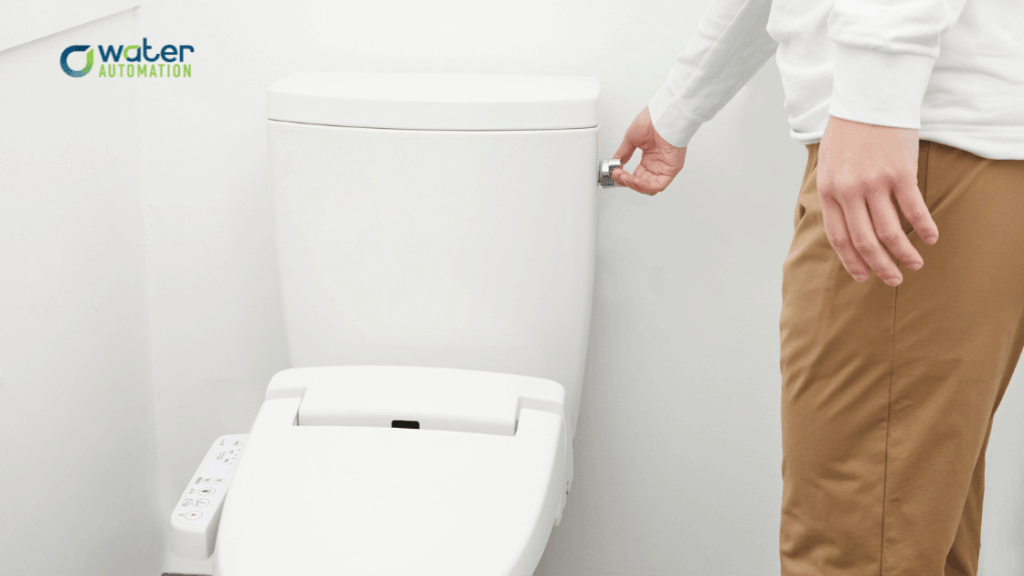
Understanding how much water a toilet uses per flush is essential for homeowners, facility managers, and anyone trying to reduce water waste. Toilets account for a significant portion of indoor water consumption, and small differences in flush volume can have a major impact over time.
The amount of water used per flush depends largely on the toilet’s age and design. Older toilets installed before the 1990s often use between 3.5 and 7 gallons per flush. In contrast, modern toilets are designed to meet federal efficiency standards and typically use 1.6 gallons per flush or less.
When people ask how much water does a toilet use, they’re often surprised to learn how much older fixtures consume compared to newer models.
In the United States, toilets manufactured after 1994 must comply with federal regulations limiting flush volume to 1.6 gallons. High-efficiency toilets go even further, using as little as 1.28 gallons per flush while maintaining performance.
These standards exist to reduce overall water demand and minimize strain on water treatment infrastructure.
Commercial toilets are designed for durability and frequent use. Many use pressure-assisted systems that flush quickly but may still use more water per flush than residential models.
In high-traffic environments, understanding toilet flush water usage is critical. Even small inefficiencies multiply rapidly when toilets are used hundreds of times per day.
Daily usage adds up quickly. A household of four flushing five times per person per day can easily exceed 30 gallons daily from toilet flushing alone. Over a month, that can total hundreds of gallons.
When evaluating how much water is used when you flush a toilet, both flush volume and frequency matter.
Higher flush volumes make leaks harder to detect. A leaking flapper or valve may blend into normal usage patterns, masking water loss. Monitoring water used flushing toilet activity helps identify abnormal behavior before waste becomes excessive.
Water monitoring systems can track how much water does a toilet use per flush and flag irregular usage. This data-driven approach helps property owners identify inefficiencies, aging fixtures, and hidden leaks early.
Reducing flush volume combined with monitoring creates long-term savings and supports sustainable water use.
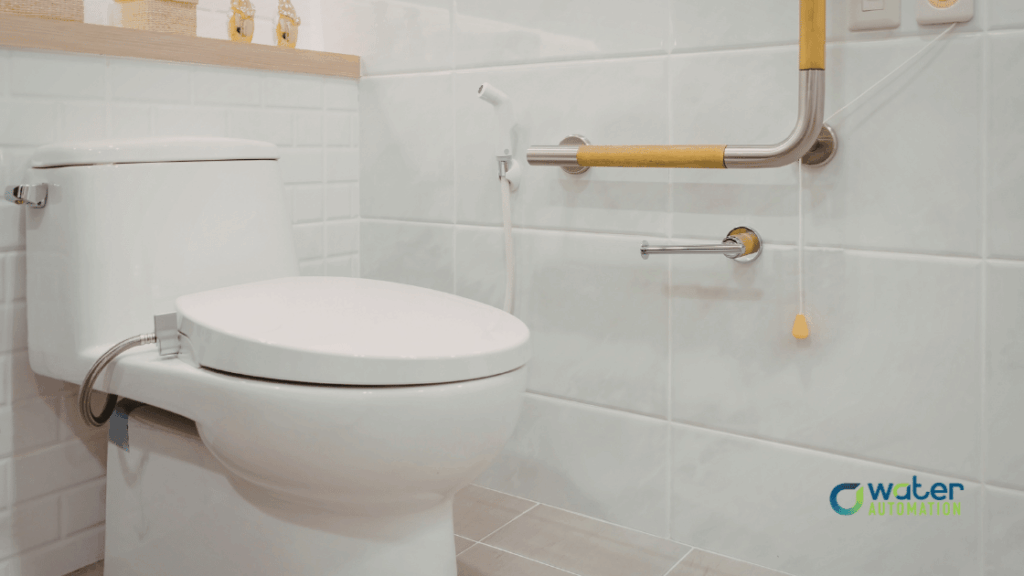
Yes, A running toilet can dramatically increase your water bill, even if the leak seems minor. Because these leaks run continuously, the cumulative cost is far greater than most people expect.
A toilet that leaks just a fraction of a gallon per minute can waste hundreds of gallons per day. Unlike visible plumbing issues, toilet leaks often go unnoticed, allowing costs to accumulate month after month.
Water utilities bill customers based on total water consumption, and sewer charges are typically tied to water usage. This means every gallon wasted by a running toilet is billed twice—once for water and once for wastewater.
Property managers frequently discover unexplained bill increases traced back to a single leaking toilet in a low-traffic restroom. In multi-unit or commercial buildings, multiple leaking fixtures can cause sudden, significant billing spikes.
Signs of a running toilet include unexplained water bill increases, intermittent tank refilling, faint humming noises, or water movement in the bowl without flushing.
Routine maintenance helps, but automated monitoring provides continuous protection. Leak detection systems identify abnormal water usage immediately, preventing ongoing waste and unexpected billing surprises.
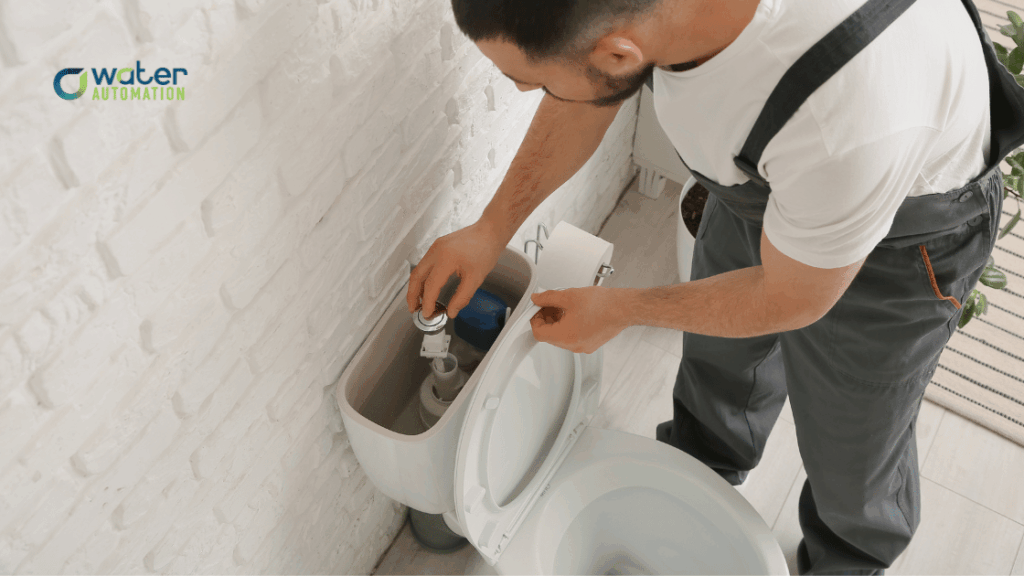
A running toilet is one of the most common sources of water waste in both homes and commercial buildings. While the sound may be subtle or entirely silent, the water loss is constant and expensive.
A toilet that runs continuously can waste anywhere from 200 to 400 gallons of water per day. Over a month, this adds up to more than 12,000 gallons. In commercial settings with multiple restrooms, the numbers multiply quickly.
Older toilets typically use more water per flush and are more prone to mechanical wear. Worn flappers, faulty fill valves, and aging seals allow water to leak from the tank into the bowl, triggering constant refilling. Even modern high-efficiency toilets can waste large volumes if components fail.
Water utilities charge based on volume, and sewer fees are often calculated using the same consumption data. This means a running toilet increases both water and sewer costs. Over time, a single leaking toilet can add hundreds—or even thousands—of dollars to annual utility bills.
Beyond cost, wasted water places unnecessary strain on municipal systems and local water supplies. In regions facing water scarcity, running toilets represent a significant sustainability issue.
Many toilet leaks are silent, making them difficult to identify through routine checks. Automated leak detection systems recognize continuous low-level flow patterns and alert property managers before water waste and costs escalate.
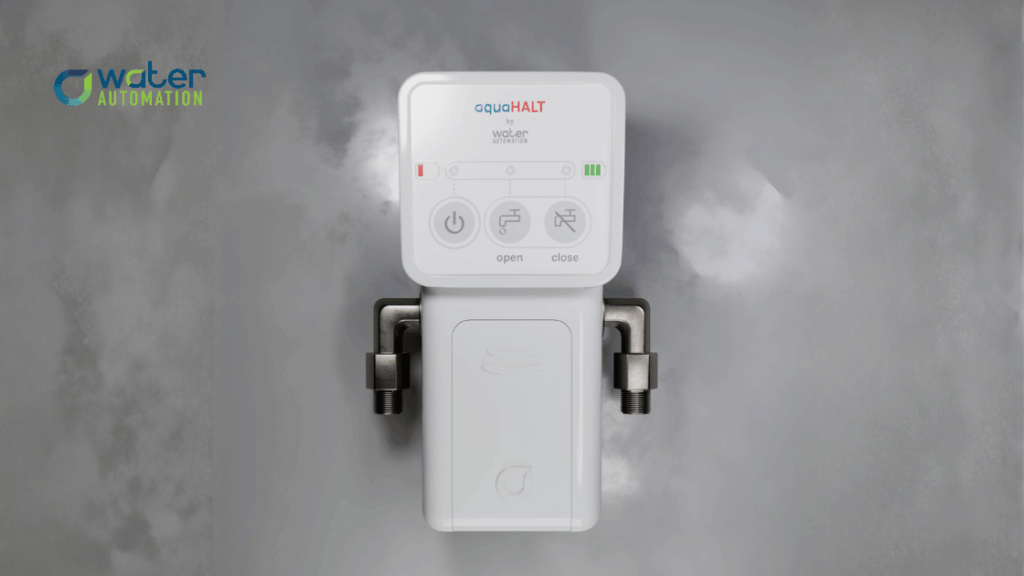
An automatic water leak detection and shut-off system is designed to prevent water damage by identifying abnormal water usage and stopping flow before a leak escalates. Unlike traditional methods that rely on visual inspection or tenant complaints, these systems work continuously in the background, providing real-time protection for residential and commercial properties.
At its core, an automatic water shut-off system monitors water flow through a building’s main supply line. The system establishes a baseline of normal water usage and detects deviations such as continuous flow, pressure drops, or unexpected spikes. When a leak is identified, the system can automatically close a valve, stopping water at the source.
This proactive approach significantly reduces the damage caused by pipe bursts, appliance failures, or leaking toilets that might otherwise go unnoticed.
There are two primary types of leak detection technologies. Spot sensors are placed near appliances, mechanical equipment, or fixtures and trigger alerts when water is detected where it shouldn’t be. While useful, they only protect specific areas.
Flow-based detection systems monitor total water usage throughout the building. These systems are more comprehensive, capable of detecting slow, silent leaks such as running toilets or underground pipe failures that spot sensors may miss.
Whole-building systems provide broad protection by monitoring the main supply line. Point-of-use devices, such as under-sink sensors or appliance shut-offs, add localized protection. In commercial environments, combining both approaches offers the strongest defense against water damage.
Commercial buildings require systems that can handle higher flow rates, variable usage patterns, and multi-tenant environments. Automatic shut-off systems in these settings help prevent large-scale damage, protect tenants, and reduce insurance risk.
The most severe water damage events often occur during nights, weekends, or holidays when no one is present to intervene. Automatic shut-off prevents uncontrolled water release during these periods, saving thousands in repairs and downtime.