
Choosing the Right Water Leak Sensor

Choosing the Right Water Leak Sensor: A Guide to Technology and Placement

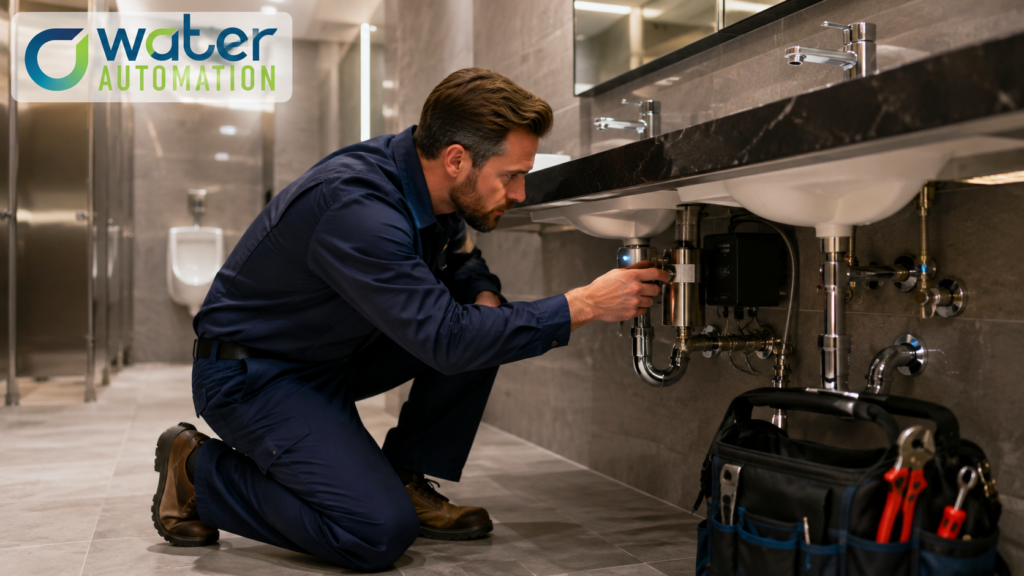
The effectiveness of any commercial water leak detection system hinges on the quality and
strategic deployment of its sensors. With a variety of water sensor technology available,
facility managers must understand the differences to make an informed decision. Choosing
the right water leak sensor
for a specific application is critical for maximizing coverage,
minimizing false alarms, and ensuring rapid response to a leak event.

Water leak sensors can be broadly categorized based on what they detect: the presence of
water (spot/rope sensors) or an anomaly in the water flow (flow sensors).

These sensors are designed to detect the physical presence of water on a surface.

Sensor
Type
Detection MethodBest PlacementKey Benefit
Spot SensorUses two metal probes that
complete an electrical
circuit when bridged by
water.
Under sinks, near water heaters,
under HVAC units, in drip pans,
and near floor drains.
Highly sensitive and
provides precise,
localized detection.
Rope/Cable
Sensor
A long, flexible cable that
detects water along its entire
length.
Wrapped around pipes, along the
perimeter of a room, or under
raised floors (e.g., in a data
center).
Excellent for covering
large areas or tracing
the path of a pipe.

These sensors are installed directly on the water supply line and monitor the movement of
water through the pipes.

Sensor TypeDetection MethodBest PlacementKey Benefit
Ultrasonic/Magnetic
Flow Meter
Measures the
velocity and volume
of water passing
through the pipe.
Main water line, sub-
meters for specific zones
(e.g., cooling towers,
tenant floors).
Detects leaks within the pipe
system and monitors overall
consumption for billing and
waste analysis.

Even the most advanced sensor is useless if placed incorrectly. Effective best placement for
water leak detectors
requires a risk-based approach:

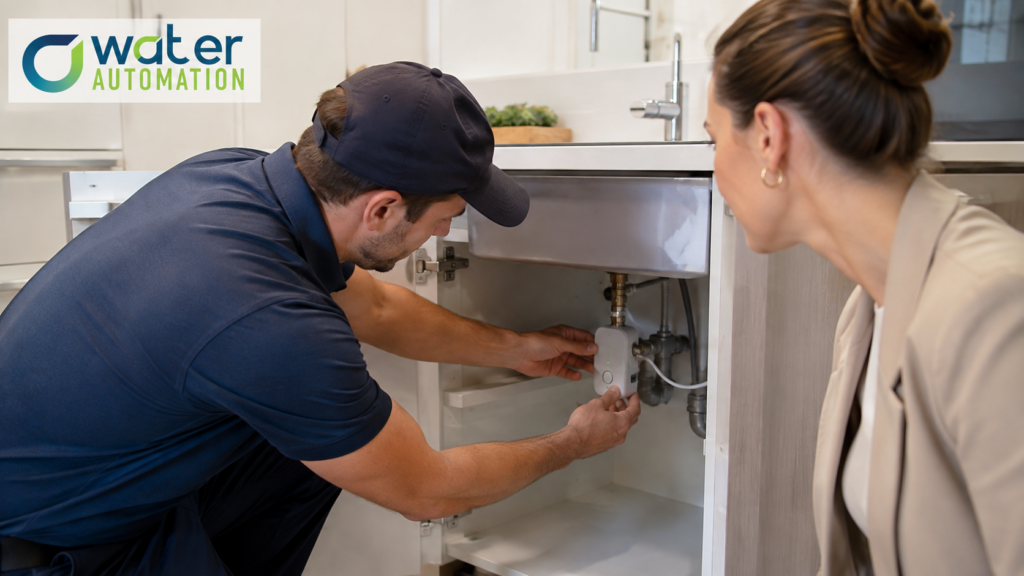
  • Near the Source: Place sensors directly at the point where a leak is most likely to originate. This includes under all water-using appliances (dishwashers, ice makers), near plumbing connections, and at the base of water heaters and boilers.
  • In the Path: In areas where water could travel, such as mechanical rooms or basements, use rope sensors to cover the floor perimeter or the path leading to a drain.
  • Near Critical Assets: In areas like server rooms, place sensors under raised floors and near cooling units to protect high-value equipment.
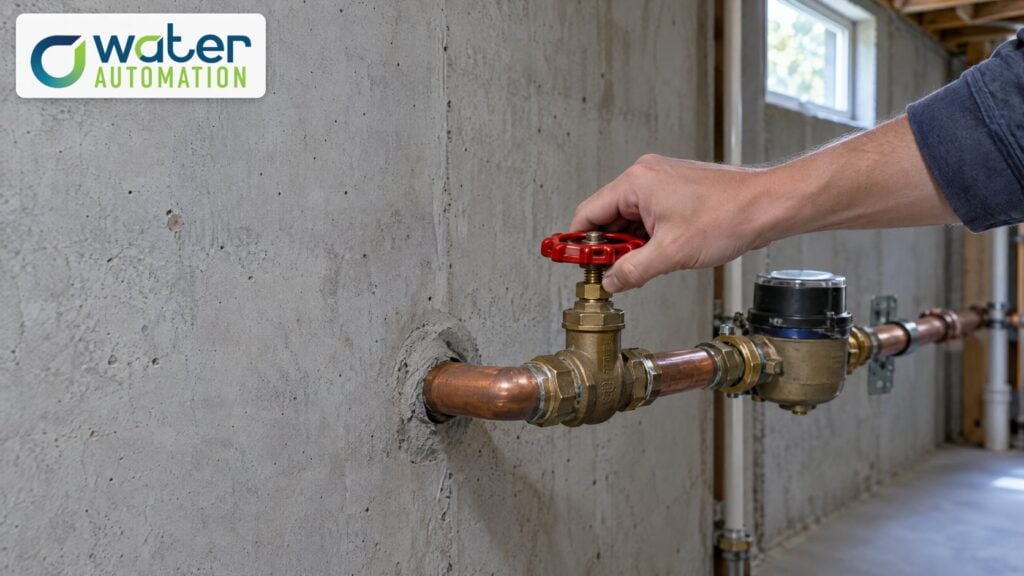
  • At the Entry Point: Install a flow sensor on the main water line to monitor the entire building’s consumption and detect large-scale leaks immediately.

The final consideration is how the sensor integrates into the overall water automation
system
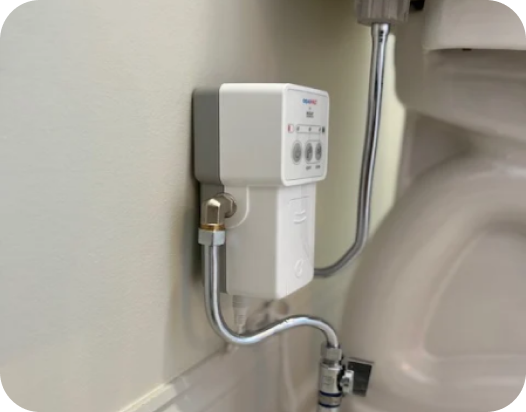
. A smart sensor should not just detect water; it must communicate instantly with a
central hub that can:

  1. Alert: Send immediate notifications to the facility manager.
  2. Analyze: Differentiate between a small drip and a burst pipe.
  3. Actuate: Trigger an automatic water shut-off valve to stop the flow of water.

Choosing sensors that are compatible with a robust, cloud-based platform ensures that the
data collected is actionable and contributes to a comprehensive predictive maintenance
strategy.

Choosing the right water leak sensor is a critical investment in commercial property
protection. By understanding the different water sensor technology and implementing a
strategic placement guide, facility managers can create a layered defense that provides
continuous, reliable monitoring, ensuring that no leak, large or small, goes undetected.

Consult with waterAUTOMATION experts to determine the optimal sensor
technology and placement strategy for your commercial facility.
See also

Introduction

Water damage is one of the most common and expensive issues homeowners face. A burst pipe, leaking appliance, or unnoticed plumbing failure can cause thousands of dollars in repairs within hours. Fortunately, modern technology offers a proactive solution: automatic water shut-off valves. These systems detect leaks and automatically stop water flow before significant damage occurs, providing homeowners with peace of mind and long-term savings.


What Is an Automatic Water Shut-Off Valve?

An automatic water shut-off valve is a device installed on your home’s main water supply line. When connected to leak detection sensors, it continuously monitors for signs of water leaks. If a leak is detected, the system automatically closes the valve to stop water from flowing through the affected area.

Unlike traditional plumbing systems that require manual intervention, automatic shut-off valves react immediately, even when nobody is home.


The Growing Problem of Water Damage

Water damage affects millions of homes every year and can result from:

  • Burst pipes
  • Leaking water heaters
  • Faulty washing machine hoses
  • Overflowing toilets
  • Dishwasher leaks
  • Frozen pipes
  • Hidden plumbing failures

Many homeowners don’t discover a leak until visible damage appears on floors, walls, or ceilings. By that point, repairs can be costly and disruptive.

An automatic shut-off valve acts as a first line of defense, helping prevent minor leaks from becoming major disasters.


Key Benefits of an Automatic Water Shut-Off Valve

1. Prevent Costly Water Damage

The biggest advantage is preventing extensive water damage. When water flow is automatically stopped, the amount of damage is significantly reduced.

Instead of dealing with flooded rooms, damaged flooring, mold growth, and expensive restoration services, homeowners can address the issue quickly and efficiently.

2. Protect Your Home When You’re Away

Many water damage incidents occur when homeowners are at work, traveling, or away for extended periods.

An automatic shut-off valve provides continuous protection 24/7, ensuring your property remains safeguarded even when no one is present.

This is especially valuable for:

  • Vacation homes
  • Rental properties
  • Seasonal residences
  • Frequent travelers

3. Reduce Repair and Maintenance Costs

Water damage often involves more than plumbing repairs. Homeowners may also need to replace:

  • Flooring
  • Drywall
  • Cabinets
  • Furniture
  • Electrical components

By stopping leaks early, an automatic shut-off system helps minimize repair expenses and property disruption.

4. Minimize Mold and Mildew Risks

Excess moisture creates ideal conditions for mold growth. Once mold develops, remediation can become expensive and time-consuming.

Early leak detection combined with automatic water shut-off helps keep moisture under control and reduces the likelihood of mold-related problems.

5. Increase Home Protection and Peace of Mind

Knowing your home is protected around the clock offers invaluable peace of mind. Whether you’re asleep, at work, or on vacation, the system continuously monitors your plumbing system and responds immediately when a leak occurs.


Where Should Leak Detection Sensors Be Installed?

Leak detection sensors are most effective when placed near common sources of water leaks, including:

  • Toilets
  • Water heaters
  • Washing machines
  • Dishwashers
  • Under sinks
  • Refrigerators with water lines
  • Utility rooms

Strategic sensor placement helps ensure leaks are detected as early as possible.


Why Traditional Leak Detection Isn’t Enough

Many homeowners rely on visual inspections to identify leaks. Unfortunately, hidden leaks often remain undetected for weeks or months.

By the time signs such as water stains, warped flooring, or mold appear, significant damage may have already occurred.

An automatic shut-off system provides active protection rather than relying solely on human observation.


Why Homeowners Are Choosing aquaHALT®

Water Automation’s aquaHALT® system is designed to provide reliable leak detection and automatic water shut-off protection. Using strategically placed sensors and a battery-powered design, aquaHALT® helps homeowners detect leaks at their source and automatically stop water flow before costly damage occurs.

Whether you’re protecting a primary residence, vacation home, or investment property, aquaHALT® offers an effective solution for preventing unexpected water damage.


Conclusion

Water damage can happen at any time, often without warning. An automatic water shut-off valve provides a proactive way to protect your home, belongings, and finances from costly plumbing emergencies.

By detecting leaks early and automatically stopping water flow, homeowners can avoid major repairs, reduce maintenance costs, and enjoy greater peace of mind. Investing in an automatic water shut-off system is one of the smartest steps you can take to safeguard your property for years to come.

Ready to protect your home from unexpected water damage? Contact Water Automation today to learn more about the aquaHALT® leak detection and automatic shut-off system.

Water damage is one of the most expensive and disruptive problems commercial property owners face. A single undetected leak can damage offices, equipment, inventory, and building infrastructure, leading to costly repairs and tenant dissatisfaction.

Fortunately, smart leak detection for commercial buildings offers a proactive solution. By identifying leaks early and automatically shutting off water when necessary, modern leak detection systems help property owners minimize damage, reduce costs, and improve operational efficiency.

Why Water Leaks Are a Serious Threat to Commercial Buildings

Commercial properties contain extensive plumbing networks that serve offices, retail spaces, restaurants, apartment complexes, hotels, and industrial facilities. Even a minor leak can escalate into a major problem if it goes unnoticed.

Common consequences of commercial water leaks include:

  • Structural damage to walls, ceilings, and floors
  • Business interruptions and tenant complaints
  • Mold and mildew growth
  • Damage to equipment and inventory
  • Increased water bills
  • Expensive emergency repairs
  • Insurance claims and premium increases

Because commercial buildings often have multiple floors and occupied spaces, water damage can spread quickly before anyone notices the issue.

What Is Smart Leak Detection?

Smart leak detection systems use advanced sensors to monitor water flow and detect abnormal conditions that may indicate a leak.

Unlike traditional leak detectors that simply sound an alarm, modern systems can:

  • Detect leaks in real time
  • Send instant notifications
  • Monitor water usage patterns
  • Identify abnormal flow rates
  • Automatically shut off water when a leak is detected

This proactive approach allows property owners and facility managers to address problems before significant damage occurs.

Common Sources of Water Leaks in Commercial Buildings

Commercial properties face numerous leak risks every day.

Some of the most common sources include:

Aging Plumbing Systems

Older pipes can corrode, crack, or develop weak connections that eventually lead to leaks.

HVAC Systems

Heating and cooling equipment often contains condensate lines and water connections that may fail over time.

Restrooms and Kitchens

Toilets, sinks, water heaters, and appliances are frequent sources of leaks in commercial properties.

Mechanical Rooms

Boilers, pumps, and water supply lines can experience failures that result in substantial water damage.

Tenant Spaces

Leaks within individual tenant units may go unnoticed until damage spreads into adjacent areas.

Benefits of Smart Leak Detection for Commercial Buildings

Early Leak Detection

The sooner a leak is identified, the less damage it can cause. Smart systems provide immediate alerts when unusual water activity occurs.

Reduced Repair Costs

Small leaks are significantly cheaper to repair than major flood events. Early intervention helps avoid costly restoration projects.

Lower Insurance Risks

Many insurers recognize the value of proactive leak prevention measures. Smart monitoring systems may help reduce claims and improve risk management.

Protection for Tenants

Water damage can disrupt business operations and impact tenant satisfaction. Leak detection helps maintain a safer, more reliable environment.

Automatic Water Shut-Off

One of the most valuable features of advanced systems is automatic shut-off technology, which stops water flow before a leak becomes a disaster.

How Automatic Shut-Off Technology Works

Automatic shut-off systems continuously monitor water flow throughout the building.

When abnormal activity is detected, the system can:

  1. Identify the potential leak.
  2. Send an alert to property managers.
  3. Automatically close the water valve.
  4. Prevent additional water from entering the affected area.

This rapid response can save thousands of dollars in potential damages.

Ideal Commercial Properties for Smart Leak Detection

Smart leak detection systems are beneficial for nearly every type of commercial property, including:

  • Office buildings
  • Hotels
  • Apartment complexes
  • Condominiums
  • Retail centers
  • Healthcare facilities
  • Schools and universities
  • Industrial properties
  • Senior living communities

Any property with plumbing infrastructure can benefit from proactive leak protection.

Choosing the Right Leak Detection System

When evaluating solutions, look for features such as:

  • Real-time monitoring
  • Mobile alerts
  • Automatic shut-off valves
  • Easy installation
  • Reliable sensor technology
  • Scalability for larger properties
  • Remote management capabilities

The right system should provide comprehensive protection while minimizing maintenance requirements.

Why Property Owners Are Investing in Smart Water Protection

Commercial property owners are increasingly adopting smart building technologies to improve efficiency and reduce operating costs.

Water leak detection has become an essential component of modern property management because it helps:

  • Protect building assets
  • Reduce unexpected repair expenses
  • Improve tenant satisfaction
  • Support insurance risk management
  • Prevent costly downtime

The return on investment from avoiding a single major leak can often exceed the cost of the system itself.

Protect Your Commercial Building Before Water Damage Happens

Water damage rarely announces itself before it becomes a costly problem. Investing in smart leak detection for commercial buildings allows property owners to identify issues early, prevent extensive damage, and maintain safer, more efficient properties.

With advanced monitoring and automatic shut-off capabilities, solutions like AquaHALT help commercial property owners protect their buildings, tenants, and bottom line before leaks become disasters.

apartment buildings. A single leaking toilet, burst supply hose, or failed appliance connection can quickly spread through multiple units, damaging ceilings, flooring, walls, electrical systems, and tenant belongings.

For property managers and apartment owners, these incidents often lead to:

  • Expensive repairs
  • Emergency maintenance calls
  • Insurance claims
  • Tenant complaints
  • Property downtime
  • Long-term structural damage

The challenge with apartment buildings is that leaks rarely affect only one unit. Water moves fast through shared plumbing systems and building structures, making early detection critical.

That’s why more property managers are investing in leak detection solutions specifically designed for multi-unit apartment buildings.

In this guide, we’ll explore the best leak detection solutions for apartment complexes, what features property managers should prioritize, and how automatic shut-off systems help prevent costly water damage before it spreads.


Why Apartment Buildings Face Higher Water Damage Risks

Apartment buildings are uniquely vulnerable to water damage because multiple units share plumbing systems within a confined structure.

Common leak sources include:

  • Toilets
  • Bathroom sinks
  • Kitchen plumbing
  • Washing machines
  • Refrigerator water lines
  • Water heaters

When a leak occurs in one apartment, water often travels:

  • Through ceilings
  • Behind walls
  • Into neighboring units
  • Across flooring systems
  • Into electrical infrastructure

A small plumbing issue can quickly escalate into a building-wide maintenance emergency.


The True Cost of Apartment Water Damage

Water damage in multi-unit properties can become extremely expensive.

Repair costs may include:

  • Flooring replacement
  • Drywall repairs
  • Mold remediation
  • Plumbing restoration
  • Electrical repairs
  • Tenant relocation
  • Emergency cleanup services

In severe cases, property managers may also face:

  • Insurance deductibles
  • Vacancy losses
  • Tenant dissatisfaction
  • Reputation damage

Preventative leak detection is far more affordable than large-scale restoration projects.


Why Traditional Leak Prevention Isn’t Enough

Many apartment buildings still rely primarily on:

  • Routine inspections
  • Tenant reporting
  • Manual shut-off valves
  • Reactive maintenance teams

While these strategies help, they cannot fully prevent sudden plumbing failures that occur when:

  • Tenants are asleep
  • Residents are away from home
  • Units are vacant
  • Maintenance staff are off-site

By the time someone notices the leak, serious damage may already exist.

That’s why automatic leak detection systems are becoming increasingly important in modern apartment management.


What Is a Leak Detection System?

A leak detection system is designed to identify water leaks early and respond before widespread flooding occurs.

Modern systems may include:

  • Moisture sensors
  • Leak alarms
  • Automatic shut-off valves
  • Battery-powered operation
  • Multi-location protection

Advanced systems automatically stop water flow at the source when leaks are detected, dramatically reducing damage severity.


The Best Types of Leak Detection Solutions for Apartment Buildings

Not all leak detection systems are equally effective for multi-unit properties.

Here are the best solutions property managers should consider.


Automatic Water Shut-Off Systems

Automatic shut-off systems provide the strongest protection against major flooding.

When water is detected:

  1. The sensor activates
  2. The system responds immediately
  3. Water flow shuts off automatically
  4. Flooding is minimized

This is especially important in apartment buildings because leaks can spread rapidly between units.

Unlike traditional alarms, automatic shut-off systems actively stop the source of the problem.


Battery-Powered Leak Detection Systems

Battery-powered systems are ideal for apartment complexes because they:

  • Require no electrical wiring
  • Install quickly
  • Continue working during power outages
  • Scale easily across multiple units
  • Reduce installation costs

Property managers appreciate the flexibility and simplicity of battery-operated systems, especially in older buildings where electrical upgrades may be difficult.


Toilet Leak Detection Solutions

Toilet overflows are among the most common causes of apartment flooding.

Automatic toilet leak detection systems help prevent:

  • Overflow damage
  • Running toilet floods
  • Continuous water flow
  • Overnight bathroom flooding

These systems are particularly valuable in high-density apartment buildings.


Sink and Appliance Leak Protection

Kitchen and bathroom leaks often begin slowly under sinks or behind appliances.

Protecting areas near:

  • Dishwashers
  • Refrigerators
  • Ice makers
  • Washing machines
  • Water heaters

helps reduce hidden water damage risks before major flooding develops.


Leak Detection for Vacant Units

Vacant apartments are especially vulnerable because leaks may continue unnoticed for days or weeks.

Automatic shut-off systems provide continuous protection even when:

  • Units are empty
  • Tenants move out
  • Apartments are under renovation
  • Seasonal properties are unoccupied

This significantly reduces maintenance risk for property managers.


Features Property Managers Should Look For

When choosing a leak detection solution for apartment buildings, several features are especially important.


Easy Installation

Large apartment buildings require scalable solutions.

Systems that require:

  • Plumbers
  • Electricians
  • Extensive wiring
  • Complex smart-home integration

can become expensive and difficult to deploy across multiple units.

DIY-friendly systems reduce installation costs significantly.


Reliable Automatic Shut-Off

Automatic shut-off functionality is one of the most important features in leak prevention.

Simply receiving alerts isn’t always enough if nobody is available to respond immediately.

Stopping water flow automatically minimizes damage much faster.


Battery-Powered Operation

Battery-powered systems eliminate many installation challenges and continue operating during power outages.

This adds valuable reliability in apartment environments.


Multi-Location Protection

The best systems protect several high-risk areas, including:

  • Toilets
  • Sinks
  • Ice makers
  • Appliances
  • Water heaters

Apartment leaks can occur in multiple locations, so versatile protection matters.


Low Maintenance Requirements

Property managers benefit from systems that are:

  • Easy to maintain
  • Simple to monitor
  • Reliable long-term
  • Easy to replace batteries

Low-maintenance solutions reduce operational complexity across large properties.


Why Smart Home Systems Aren’t Always Ideal for Apartments

Some leak detection systems rely heavily on:

  • Wi-Fi
  • Smart-home apps
  • Cloud connectivity
  • Subscription services

While these systems may work well in some homes, apartment buildings often require simpler and more scalable solutions.

Battery-powered automatic shut-off systems are often preferred because they:

  • Operate independently
  • Avoid complicated setup
  • Require less maintenance
  • Deploy more efficiently across many units

Simplicity is often more valuable than advanced automation in property management.


How Leak Detection Helps Reduce Insurance Claims

Water damage claims are extremely expensive for apartment owners and insurance providers alike.

Leak detection systems help:

  • Reduce flooding severity
  • Lower repair costs
  • Minimize claim frequency
  • Demonstrate proactive property maintenance

Some insurance providers may even recognize preventative leak protection when evaluating property risk.


Why Preventative Maintenance Is the Future of Property Management

Modern property management is increasingly focused on proactive protection instead of reactive repairs.

Preventative technologies help property managers:

  • Reduce operational costs
  • Protect building infrastructure
  • Improve tenant satisfaction
  • Lower maintenance emergencies
  • Protect long-term property value

Leak detection systems are becoming a critical part of that strategy.


Why aquaHALT Is Ideal for Multi-Unit Apartment Buildings

aquaHALT is designed specifically for practical leak prevention in apartments, homes, and commercial buildings.

The system provides:

  • Automatic water shut-off
  • Battery-powered operation
  • Easy DIY installation
  • Protection for toilets, sinks, and ice makers
  • Reliable 24/7 monitoring

Because aquaHALT does not require complicated wiring or smart-home integration, property managers can efficiently deploy protection across multiple units.

Its compact design and automatic response make it a practical solution for modern apartment buildings.


Protect Apartment Buildings From Costly Water Damage

Water leaks can happen anytime:

  • Overnight
  • During vacations
  • In vacant units
  • While tenants are away

Without automatic protection, even small leaks can lead to major repair costs and tenant disruption.

The best leak detection solutions help property managers stop water damage before it spreads throughout the building.


Stop Apartment Water Damage Before It Starts

Water Automation offers battery-powered automatic leak detection and shut-off systems designed to help apartment owners and property managers protect multi-unit buildings from costly flooding and water damage.

The aquaHALT system automatically detects leaks and shuts off water flow at the source, helping reduce repair costs, protect tenants, and simplify property maintenance without complicated installation.

For apartment buildings, proactive leak prevention is one of the smartest investments you can make.

apartment buildings. A single leaking toilet, burst supply hose, or failed appliance connection can quickly spread through multiple units, damaging ceilings, flooring, walls, electrical systems, and tenant belongings.

For property managers and apartment owners, these incidents often lead to:

  • Expensive repairs
  • Emergency maintenance calls
  • Insurance claims
  • Tenant complaints
  • Property downtime
  • Long-term structural damage

The challenge with apartment buildings is that leaks rarely affect only one unit. Water moves fast through shared plumbing systems and building structures, making early detection critical.

That’s why more property managers are investing in leak detection solutions specifically designed for multi-unit apartment buildings.

In this guide, we’ll explore the best leak detection solutions for apartment complexes, what features property managers should prioritize, and how automatic shut-off systems help prevent costly water damage before it spreads.


Why Apartment Buildings Face Higher Water Damage Risks

Apartment buildings are uniquely vulnerable to water damage because multiple units share plumbing systems within a confined structure.

Common leak sources include:

  • Toilets
  • Bathroom sinks
  • Kitchen plumbing
  • Washing machines
  • Refrigerator water lines
  • Water heaters

When a leak occurs in one apartment, water often travels:

  • Through ceilings
  • Behind walls
  • Into neighboring units
  • Across flooring systems
  • Into electrical infrastructure

A small plumbing issue can quickly escalate into a building-wide maintenance emergency.


The True Cost of Apartment Water Damage

Water damage in multi-unit properties can become extremely expensive.

Repair costs may include:

  • Flooring replacement
  • Drywall repairs
  • Mold remediation
  • Plumbing restoration
  • Electrical repairs
  • Tenant relocation
  • Emergency cleanup services

In severe cases, property managers may also face:

  • Insurance deductibles
  • Vacancy losses
  • Tenant dissatisfaction
  • Reputation damage

Preventative leak detection is far more affordable than large-scale restoration projects.


Why Traditional Leak Prevention Isn’t Enough

Many apartment buildings still rely primarily on:

  • Routine inspections
  • Tenant reporting
  • Manual shut-off valves
  • Reactive maintenance teams

While these strategies help, they cannot fully prevent sudden plumbing failures that occur when:

  • Tenants are asleep
  • Residents are away from home
  • Units are vacant
  • Maintenance staff are off-site

By the time someone notices the leak, serious damage may already exist.

That’s why automatic leak detection systems are becoming increasingly important in modern apartment management.


What Is a Leak Detection System?

A leak detection system is designed to identify water leaks early and respond before widespread flooding occurs.

Modern systems may include:

  • Moisture sensors
  • Leak alarms
  • Automatic shut-off valves
  • Battery-powered operation
  • Multi-location protection

Advanced systems automatically stop water flow at the source when leaks are detected, dramatically reducing damage severity.


The Best Types of Leak Detection Solutions for Apartment Buildings

Not all leak detection systems are equally effective for multi-unit properties.

Here are the best solutions property managers should consider.


Automatic Water Shut-Off Systems

Automatic shut-off systems provide the strongest protection against major flooding.

When water is detected:

  1. The sensor activates
  2. The system responds immediately
  3. Water flow shuts off automatically
  4. Flooding is minimized

This is especially important in apartment buildings because leaks can spread rapidly between units.

Unlike traditional alarms, automatic shut-off systems actively stop the source of the problem.


Battery-Powered Leak Detection Systems

Battery-powered systems are ideal for apartment complexes because they:

  • Require no electrical wiring
  • Install quickly
  • Continue working during power outages
  • Scale easily across multiple units
  • Reduce installation costs

Property managers appreciate the flexibility and simplicity of battery-operated systems, especially in older buildings where electrical upgrades may be difficult.


Toilet Leak Detection Solutions

Toilet overflows are among the most common causes of apartment flooding.

Automatic toilet leak detection systems help prevent:

  • Overflow damage
  • Running toilet floods
  • Continuous water flow
  • Overnight bathroom flooding

These systems are particularly valuable in high-density apartment buildings.


Sink and Appliance Leak Protection

Kitchen and bathroom leaks often begin slowly under sinks or behind appliances.

Protecting areas near:

  • Dishwashers
  • Refrigerators
  • Ice makers
  • Washing machines
  • Water heaters

helps reduce hidden water damage risks before major flooding develops.


Leak Detection for Vacant Units

Vacant apartments are especially vulnerable because leaks may continue unnoticed for days or weeks.

Automatic shut-off systems provide continuous protection even when:

  • Units are empty
  • Tenants move out
  • Apartments are under renovation
  • Seasonal properties are unoccupied

This significantly reduces maintenance risk for property managers.


Features Property Managers Should Look For

When choosing a leak detection solution for apartment buildings, several features are especially important.


Easy Installation

Large apartment buildings require scalable solutions.

Systems that require:

  • Plumbers
  • Electricians
  • Extensive wiring
  • Complex smart-home integration

can become expensive and difficult to deploy across multiple units.

DIY-friendly systems reduce installation costs significantly.


Reliable Automatic Shut-Off

Automatic shut-off functionality is one of the most important features in leak prevention.

Simply receiving alerts isn’t always enough if nobody is available to respond immediately.

Stopping water flow automatically minimizes damage much faster.


Battery-Powered Operation

Battery-powered systems eliminate many installation challenges and continue operating during power outages.

This adds valuable reliability in apartment environments.


Multi-Location Protection

The best systems protect several high-risk areas, including:

  • Toilets
  • Sinks
  • Ice makers
  • Appliances
  • Water heaters

Apartment leaks can occur in multiple locations, so versatile protection matters.


Low Maintenance Requirements

Property managers benefit from systems that are:

  • Easy to maintain
  • Simple to monitor
  • Reliable long-term
  • Easy to replace batteries

Low-maintenance solutions reduce operational complexity across large properties.


Why Smart Home Systems Aren’t Always Ideal for Apartments

Some leak detection systems rely heavily on:

  • Wi-Fi
  • Smart-home apps
  • Cloud connectivity
  • Subscription services

While these systems may work well in some homes, apartment buildings often require simpler and more scalable solutions.

Battery-powered automatic shut-off systems are often preferred because they:

  • Operate independently
  • Avoid complicated setup
  • Require less maintenance
  • Deploy more efficiently across many units

Simplicity is often more valuable than advanced automation in property management.


How Leak Detection Helps Reduce Insurance Claims

Water damage claims are extremely expensive for apartment owners and insurance providers alike.

Leak detection systems help:

  • Reduce flooding severity
  • Lower repair costs
  • Minimize claim frequency
  • Demonstrate proactive property maintenance

Some insurance providers may even recognize preventative leak protection when evaluating property risk.


Why Preventative Maintenance Is the Future of Property Management

Modern property management is increasingly focused on proactive protection instead of reactive repairs.

Preventative technologies help property managers:

  • Reduce operational costs
  • Protect building infrastructure
  • Improve tenant satisfaction
  • Lower maintenance emergencies
  • Protect long-term property value

Leak detection systems are becoming a critical part of that strategy.


Why aquaHALT Is Ideal for Multi-Unit Apartment Buildings

aquaHALT is designed specifically for practical leak prevention in apartments, homes, and commercial buildings.

The system provides:

  • Automatic water shut-off
  • Battery-powered operation
  • Easy DIY installation
  • Protection for toilets, sinks, and ice makers
  • Reliable 24/7 monitoring

Because aquaHALT does not require complicated wiring or smart-home integration, property managers can efficiently deploy protection across multiple units.

Its compact design and automatic response make it a practical solution for modern apartment buildings.


Protect Apartment Buildings From Costly Water Damage

Water leaks can happen anytime:

  • Overnight
  • During vacations
  • In vacant units
  • While tenants are away

Without automatic protection, even small leaks can lead to major repair costs and tenant disruption.

The best leak detection solutions help property managers stop water damage before it spreads throughout the building.


Stop Apartment Water Damage Before It Starts

Water Automation offers battery-powered automatic leak detection and shut-off systems designed to help apartment owners and property managers protect multi-unit buildings from costly flooding and water damage.

The aquaHALT system automatically detects leaks and shuts off water flow at the source, helping reduce repair costs, protect tenants, and simplify property maintenance without complicated installation.

For apartment buildings, proactive leak prevention is one of the smartest investments you can make.