“Water damage accounts for nearly 24% of all homeowner insurance claims in the U.S.”That’s not a statistic. That’s a warning. One I learned the hard way. Water doesn’t always burst
“There’s a device that shuts off water before you realize there’s a leak.” That line sparks curiosity—and it should. Last month, one pinhole leak in a copper pipe emptied over
At WaterAutomation, we’ve seen the pattern repeat itself: a small stain on the ceiling, a little spike in the water bill, a faucet that “barely” drips. It feels harmless—until it
“Water doesn’t knock before entering. It seeps. Slowly. Quietly. Expensively.” That quote stuck with me. Because it’s true. In the U.S. alone, water damage claims total over $13 billion annually.
$11,000. That’s the average cost of a single water damage insurance claim in the U.S., according to the Insurance Information Institute. That’s not just a broken pipe. That’s warped hardwood,
It’s not fire. It’s not theft. Water is the most common—and expensive—threat to your home. According to Chubb Insurance, homeowners are three times more likely to suffer water damage than
“Insurance companies report that water damage is five times more likely than theft in the average home.”“Insurance companies report that water damage is five times more likely than theft in
“Water is the new fire.” That’s what a risk engineer from one of the world’s largest insurers told me during a routine site audit. And he wasn’t being dramatic. According
“Water damage is the second most common insurance claim in the U.S.—and the average claim exceeds $11,000.”That’s not a typo. Eleven thousand dollars. From a pipe you probably didn’t even
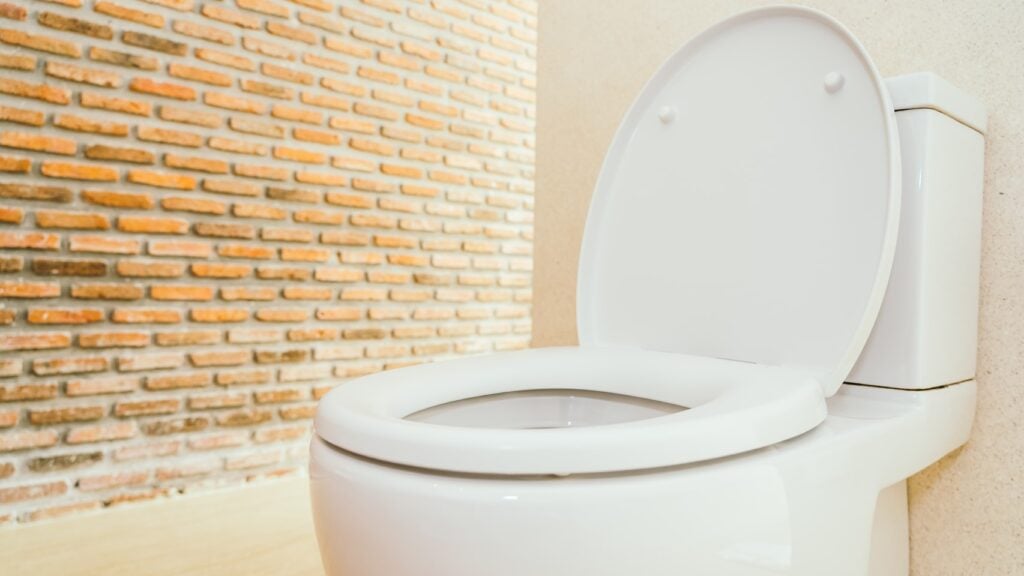
If your toilet hums when nobody has used it for hours, the tank is probably refilling itself. Water slips out, most likely past a worn flapper, and the fill valve
“Water damage accounts for nearly 24% of all insurance claims in the U.S.” That’s not just a number—it’s a quiet, creeping threat that can rot floors, collapse ceilings, and drain
Any questions?
Leave your contacts and your question, and we will contact you as soon as possible.