

Home » Blog

TThere’s nothing worse than coming home from a trip to find a hidden leak has turned your kitchen into a shallow pool. And small appliance lines—like those feeding your fridge ice maker—are often the culprits. A pinhole leak in that thin tubing can gush hundreds of gallons over a weekend. I wasn’t willing to take that chance.
That’s where a water leak detection device like the aquaHALT ICE came in. I wanted something simple, reliable, and completely automated. Here’s how I integrated it into my kitchen without calling a plumber:
Beyond the ice maker, I’ve extended my DIY water defense by adding another water leak detection device under my kitchen sink. It’s a hotspot for potential leaks—loose fittings, worn gaskets, and accidental overflows.
My maintenance routine keeps everything reliable:
Now, whether I’m away for a weekend or two weeks, I know my kitchen is protected. With the right water leak detection device, a small drip never becomes a disaster. Instead, it’s stopped before it even has a chance to cause damage.

One property. One overflowing toilet. And one very expensive mistake. That was the day I realized I needed more than just “good plumbing.” According to industry claims data, water damage is one of the top three insurance losses for rental properties. That’s not just a statistic—it’s a warning. And for me, it was also a lesson learned the hard way.
I manage several residential units, and for the most part, I trust my tenants to look after their spaces. But accidents happen. A tenant’s child once flushed a small toy, blocking the drain completely. Water kept running for hours before anyone noticed. By the time the problem was found, it had seeped into the floorboards, the subfloor, and into the unit below.
That’s when I started using an automatic water shut-off valve. Specifically, the aquaHALT Flip.
Here’s how I set it up to prevent a repeat:
The beauty of this automatic water shut-off valve is its subtlety. It doesn’t need Wi-Fi. It doesn’t depend on anyone being home. It just reacts—quietly and effectively.
Since installing aquaHALT Flip devices in all my managed units, I haven’t had a single flood from a toilet malfunction. My tenants appreciate the protection, and I appreciate the savings—not just in money, but in time, stress, and reputation.
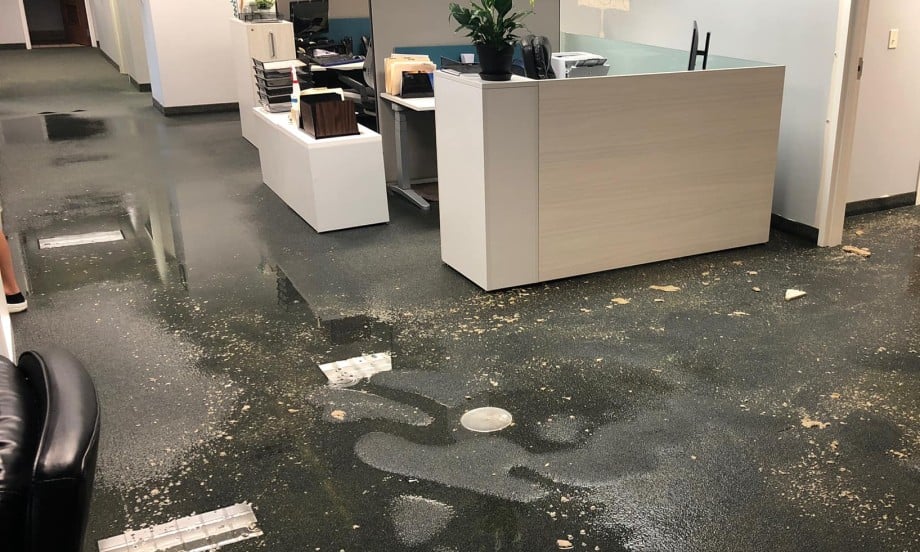
“Over $13 billion in leaks. That’s what U.S. insurers pay every year for internal water damage—just ordinary plumbing gone rogue.” When I read that figure, it didn’t just grab my attention; it made my stomach flip. Because I’d almost been that story. The one with the buckled hardwood, the mold smell, and the insurance claim that takes months to settle. But I didn’t have to be.
It happened on a Thursday night. My phone buzzed with a notification while I was in bed. I didn’t hear the drip—how could I? It was under my kitchen sink, hidden behind a pile of cleaning supplies. That tiny leak had been going for hours. Without my aquaHALT H/C, I wouldn’t have known until the following morning, when the cabinet door swelled shut from the water.
That’s why I invested in a home water leak prevention system that works automatically, even when I’m not home.
Here’s exactly how I set mine up and keep it working:
If you’ve ever dealt with a leak, you know the frustration. The insurance paperwork. The drying fans roaring in your kitchen for days. The bill that insurance doesn’t quite cover. Installing a home water leak prevention system isn’t just about saving money—it’s about buying time. It stops damage before it spirals.
Today, that under-sink drip is just a memory. I can go to bed knowing that if something goes wrong, my home water leak prevention setup steps in for me. It’s like having a night watchman who never sleeps—and never sends me an invoice.
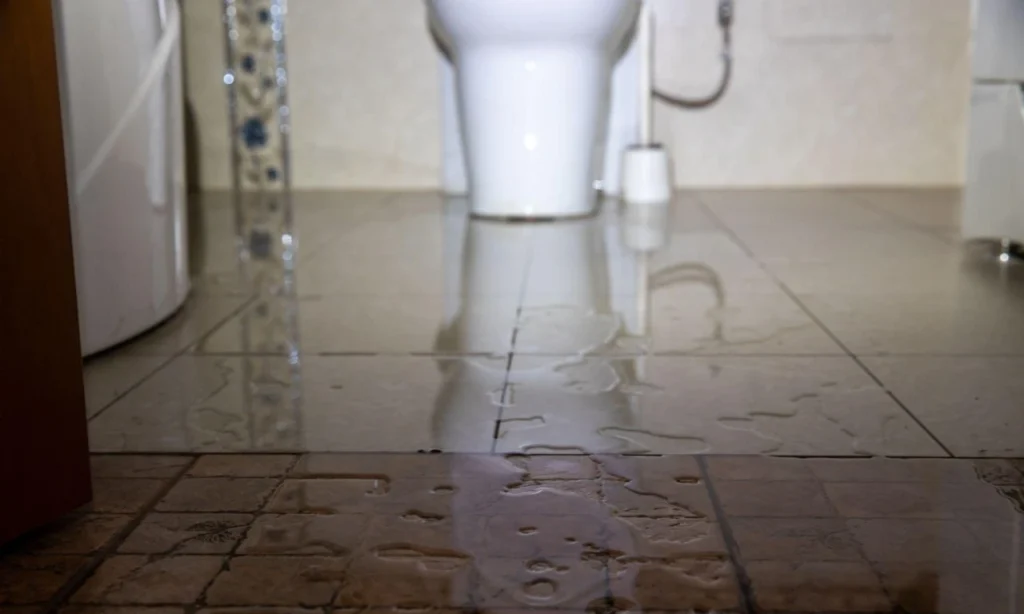
In 2023 alone, water damage in residential properties caused more than $20 billion in losses across the U.S. That’s not a freak event. That’s a pattern. One I’m not willing to be a part of — and neither should you.
Let me be blunt: leaks don’t announce themselves. They hide. Beneath your floor. Inside your walls. And by the time you notice that faint stain or warped baseboard, the damage is already done.
That’s why I installed a water damage detection system the moment I bought my home. I wasn’t waiting for a plumber’s emergency callout to ruin my weekend (and my wallet).
Leak detection technology today is smart. Discreet. Fast. These systems sense the tiniest abnormalities in water flow and sound an alarm before water finds its way to your subfloor or insulation. Some even shut off your main valve automatically.
I always tell friends and clients:
And here’s the kicker — my water damage detection setup has already paid for itself. Twice. Once when it caught a leak under my dishwasher. Again when it alerted me to a cracked hose on the garden tap before it flooded the crawl space.
You don’t need a catastrophic flood to make leak detection worth it. You just need to prevent one slow drip from becoming your next renovation project. In my book, that’s the smartest move any homeowner can make.
A reliable water damage detection system doesn’t just alert you. It buys you time — and time is everything when you’re dealing with water. Protect early. Fix fast. Sleep better.
There’s a reason water is used to shape canyons. It’s slow. Relentless. And when ignored, it can carve straight through your home’s foundation — figuratively and literally.
As a homeowner, I used to think the real threats were fire, storms, or burglars. But water? It’s patient. And that’s what makes it dangerous.
That’s where a water damage prevention system comes in. Not sexy, I’ll admit. But necessary. Because the longer a leak goes unnoticed, the more it costs. The EPA estimates that household leaks waste nearly 10,000 gallons of water per year. That’s not just wasteful. That’s expensive.
I used to scoff at the idea of installing a leak detection system. Then a leaking toilet valve soaked the ceiling below it. I spent days dealing with insurance, contractors, and the musty smell that wouldn’t go away. Now? I’m the guy who tells everyone to install a water damage prevention system before it’s too late.
Here’s the practical bit:
Leak detection doesn’t just prevent floods. It prevents mold. It protects structural integrity. It stops your home from quietly deteriorating behind the drywall.
Let’s be honest — your home is probably your biggest asset. Protect it like one. A water damage prevention system isn’t just a tool. It’s insurance that works before the damage happens. And that’s the kind of peace of mind no claim check can buy.
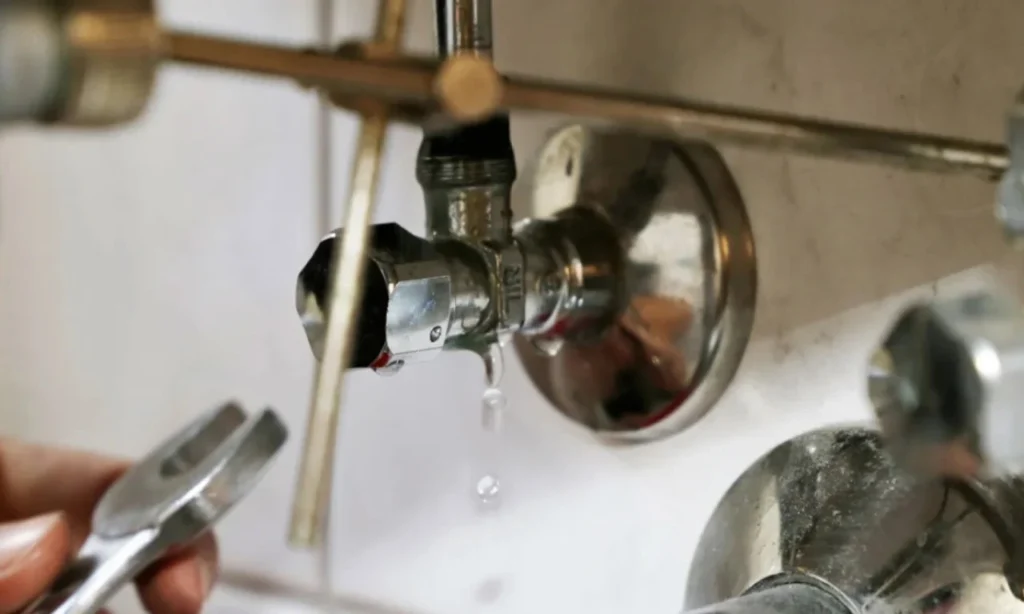
“Water is life… until it’s not.” That quote stuck with me. Because in the wrong place at the wrong time, water can quietly destroy everything you’ve built — literally. According to the Insurance Information Institute, water damage accounts for nearly 24% of all homeowner insurance claims. That’s not a fluke. It’s a warning.
Most leaks don’t roar. They whisper. Behind a wall. Under a floorboard. Drip by drip until your wooden frame swells, your paint peels, and your bank account groans. That’s why I always tell homeowners — don’t wait for a soggy ceiling. Invest in a water damage prevention system before you ever spot a leak.
Leak detection systems are no longer just for commercial buildings. Today, they’re smart, affordable, and downright essential. These systems use sensors, Wi-Fi, and even shut-off valves to stop leaks before they turn into disasters. You get alerts on your phone. You get peace of mind.
I installed a smart water damage prevention system in my own home last year. A month in, it picked up a slow drip behind my washing machine. I fixed a $5 valve before it became a $5,000 flood. That’s the kind of return on investment you can’t ignore.
So here’s what I recommend:
In a world where everything else is unpredictable, leak detection puts you back in control. And that’s not just protection — that’s prevention. A water damage prevention system doesn’t just save your home; it saves your future.
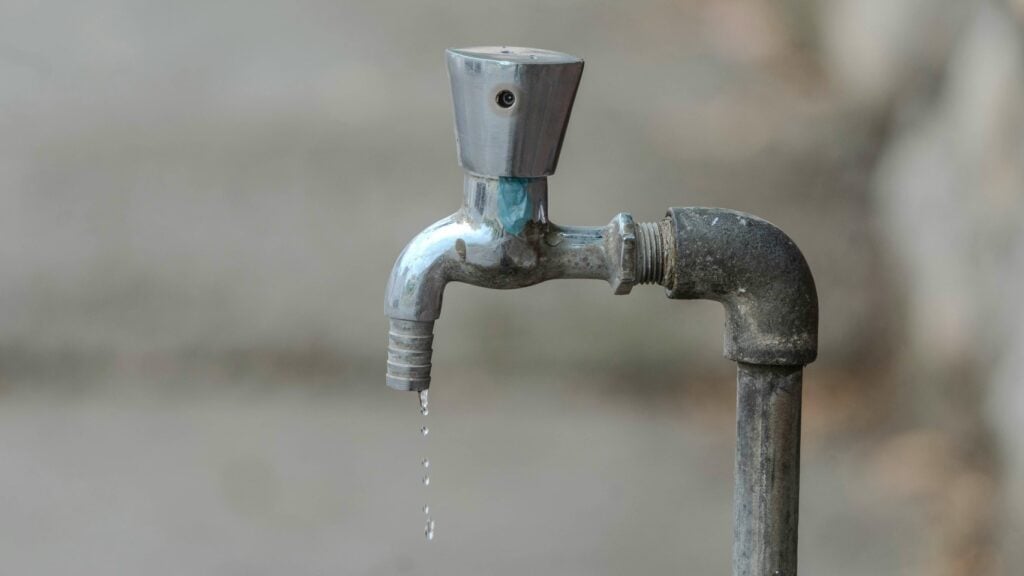
One leak. Five floors. Dozens of angry calls.
I’ve seen it happen: a cracked valve upstairs turns into a cascading nightmare below. The damage? Floors, ceilings, walls—and reputations.
This is exactly why multi-unit apartment water leak detection matters. Because water damage isn’t contained—it travels, and fast. And in a stacked structure, what starts on floor five might end up in the lobby by morning.
Let’s talk about how these systems actually work. You’ll typically have:
Here’s the magic: the system recognizes abnormal water behavior. Like a toilet that keeps running or a pipe that starts leaking at 2am. Once detected, alerts go out to whoever’s in charge—maintenance, building managers, even tenants if you set it that way.
The real benefit of multi-unit apartment water leak detection is early intervention. You don’t wait for someone to notice a water stain or dripping ceiling. You act when the problem starts.
Here’s a tip: don’t rely on alerts alone. Create a response plan. Who gets the call? Who shuts the valve? Is there someone on call 24/7?
The best setups I’ve seen use both smart technology and strong communication. The tech catches the issue. The people fix it. Without both? You’re flying blind.
One property I consulted on had zero leak detection and ended up with six affected units after one tenant left a bath running. Insurance covered some of it—but the vacancy losses and tenant churn lasted for months.
After that, they invested in a multi-unit apartment water leak detection system. And since then? Not a single major water event. The system paid for itself in six months.
Prevention isn’t about paranoia. It’s about control. And in the apartment world, control means happier tenants, lower costs, and fewer calls that start with, “There’s water coming through my ceiling.”
“Technology is best when it brings people together.” —Matt Mullenweg
And in the world of leak prevention, it’s bringing tenants, landlords, and property managers onto the same page—before things get wet.
Leaks aren’t loud. They don’t scream. They whisper—through warped floors, stained ceilings, and that creeping, sour smell of moisture. That’s where smart water leak sensors for apartments are rewriting the story.
These little devices are placed under sinks, near heaters, behind dishwashers—anywhere water can sneak out. And when they sense moisture, or abnormal temperature or humidity, they send a signal. Not later. Not when someone’s home. Instantly.
What I love about smart water leak sensors for apartments is the flexibility. You don’t need to retrofit an entire building. They’re battery-operated, Wi-Fi connected, and easily moved or replaced. That means:
In one building I worked with, a dishwasher hose snapped in a top-floor apartment while the tenant was out of town. Normally, that would’ve meant water pouring down through three levels. But a smart sensor caught it. Within minutes, maintenance was on-site, water shut off, and catastrophe avoided.
That’s the power of smart water leak sensors for apartments. They don’t just prevent damage—they preserve peace of mind. And they build trust with tenants who know their landlord or manager is actively protecting their home.
When you’re choosing a system, here’s what matters:
Technology can’t fix a leak. But it can tell you when one starts. And in the world of property management, that kind of early warning isn’t just helpful—it’s priceless.
“A 1/8-inch crack in a pipe can release up to 250 gallons of water a day.”
That number floored me. One tiny crack. Hundreds of gallons. And that’s just one day.
In an apartment building, a leak isn’t just an isolated inconvenience—it’s a chain reaction. One unit’s faulty fitting can mean soaked ceilings below, ruined floors above, and a mess of insurance claims across the board. This is why having an apartment leak detection system isn’t a luxury anymore. It’s a baseline requirement.
When I first started working with multi-residential buildings, I was surprised how many lacked any real-time leak detection. Sure, some had smoke alarms or sprinklers—but water damage, which is far more common, was often ignored.
A good apartment leak detection system uses a two-part approach:
When something goes wrong—say, continuous water flow at 3am—the system alerts tenants or managers, sometimes even triggering an automatic shut-off to prevent damage.
Here’s what I recommend:
The ROI is hard to ignore. Water damage is the second most frequent insurance claim in multi-family housing. And the cost? It climbs fast—repairs, insurance hikes, tenant disputes.
What’s encouraging is that the latest tech is becoming more affordable and easier to install, especially in existing buildings. Wireless sensors, cloud-based dashboards, and plug-and-play solutions mean you don’t need to rip open walls to install a robust apartment leak detection system.
In my view, this isn’t about over-engineering. It’s about being smart. Water doesn’t respect walls or leases. But with the right system in place, you can catch it before it catches you off guard.

“You can’t manage what you don’t monitor.”
That quote rings especially true when it comes to water leaks. They don’t follow a schedule. I’ve seen leaks go unnoticed over weekends, holidays—even long evenings—only to come back to major damage and costly downtime.
That’s why I’ve grown to rely heavily on smart water leak detection sensors. These compact, low-maintenance devices offer constant, real-time monitoring and are designed to catch leaks before they become disasters.
Here’s how they work. You place them in high-risk areas—under sinks, by water heaters, near dishwashers, HVAC units, or anywhere water damage is likely. When moisture is detected, they immediately send alerts to your phone, email, or building management system. Some models can even shut off the water supply automatically, preventing a small leak from turning into a flood.
What I love about smart water leak detection sensors is how scalable they are. Whether you’re monitoring one home or an entire office park, you can set up a network of sensors across all units, all connected to one centralized dashboard. Many operate on Wi-Fi, while larger systems use LoRaWAN for more reliable coverage across wide areas.
FM Global published a white paper on the cost-benefit of smart sensors. It outlines how effective these systems are for damage prevention—and how quickly they pay for themselves.
Setup is straightforward. Maintenance is minimal—many models last over 3 years on a single battery. And most systems today also monitor humidity and temperature, adding extra value.
If you’re responsible for protecting physical assets, data centers, or even residential properties, smart water leak detection sensors are an essential part of modern building management. They work while you sleep—and that peace of mind is worth every cent.

“What gets measured gets managed.” — Peter Drucker
But what about what can’t be seen? What if water is pooling silently behind your walls or above your ceiling tiles?
That’s where thermal imaging for water leaks becomes indispensable. It’s one of the most efficient, non-destructive tools I use when tracking hidden moisture without ripping walls apart.
Thermal imaging cameras don’t detect water directly—they pick up temperature differences. When a leak causes moisture buildup, it changes the thermal pattern of the surrounding material. Most often, the wet area is cooler due to evaporation. On a thermal camera, this appears as a distinct shape or temperature anomaly that wouldn’t be visible to the naked eye.
The best part? Scanning an entire wall or ceiling takes minutes. You immediately see what areas are likely compromised. I always verify these readings with a moisture meter to ensure accuracy—because not every cold spot is a leak. HVAC ducts or shaded exterior walls can create similar patterns.
I’ve used thermal imaging for water leaks in homes, office buildings, schools, and industrial spaces. It’s particularly useful after flooding or suspected roof leaks, where finding the origin point is critical to minimizing repair costs.
Want to see what this looks like in practice? FLIR’s building diagnostics guide shows how thermal imaging is used across different sectors.
For professionals who want faster diagnostics, more credibility with customers, and minimal disruption to properties, thermal imaging for water leaks is a must-have. It’s not just a flashy gadget—it’s a precision tool that saves money and prevents unnecessary damage.
“An undetected leak can waste up to 90 gallons of water per day.” — U.S. EPA
That’s not just wasteful. It’s expensive. It’s risky. And it can quietly destroy property if left unchecked.
As someone who deals with leak detection regularly, I’ve learned that acoustic water leak detection is one of the most precise and reliable tools in our toolbox. These devices don’t rely on visible damage. Instead, they listen—literally.
Here’s how they work.
When water escapes under pressure through a crack or joint, it creates turbulence—a distinctive noise that can be heard by sensitive equipment. That sound travels along the pipe and through the ground or building structure. Acoustic water leak detection tools use highly sensitive ground microphones and frequency filters to pick up those specific noises, filtering out background sounds.
It’s a bit like using a stethoscope for buildings. You move the sensor over the suspected area, listening for sound spikes. The loudest point usually marks the leak. The process takes experience. On busy job sites or noisy streets, being able to identify leak signatures amidst the chaos is a learned skill.
For long pipe runs, especially outdoors or underground, I often combine acoustic tools with correlators. These devices calculate the time it takes for leak sounds to reach two sensors. That pinpoint accuracy is invaluable for water mains or commercial infrastructure.
Why does this matter? Because tearing out drywall or digging without precision wastes time and money. Acoustic water leak detection offers a non-invasive, fast way to locate issues without disruption.
It’s one of those tools you don’t realize you need—until the day you do. And when that day comes, it’s the difference between a minor repair and a massive restoration bill.
Leave your contacts and your question, and we will contact you as soon as possible.