



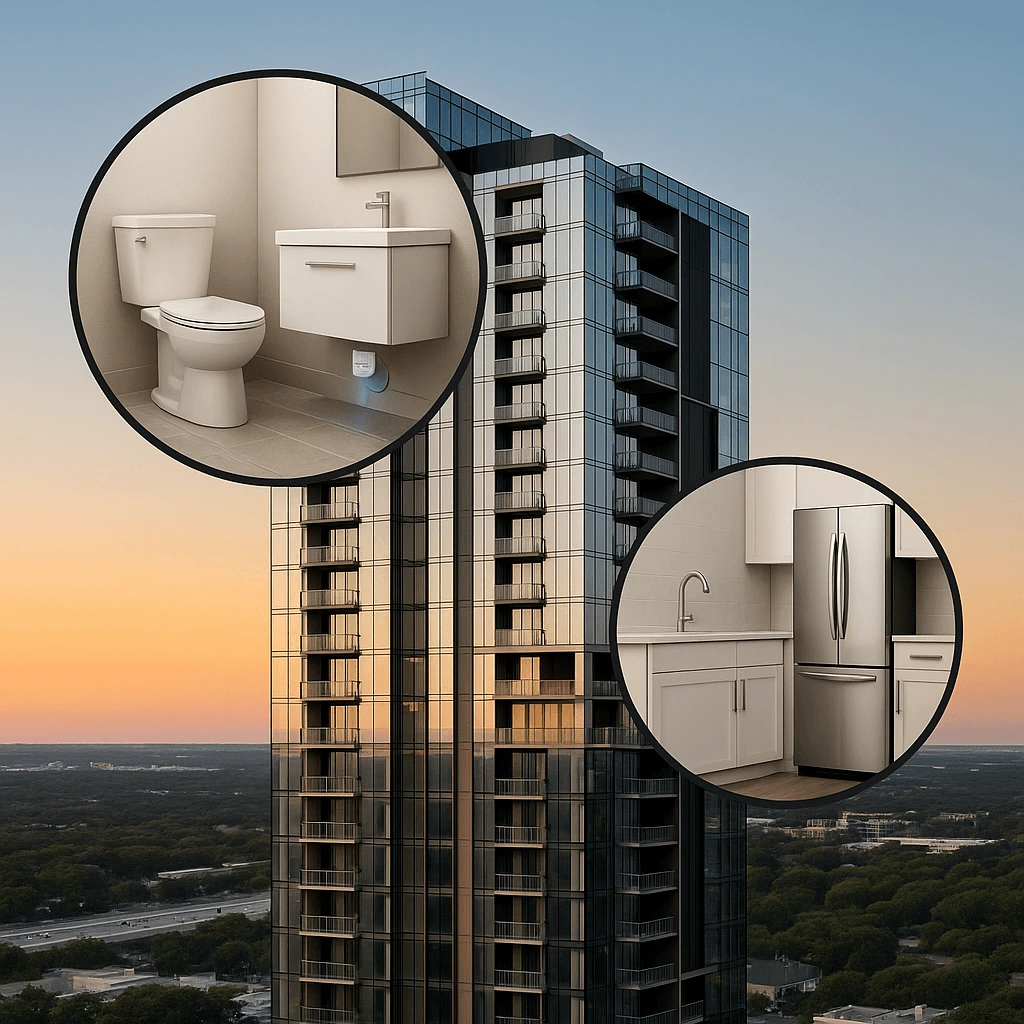

The rise of the Smart Building is fundamentally changing how commercial properties are managed, and the integration of Internet of Things (IoT) technology into water infrastructure is at the forefront of this revolution. For the modern Facility Manager (FM), IoT water management is the key to unlocking unprecedented levels of efficiency, risk mitigation, and sustainability. This guide explores how FMs can leverage IoT to transform their water systems.
What is IoT Water Management?
IoT water management in commercial buildings involves deploying a network of internet- connected sensors, meters, and control devices that collect and transmit real-time data about
water usage and system health. This data is then analyzed by cloud-based software, which uses algorithms and machine learning to identify anomalies, predict failures, and automate responses. The core components of an IoT water system include:
Smart Sensors: Devices that detect moisture, temperature, pressure, and flow rates.
Gateways/Hubs: Devices that collect data from sensors and transmit it to the cloud.
Cloud Platform: The central nervous system where data is stored, analyzed, and visualized on a facility manager dashboard.
The Strategic Advantage for Facility Managers
Integrating IoT into water management provides FMs with strategic advantages that traditional systems cannot match:
1. Superior Leak Detection and Prevention
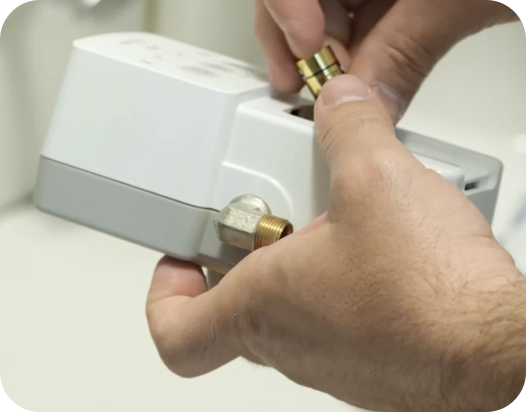
IoT sensors provide a level of sensitivity and coverage that manual inspections cannot replicate. They can detect the slightest change in flow or the presence of a few drops of water, sending an instant alert. Crucially, the system can be programmed to automatically trigger an automatic water shut-off valve, preventing a minor leak from escalating into a major flood. This capability is vital for commercial water leak detection systems.
2. Granular Data for Optimization
The continuous stream of data from IoT water sensors allows FMs to move beyond simple utility bill analysis. They can now see water consumption patterns by time of day, day of the week, and specific zone. This granular insight enables FMs to:
Validate utility bills and detect billing errors.
Identify and fix inefficient fixtures or equipment.
Optimize irrigation schedules based on real-time weather data.
3. Predictive Maintenance and System Health
Machine learning algorithms analyze the IoT data to establish a “normal” operational baseline. When a sensor detects a deviation—such as a slight, persistent drop in pressure— the system flags it as a potential issue, allowing the FM to address a failing component before it causes a system failure. This shift to predictive maintenance significantly reduces emergency repair costs and system downtime.
Implementing an IoT Water System
For FMs considering the transition to an IoT-enabled system, the process involves strategic planning:
Risk Assessment: Identify high-risk areas and critical assets (e.g., data centers, mechanical rooms) that require immediate monitoring.
Phased Deployment: Start with a pilot program in a high-risk or high-consumption area to demonstrate ROI before a full-scale rollout.
Integration: Ensure the new system can integrate seamlessly with existing Building Management Systems (BMS) for centralized control and data sharing.
Training: Train maintenance staff on how to interpret the data and respond to automated alerts effectively.
Conclusion
IoT water management is transforming the operational landscape of commercial properties. By providing FMs with real-time visibility, predictive intelligence, and automated control, it ensures that water is managed efficiently, waste is minimized, and the risk of catastrophic water damage is drastically reduced. Embracing this technology is a definitive step toward creating a truly smart building.
Contact waterAUTOMATION to learn how to integrate an IoT water management system into your smart building strategy.
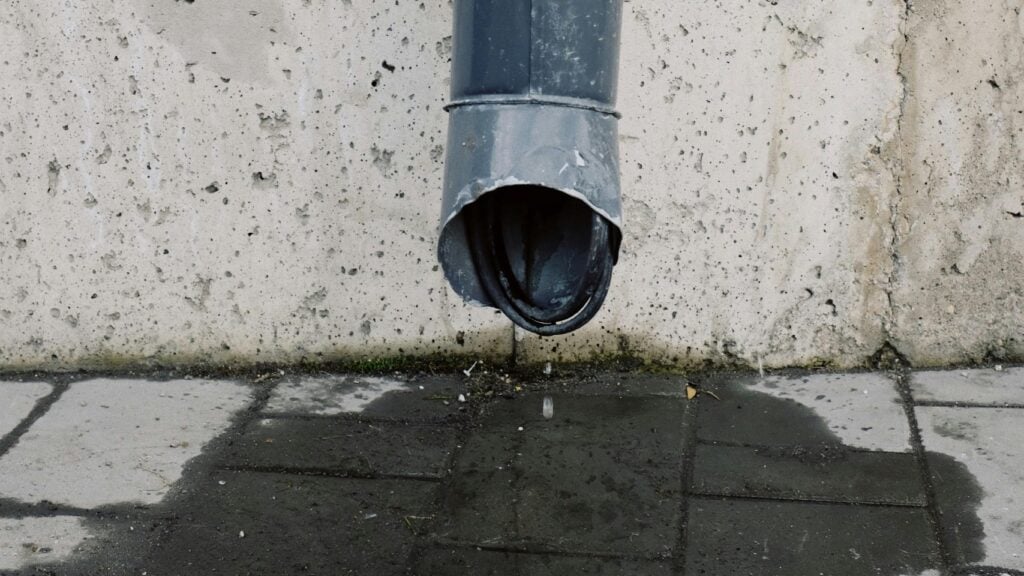
In a commercial facility, a dripping faucet or a slow-seeping pipe might seem like a minor maintenance issue. However, this perception is dangerously misleading. These seemingly insignificant small leaks are often the source of massive, hidden costs that erode a property’s profitability and compromise its structural integrity. To combat this silent threat, real-time water monitoring is not a luxury—it is an essential tool for financial and operational security.
The Financial Erosion of a Slow Drip
The cost of a small leak is a cumulative burden that manifests in three primary ways:
1. Exponential Water Waste and Utility Bills
A leak that wastes just one gallon per minute translates to 1,440 gallons per day, or over half a million gallons per year. This constant, unnecessary consumption directly inflates commercial property water bills. Because these leaks are often hidden behind walls or under floors, they can persist for months, adding thousands of dollars to utility expenses before they are manually discovered. Real-time water monitoring systems, equipped with smart water meters, instantly flag this continuous, abnormal flow, allowing facility managers to stop the waste immediately.
2. Structural Damage and Mold Proliferation
Water follows the path of least resistance, and a slow leak can saturate building materials over time. This leads to:
Asset Damage: Leaks near sensitive equipment, inventory, or tenant property can lead to expensive replacement costs and potential liability claims.
Structural Damage: Rotting wood, compromised drywall, and corroded metal supports.
Mold Growth: Persistent dampness creates the ideal environment for mold and mildew, which require costly, specialized remediation and pose significant health risks to occupants.
3. Increased Insurance and Maintenance Expenses
A history of water damage claims inevitably leads to higher commercial property insurance premiums. Furthermore, the reactive nature of fixing a small leak after it has caused damage—involving demolition, drying, and reconstruction—is far more expensive than a simple, proactive plumbing repair.
The Solution: Real-Time Water Monitoring
The only effective defense against the hidden costs of water leaks is continuous, real-time monitoring. This technology transforms water management from a reactive chore into a proactive, data-driven system.
Monitoring Feature
How It Combats Hidden Costs
Flow Anomaly Detection
Identifies continuous, low-level flow that indicates a hidden leak, preventing months of wasted water and inflated bills.
Spot Sensor Alerts
Detects the first few drops of water in high-risk areas (e.g., under sinks, near water heaters), preventing saturation and mold growth.
Pressure Monitoring
Flags subtle pressure drops that can indicate a developing pipe breach, allowing for repair before a catastrophic burst.
Automated Shut- Off
Instantly isolates the problem area or shuts off the main supply, ensuring that a small leak does not become a major flood.
Conclusion
Small leaks are not small problems; they are a continuous drain on a commercial property’s finances and a long-term threat to its physical structure. By implementing a real-time water monitoring system, facility managers gain the visibility and control necessary to eliminate water waste, prevent structural damage, and protect their assets. This proactive investment is the most effective way to ensure operational efficiency and secure the long-term value of the property.
Discover how waterAUTOMATION‘s real-time monitoring solutions can uncover and eliminate the hidden costs of small leaks in your commercial facility.
The role of the Facility Manager (FM) is complex, demanding a constant balance between operational efficiency, cost control, and risk mitigation. Historically, water management has been a source of unpredictable emergencies and reactive maintenance. Today, a growing number of FMs are adopting water automation systems as a transformative tool, recognizing that these systems are essential for moving from a reactive, crisis-driven model to a proactive, data-driven management strategy.
The Facility Manager’s Water Management Challenges
Facility managers face a unique set of challenges when it comes to water infrastructure:
Unpredictable Emergencies: Water leaks and floods are among the most disruptive and costly emergencies, leading to tenant complaints, business interruption, and massive insurance claims.
Aging Infrastructure: Many commercial buildings rely on decades-old plumbing that is prone to failure, requiring constant, expensive repairs.
Lack of Visibility: Without real-time monitoring, FMs are blind to slow leaks and inefficiencies until the monthly water bill arrives or physical damage becomes apparent.
Pressure for Sustainability: FMs are increasingly tasked with meeting corporate sustainability goals and demonstrating measurable reductions in resource consumption.
How Water Automation Empowers Facility Managers
Water automation directly addresses these pain points, providing FMs with the control, data, and peace of mind they need to excel:
1. 24/7 Remote Monitoring and Instant Alerts
The most immediate benefit is the elimination of the “blind spot.” Automated water systems use a network of sensors to monitor the entire water infrastructure continuously. FMs receive instant, precise alerts via a cloud-based dashboard or mobile app the moment an anomaly is detected. This capability allows for remote access to building systems, enabling a response within minutes, regardless of the FM’s physical location.
2. Predictive Maintenance Capabilities
Automation shifts the focus from fixing failures to preventing them. By analyzing data on water pressure, flow rates, and temperature, the system can identify subtle changes that indicate a potential problem—such as a failing pump or a pipe under stress—before a
catastrophic failure occurs. This predictive maintenance approach allows FMs to schedule repairs during planned downtime, minimizing disruption and reducing emergency repair costs.
3. Detailed Reporting for Compliance and Decision-Making
The system generates detailed, auditable reports on water consumption, leak events, and system performance. This data is invaluable for:
Capital Planning: Justifying investments in infrastructure upgrades by demonstrating the ROI of water conservation efforts.
Budgeting: Accurately forecasting water utility expenses.
Compliance: Providing verifiable data for environmental and sustainability reporting.
4. Enhanced Tenant and Staff Safety
By preventing major water damage, FMs ensure a safer, healthier environment for tenants and staff. Avoiding mold growth, slip-and-fall hazards from leaks, and major service interruptions contributes directly to tenant satisfaction and retention.
Conclusion
Facility managers adopting water automation gain control, efficiency, and peace of mind, making it a must-have for modern commercial buildings.
Schedule a consultation with waterAUTOMATION to explore customized water automation solutions that will simplify your job and enhance your building’s performance.
Water conservation is a critical component of modern corporate responsibility and a direct path to significant operational savings. For commercial buildings, water waste is often an invisible drain on resources, stemming from undetected leaks, inefficient systems, and outdated practices. Automated water systems provide the most effective solution, transforming a building’s water usage from a source of waste into a model of efficiency and sustainability.
The Invisible Problem: Common Causes of Commercial Water Waste
While a burst pipe is an obvious disaster, the majority of water waste in commercial properties comes from chronic, low-level issues that go unnoticed:
Undetected Leaks: Small leaks in hidden pipes, toilets, or irrigation systems can waste thousands of gallons daily. A single running toilet can waste up to 200 gallons of water per day.
Inefficient Fixtures and Systems: Older plumbing fixtures, cooling towers, and irrigation systems often operate far below peak efficiency, consuming more water than necessary.
Lack of Real-Time Data: Without continuous monitoring, facility managers rely on monthly bills, which only confirm that waste has occurred, offering no insight into where or when the waste happened.
How Water Automation Drives Efficiency
Automated water systems address these issues by providing a continuous, data-driven approach to water management:
1. Instant Leak Detection and Mitigation
The core function of automation is to eliminate the waste caused by leaks. Smart water meters and flow sensors establish a baseline of normal water usage. Any deviation from this
pattern—such as continuous flow during non-operational hours—triggers an immediate alert. When combined with automatic shut-off valves, the system can stop the flow of water instantly, preventing ongoing waste and damage.
2. Granular Consumption Tracking
Automated systems provide data dashboards that track consumption at a granular level—by floor, zone, or even individual fixture. This level of detail allows facility managers to pinpoint the exact source of inefficiency, whether it is a faulty toilet in a specific restroom or an over-irrigating sprinkler zone. This data is invaluable for targeted maintenance and capital improvements.
3. Optimization of Water-Intensive Systems
Systems like cooling towers and landscape irrigation are major water consumers. Automation allows for the integration of smart controls that adjust water usage based on real-time environmental conditions (e.g., weather data, humidity) and system performance, ensuring that water is only used when and where it is absolutely necessary.
The Benefits of Water Conservation
The implementation of automated water conservation strategies yields multiple benefits:
Benefit Category
Description
Impact
Financial
Direct reduction in water and sewer utility bills; avoidance of costly leak damage and remediation.
Significant reduction in operational expenses and a clear ROI.
Environmental
Reduced strain on local water resources; improved corporate image and compliance with sustainability metrics.
Demonstrates commitment to environmental stewardship.
Operational
Shift from reactive to predictive maintenance; better resource allocation for facility staff.
Enhanced efficiency and reduced risk of unexpected downtime.
Conclusion
Automated systems are the most effective way to reduce water waste while protecting commercial properties.
Request a demo from waterAUTOMATION to see how our automated systems can reduce water waste and enhance the sustainability of your commercial property.
In any commercial facility, certain zones present a disproportionately high risk for water damage. These high-risk water leak zones—such as mechanical rooms, kitchens, and basements—are often out of sight and contain critical infrastructure, making a leak in these areas particularly destructive and costly. Effective water damage prevention requires a targeted, automated strategy that focuses on continuous monitoring and rapid response in these vulnerable locations.
Identifying High-Risk Water Leak Zones
A proactive facility manager must first identify and prioritize the areas in the building most susceptible to leaks and the most likely to cause significant damage:
High-Risk Zone
Primary Water Sources
Risk Factor
Mechanical/Boiler Rooms
Boilers, water heaters, HVAC systems, main water lines, pumps.
High-pressure systems and large volumes of water can cause rapid, catastrophic flooding.
Restrooms
Toilets, sinks, supply lines.
High traffic and potential for fixture failure or misuse.
Data Centers/Server Rooms
HVAC cooling units, fire suppression systems.
Water damage here can lead to the loss of critical data and massive business interruption costs.
Prone to flooding from external sources and leaks that can go unnoticed due to low traffic.
Targeted Prevention Strategies with Automation
The most effective way to secure these zones is through the strategic deployment ofwater automation systems designed for localized, immediate action.
1. Strategic Sensor Placement
Instead of relying on a single, whole-building sensor, deploy multiple moisture sensors and spot leak detectors directly beneath or around potential sources:
Under every sink and appliance in kitchens and break rooms.
Around the base of boilers, water heaters, and pumps in mechanical rooms.
Near floor drains and along the perimeter walls of basements. These sensors provide instant alerts the moment water is detected, pinpointing the exact location of the failure.
These sensors provide instant alerts the moment water is detected, pinpointing the exact location of the failure.
2. Automatic Shut-Off Valves at the Source
The most critical prevention measure is the installation of automatic shut-off valves on the supply lines feeding these high-risk areas. When a sensor detects water, the system should be programmed to immediately close the valve to that specific zone. This action isolates the leak, preventing a continuous flow of water and dramatically limiting the total volume of damage. For instance, a small valve on an ice maker line can prevent thousands of gallons of water from flooding a kitchen.
3. Monitoring Environmental Conditions
Beyond detecting water, automation systems can monitor other environmental factors that contribute to leaks:
Humidity: High, persistent humidity can indicate a hidden pipe leak or condensation issue.
Temperature: Extreme cold can signal a risk of frozen pipes, while high temperatures can indicate a system malfunction.
Conclusion
Targeting high-risk areas with automated water management prevents serious damage and ensures building safety.
Learn more about high-risk area monitoring and targeted water damage prevention solutions with waterAUTOMATION.
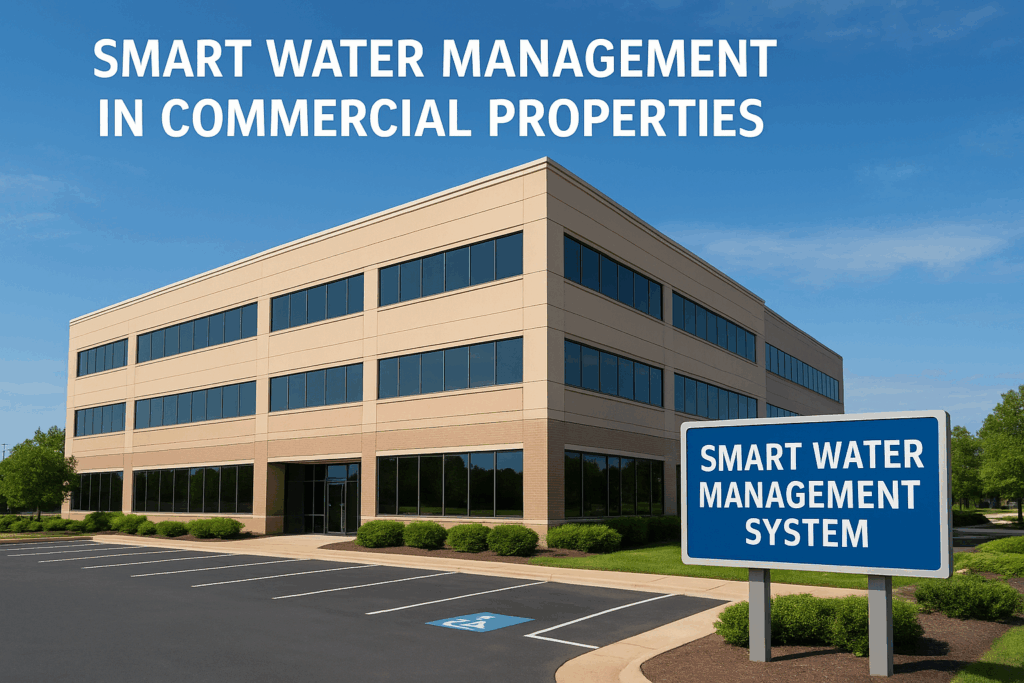
Smart water management is no longer a luxury but a necessity for modern commercial properties. As operating costs rise and environmental regulations tighten, facility managers are seeking intelligent, data-driven solutions to optimize water usage, prevent damage, and enhance building efficiency. A comprehensive water automation system provides the framework for this transformation, turning a building’s water infrastructure into a responsive, intelligent network.
What is Smart Water Management?
Smart water management in commercial properties is the application of Internet of Things (IoT) technology, data analytics, and automation to monitor, control, and optimize water consumption and distribution within a building. It moves beyond simple metering to create a holistic system that can detect anomalies, predict failures, and automate responses.
The system is built on three core pillars:
1. Sensing and Data Collection: Deploying IoT water sensors (flow, pressure, temperature, moisture) throughout the property to gather real-time data. 2. Analysis and Intelligence: Using cloud-based platforms and machine learning to analyze data, establish baseline usage patterns, and identify deviations that signal leaks or inefficiencies. 3. Automation and Control: Implementing automatic water shut-off valves and other control mechanisms that can respond instantly to detected issues without human intervention.
Key Components of a Smart Water System
Component
Function
Smart Water Management Benefit
Smart Water Meters
Measure and transmit real-time consumption data for the entire building or specific zones.
Provides granular data for billing verification and identifying high- usage areas.
Leak Detection Sensors
Spot sensors placed in high-risk areas (e.g., kitchens, mechanical rooms) to detect water on the floor.
Immediate, localized alerts to prevent small leaks from becoming major floods.
Automatic Shut- Off Valves
Shut- Off Valves Installed on main lines or individual fixtures, they automatically cut off water supply upon leak detection.
Prevents catastrophic water damage and minimizes business interruption.
Cloud-Based Dashboard
Centralized platform for facility managers to view real-time data, manage alerts, and generate reports.
Enables remote monitoring and data- driven decision-making for optimization.
Benefits for Commercial Properties
Implementing a smart water management system delivers multifaceted benefits that impact the bottom line and operational efficiency:
1. Cost Reduction and ROI
The most immediate benefit is the reduction in utility bills by eliminating water waste from undetected leaks and optimizing usage in systems like cooling towers and irrigation. The prevention of a single major flood can often cover the entire cost of the system, providing a rapid ROI.
2. Enhanced Asset Protection
By providing 24/7 monitoring and instant shut-off capabilities, the system acts as a constant guardian, protecting the building structure, expensive equipment, and tenant assets from water damage.
3. Sustainability and Compliance
The detailed data provided by the system allows properties to accurately measure and report on water conservation efforts, supporting corporate sustainability initiatives and ensuring compliance with local environmental regulations.
4. Operational Efficiency
Facility managers gain a powerful tool for predictive maintenance. Instead of reacting to failures, they can use data trends to schedule repairs before a component fails, leading to less downtime and more efficient resource allocation.
Conclusion
Smart water management is a necessity for modern commercial properties. Automated systems provide efficiency, cost savings, and peace of mind.
Contact waterAUTOMATION to design a smart water management system tailored for your commercial property and unlock the full potential of water efficiency.
For commercial property owners and facility managers, the threat of water damage is a constant, often underestimated, risk. A single, undetected leak can quickly transition from a minor annoyance to a catastrophic financial event. Implementing an automated water leak detection system is not just a best practice; it is a critical financial strategy that provides a significant return on investment (ROI) by mitigating the substantial cost of water damage in commercial settings.
The True Cost of Water Damage
Cost Category
Description
Potential Financial Impact
Direct Costs
Plumbing repairs, structural remediation, drying and dehumidification, replacement of damaged assets (e.g., furniture, inventory, equipment).
Thousands to hundreds of thousands of dollars, depending on severity.
Indirect Costs
Business interruption, loss of revenue due to downtime, increased insurance premiums, potential litigation, and loss of tenant goodwill.
Can exceed direct costs, especially for critical facilities like data centers or retail spaces.
Hidden Costs
Mold remediation, increased utility bills from wasted water, and long-term damage to building integrity.
Ongoing, often undetected expenses that compound over time.
The Power of Automated Detection
Traditional water management relies on human inspection or the visible signs of damage—a reactive approach that guarantees delay. Automated leak detection for business fundamentally changes this paradigm by employing a network of sensors and smart meters to provide real-time monitoring.
These systems use sophisticated technology to detect irregularities: •Flow Sensors: Monitor water flow in the main supply line. An unusual, continuous flow during off-hours, for example, immediately signals a potential leak. •Spot Sensors: Placed in high-risk areas (boiler rooms, near water heaters, under sinks), these detect the presence of even a few drops of water on the floor. •Pressure Sensors: Monitor system pressure to identify drops that may indicate a breach in the piping network.
The key benefit is speed. An automated system can detect a leak within seconds and send an instant alert via email or SMS, often before the leak has caused any visible damage. When paired with an automatic water shut-off valve, the system can isolate the problem area or shut off the main water supply entirely, preventing further damage.
Quantifying the Savings
The savings generated by an automated water leak detection system are realized in several key areas: 1. Reduced Repair and Remediation Costs: By catching a leak early, a facility manager can replace a small section of pipe and dry a localized area, rather than facing a full-scale structural repair and mold remediation project. 2. Lower Utility Bills: Undetected leaks can waste hundreds of thousands of gallons of water annually. Real-time monitoring eliminates this waste, leading to a measurable reduction in water consumption and utility expenses. 3. Minimized Business Interruption: For a commercial operation, downtime is a direct loss of revenue. Preventing a major flood means avoiding facility closure, maintaining operational continuity, and protecting critical assets. 4. Insurance Premium Mitigation: Many commercial insurers offer reduced premiums or deductibles for properties that install approved, comprehensive water automation and shut-off systems, recognizing the significant reduction in risk.
Conclusion
Ignoring small leaks can lead to massive financial losses. Implementing a water leak detection system is a proactive step to safeguard your property and save money in the long run.
Schedule a consultation with waterAUTOMATION to protect your building from costly water leaks and start saving thousands today.
Many US homeowners are shocked to learn their insurance won’t pay for common types of water damage. Discover what’s excluded, why claims get denied, and how simple preventive tools — like standalone automatic shut-off devices — help close the coverage gap.
Why So Many US Homeowners Get Blindsided by Denied Water-Damage Claims Water damage is one of the most common and most expensive home risks in the US — yet many homeowners believe their insurance covers any leak. It doesn’t. The Insurance Information Institute reports that over 20% of water-damage claims are denied, mostly for leaks that are slow, preventable, or maintenance-related. Here’s the painful truth: A tiny drip you didn’t see last month can easily turn into a $10,000+ repair — with zero insurance coverage. This is where prevention becomes more than a convenience—it becomes a financial safety net. This guide breaks down the most common exclusions, why insurers deny claims, and how simple, reliable prevention tools can protect you long before a leak becomes a nightmare. Common Water-Damage Exclusions in US Home Insurance Policies Most US insurers separate water damage into two categories:
Sudden & accidental = usually covered
Gradual or preventable = usually excluded Here’s how that plays out in real homes.1. Slow, Hidden, or Gradual Leaks — Usually Excluded Common examples:
A drip under the kitchen sink soaking the cabinet
A slow leak from a toilet supply line
A cracked fridge water line leaking behind a wall
A water heater rusting out over time Insurers label these as maintenance issues — meaning the homeowner “should have noticed” earlier. Why prevention matters: A standalone automatic shut-off device like aquaHalt catches the leak immediately, stopping the kind of long-term damage insurers reject.
Mold Caused by Untreated Moisture — Often Capped or Excluded Many policies limit mold coverage to $2,000–$5,000, and if the mold grew because a leak went unnoticed? The entire claim can be denied.
Repeated Leak Events — Denied as “Neglect” If the home has a pattern of leaks or plumbing problems, insurers may deny future claims unless you’ve taken preventive steps. Installing leak-prevention devices becomes powerful documentation here.
Outdoor Plumbing Damage — Frequently Excluded Especially during winter. Examples:
Frozen hosebibs
Burst irrigation lines
Outdoor laundry hookups
Damaged pool supply lines Since most outdoor freeze issues are considered preventable, insurers often refuse payment.
5. Leaks While the Home Is Vacant or Unattended If you’re away for days or weeks and a leak occurs, insurers can deny coverage if there were no safeguards in place. This is where an always-on, no-Wi-Fi-required shut-off system becomes essential. Real Examples of Denied Claims (Based on Common US Cases) These scenarios happen every single day: Example 1 — $15,400 Denied: Slow Dishwasher Leak Tiny hose leak behind the cabinet. Insurer’s ruling: gradual damage. Example 2 — $8,700 Denied: Toilet Valve Failure Slow seepage across the bathroom floor overnight. Insurer’s ruling: wear and tear. Example 3 — $12,200 Denied: Frozen Hosebib Outdoor spigot wasn’t insulated. Insurer’s ruling: preventable. Winter is the worst season for claims like these — and the worst season for denials. How Leak-Prevention Devices Strengthen Insurance Protection Installing preventive tools does two important things:
Improves Your Odds of Claim Approval If a leak still occurs, insurers view prevention as evidence of:
responsible maintenance
quick response
reduced negligence
Reduces the Number of Exclusions That Apply If water shuts off immediately, the damage becomes:
accidental
well-documented
sudden
May Qualify You for Premium Discounts Some US insurers offer discounts for automatic shut-off systems. But even without discounts, the ROI is huge: One prevented leak can save thousands. Why Standalone Shut-Off Devices Like aquaHalt Are Ideal for Insurance Protection Most smart leak devices rely on:
Wi-Fi
Cloud apps
Phone alerts
Electrical power But when do leaks happen? During outages, storms, and winter freezes — the exact moments technology fails. aquaHalt takes a simpler, insurance-friendly approach: ✓ No Wi-Fi or Cloud Needed Works during power or internet outages. ✓ Automatic Shut-Off at the Source Exactly what insurance adjusters want to see. ✓ Local Audible Alarm Easy proof of detection and response. ✓ Set-and-Forget Reliability Runs on long-lasting AA batteries. No subscriptions. No updates. No complexity. This checks every box insurers use to determine whether a homeowner acted responsibly. A little documentation goes a long way.
Keep a Simple Maintenance Log Even a phone note works: “Installed aquaHalt under kitchen sink — Feb 2025.”
Save All Receipts Preventive investments show responsible ownership.
Ask Your Insurance Agent to Note the Upgrades Agents can document your prevention steps in your policy file. Featured Snippet Box: What Home Insurance in the USA Typically Doesn’t Cover Home insurance usually does not cover:
gradual leaks or long-term dripping
mold from untreated moisture
wear-and-tear plumbing failures
preventable freeze damage
outdoor plumbing issues
leaks while the home is vacant without safeguards
Close the Coverage Gap Before It Costs You Thousands Insurance won’t cover everything — but prevention often does. By installing a simple, automatic shut-off device, you reduce:
denied claims
out-of-pocket repair costs
mold remediation bills
expensive restoration work A small leak can create a big financial problem — but a small device can stop it before it starts. To learn more about installing reliable leak-prevention tools, explore waterautomation.com or talk to your local plumbing professional.
Hidden plumbing leaks are one of the costliest threats to American homes
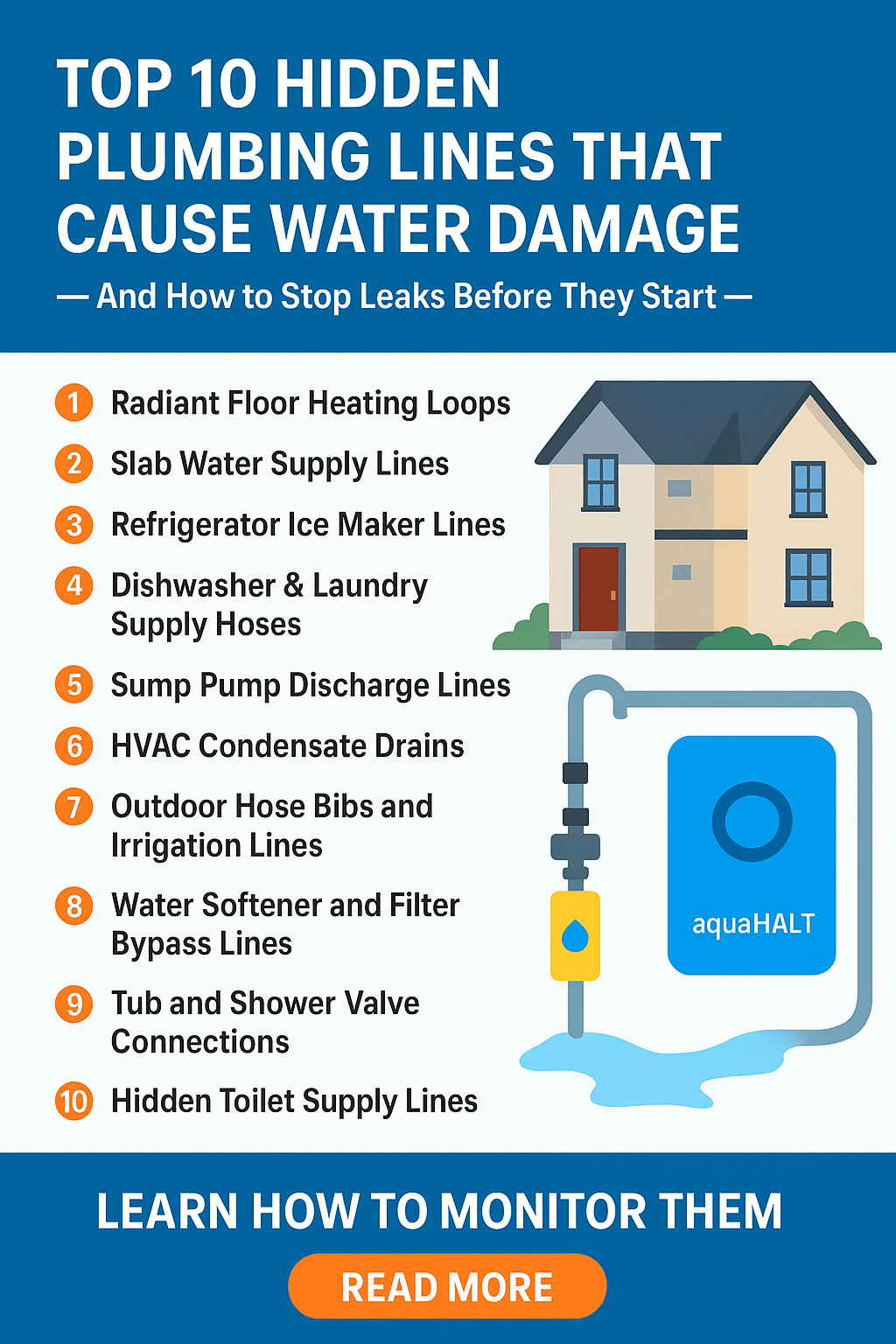
Top 10 Hidden Plumbing Lines That Cause Water Damage — And How to Stop Leaks Before They Start
Introduction
Hidden plumbing leaks are one of the costliest threats to American homes. According to the Insurance Information Institute, water damage accounts for nearly 24% of all home insurance claims in the US, with average repair costs ranging from $3,000–$10,000. The culprit? Not always burst pipes — often, it’s leaks buried in slabs, floors, or behind walls that go unnoticed for months.
Below are the 10 most overlooked plumbing lines that can silently destroy property — and how smart detection tools like aquaHALT can help you stay ahead.
1. Radiant Floor Heating Loops
Why they leak: Corrosion or pressure buildup over time. Risk: Hard to spot since pipes are embedded under tile or concrete. Monitoring Tip: Use moisture sensors along baseboards near heated areas; install shut-off devices that respond instantly when leaks start.
2. Slab Water Supply Lines
Why they leak: Movement in foundations or aging copper lines. Monitoring Tip: Look for warm spots on the floor or unexplained spikes in water bills. Pair these with an aquaHALT shut-off system to stop water flow automatically when abnormal patterns occur.
3. Refrigerator Ice Maker Lines
Often small and plastic, these lines crack or disconnect easily. A slow drip can rot cabinetry or floors within weeks. Prevention: Add a leak detector like aquaHALT ICE, designed for ice-maker fittings under sinks or behind fridges.
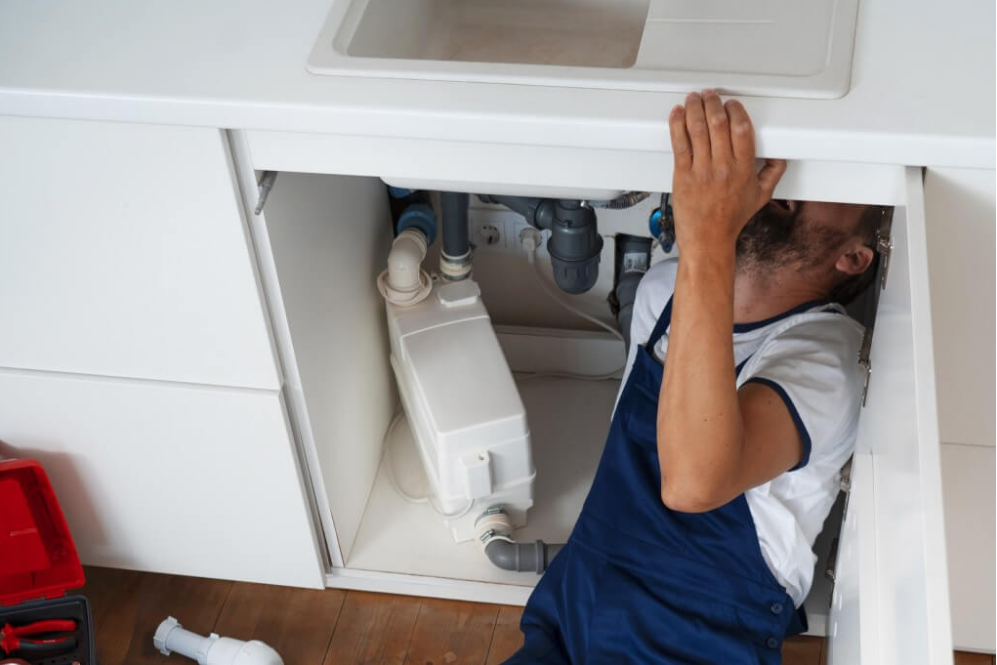
4. Dishwasher & Laundry Supply Hoses
These operate under constant pressure and can burst. Tip: Replace every 5 years and use sensors near connections. Visit aquaHALT H/C – Sink Protection to find the right device for your need.
5. Sump Pump Discharge Lines
When partially blocked or frozen, they can backflow and flood basements. Monitor: Regularly inspect outdoor discharge points and use moisture sensors near the sump area.
6. HVAC Condensate Drains
Common in humid regions like the Southeast US. Why it matters: Clogged drain pans overflow, damaging drywall. Prevention: Annual maintenance plus under-unit leak detection.
7. Outdoor Hose Bibs and Irrigation Lines
Cracks from winter freezes are common. Regional Tip: In colder states (e.g., Minnesota, Michigan), disconnect hoses before winter and insulate bibs.
8. Water Softener and Filter Bypass Lines
Small, flexible tubes can leak unnoticed in basements or utility rooms. Tip: Place a sensor under each connection and test monthly.
9. Tub and Shower Valve Connections
Leaks here travel behind walls. Detection: Install small floor-level sensors in adjacent rooms, especially on upper floors.
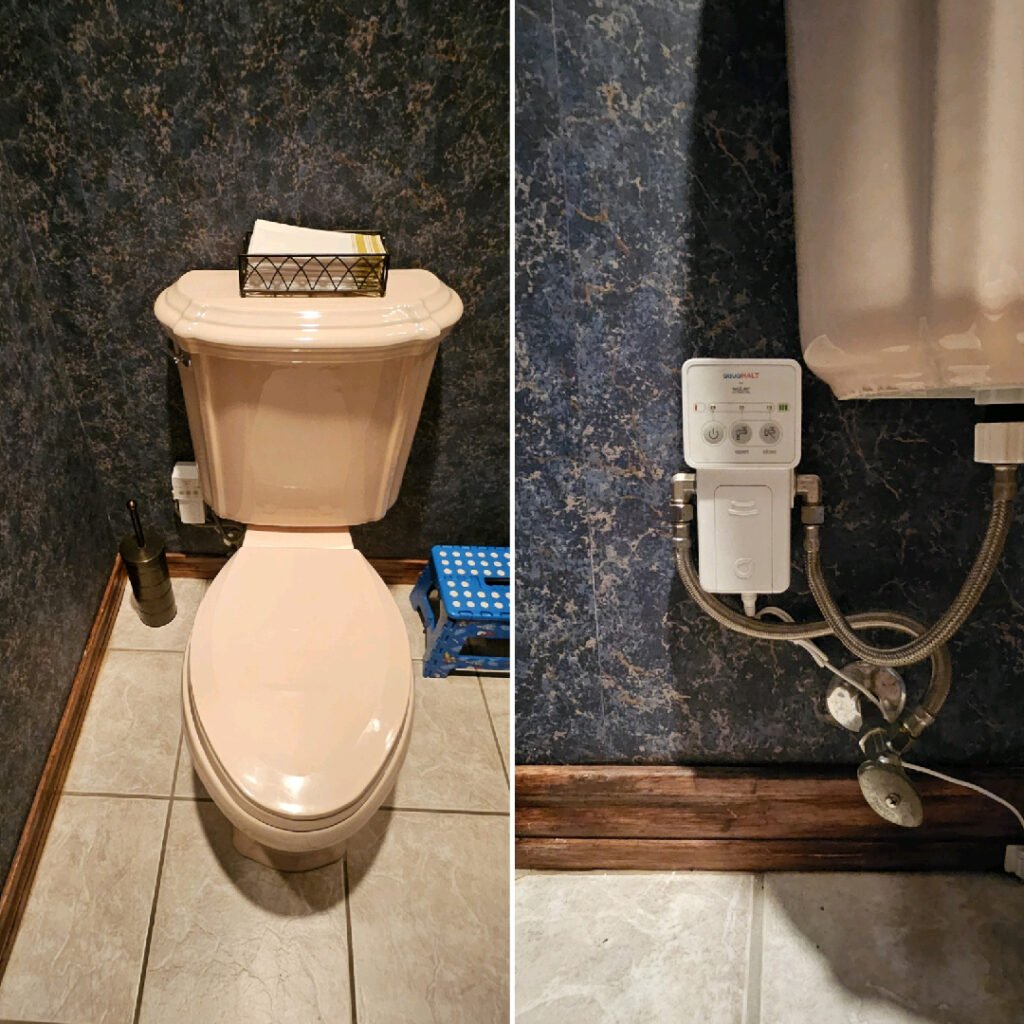
10. Hidden Toilet Supply Valves
A notorious culprit for overnight flooding. Solution: The aquaHALT 2X or Flip models automatically detect leaks and shut off the water before overflow occurs.
Case Study – The Cost of a Hidden Leak
A family in Dallas, TX discovered a slab leak only after noticing a $200 jump in their water bill. Repairs required concrete cutting and floor replacement — costing over $7,500. A $165 or less shut-off device could have prevented 95% of that damage.
Identify all water lines running under floors or behind walls.
Install smart leak sensors at low points (e.g., baseboards, near valves).
Test your system monthly.
Pair with aquaHALT shut-off valves for automatic protection.
Review data via app or indicator lights to ensure coverage.
Important to know
Hidden leaks can strike any home — but you can prevent costly disasters before they start. Equip your home with aquaHALT protection today and gain peace of mind knowing your plumbing system is monitored 24/7.
Top 10 Hidden Plumbing Lines That Cause Water Damage — And How to Stop Leaks Before They Start
Introduction
Hidden plumbing leaks are one of the costliest threats to American homes. According to the Insurance Information Institute, water damage accounts for nearly 24% of all home insurance claims in the US, with average repair costs ranging from $3,000–$10,000. The culprit? Not always burst pipes — often, it’s leaks buried in slabs, floors, or behind walls that go unnoticed for months.
Below are the 10 most overlooked plumbing lines that can silently destroy property — and how smart detection tools like aquaHALT can help you stay ahead.
1. Radiant Floor Heating Loops
Why they leak: Corrosion or pressure buildup over time. Risk: Hard to spot since pipes are embedded under tile or concrete. Monitoring Tip: Use moisture sensors along baseboards near heated areas; install shut-off devices that respond instantly when leaks start.
2. Slab Water Supply Lines
Why they leak: Movement in foundations or aging copper lines. Monitoring Tip: Look for warm spots on the floor or unexplained spikes in water bills. Pair these with an aquaHALT shut-off system to stop water flow automatically when abnormal patterns occur.
3. Refrigerator Ice Maker Lines
Often small and plastic, these lines crack or disconnect easily. A slow drip can rot cabinetry or floors within weeks. Prevention: Add a leak detector like aquaHALT ICE, designed for ice-maker fittings under sinks or behind fridges.
4. Dishwasher & Laundry Supply Hoses
These operate under constant pressure and can burst. Tip: Replace every 5 years and use sensors near connections. Visit aquaHALT H/C – Sink Protection to find the right device for your need.
5. Sump Pump Discharge Lines
When partially blocked or frozen, they can backflow and flood basements. Monitor: Regularly inspect outdoor discharge points and use moisture sensors near the sump area.
6. HVAC Condensate Drains
Common in humid regions like the Southeast US. Why it matters: Clogged drain pans overflow, damaging drywall. Prevention: Annual maintenance plus under-unit leak detection.
7. Outdoor Hose Bibs and Irrigation Lines
Cracks from winter freezes are common. Regional Tip: In colder states (e.g., Minnesota, Michigan), disconnect hoses before winter and insulate bibs.
8. Water Softener and Filter Bypass Lines
Small, flexible tubes can leak unnoticed in basements or utility rooms. Tip: Place a sensor under each connection and test monthly.
9. Tub and Shower Valve Connections
Leaks here travel behind walls. Detection: Install small floor-level sensors in adjacent rooms, especially on upper floors.
10. Hidden Toilet Supply Valves
A notorious culprit for overnight flooding. Solution: The aquaHALT 2X or Flip models automatically detect leaks and shut off the water before overflow occurs.
Case Study – The Cost of a Hidden Leak
A family in Dallas, TX discovered a slab leak only after noticing a $200 jump in their water bill. Repairs required concrete cutting and floor replacement — costing over $7,500. A $165 or less shut-off device could have prevented 95% of that damage.
Identify all water lines running under floors or behind walls.
Install smart leak sensors at low points (e.g., baseboards, near valves).
Test your system monthly.
Pair with aquaHALT shut-off valves for automatic protection.
Review data via app or indicator lights to ensure coverage.
Important to know
Hidden leaks can strike any home — but you can prevent costly disasters before they start. Equip your home with aquaHALT protection today and gain peace of mind knowing your plumbing system is monitored 24/7.
Top 10 Hidden Plumbing Lines That Cause Water Damage — And How to Stop Leaks Before They Start
Introduction
Hidden plumbing leaks are one of the costliest threats to American homes. According to the Insurance Information Institute, water damage accounts for nearly 24% of all home insurance claims in the US, with average repair costs ranging from $3,000–$10,000. The culprit? Not always burst pipes — often, it’s leaks buried in slabs, floors, or behind walls that go unnoticed for months.
Below are the 10 most overlooked plumbing lines that can silently destroy property — and how smart detection tools like aquaHALT can help you stay ahead.
1. Radiant Floor Heating Loops
Why they leak: Corrosion or pressure buildup over time. Risk: Hard to spot since pipes are embedded under tile or concrete. Monitoring Tip: Use moisture sensors along baseboards near heated areas; install shut-off devices that respond instantly when leaks start.
2. Slab Water Supply Lines
Why they leak: Movement in foundations or aging copper lines. Monitoring Tip: Look for warm spots on the floor or unexplained spikes in water bills. Pair these with an aquaHALT shut-off system to stop water flow automatically when abnormal patterns occur.
3. Refrigerator Ice Maker Lines
Often small and plastic, these lines crack or disconnect easily. A slow drip can rot cabinetry or floors within weeks. Prevention: Add a leak detector like aquaHALT ICE, designed for ice-maker fittings under sinks or behind fridges.
4. Dishwasher & Laundry Supply Hoses
These operate under constant pressure and can burst. Tip: Replace every 5 years and use sensors near connections. Visit aquaHALT H/C – Sink Protection to find the right device for your need.
5. Sump Pump Discharge Lines
When partially blocked or frozen, they can backflow and flood basements. Monitor: Regularly inspect outdoor discharge points and use moisture sensors near the sump area.
6. HVAC Condensate Drains
Common in humid regions like the Southeast US. Why it matters: Clogged drain pans overflow, damaging drywall. Prevention: Annual maintenance plus under-unit leak detection.
7. Outdoor Hose Bibs and Irrigation Lines
Cracks from winter freezes are common. Regional Tip: In colder states (e.g., Minnesota, Michigan), disconnect hoses before winter and insulate bibs.
8. Water Softener and Filter Bypass Lines
Small, flexible tubes can leak unnoticed in basements or utility rooms. Tip: Place a sensor under each connection and test monthly.
9. Tub and Shower Valve Connections
Leaks here travel behind walls. Detection: Install small floor-level sensors in adjacent rooms, especially on upper floors.
10. Hidden Toilet Supply Valves
A notorious culprit for overnight flooding. Solution: The aquaHALT 2X or Flip models automatically detect leaks and shut off the water before overflow occurs.
Case Study – The Cost of a Hidden Leak
A family in Dallas, TX discovered a slab leak only after noticing a $200 jump in their water bill. Repairs required concrete cutting and floor replacement — costing over $7,500. A $165 or less shut-off device could have prevented 95% of that damage.
Identify all water lines running under floors or behind walls.
Install smart leak sensors at low points (e.g., baseboards, near valves).
Test your system monthly.
Pair with aquaHALT shut-off valves for automatic protection.
Review data via app or indicator lights to ensure coverage.
Important to know
Hidden leaks can strike any home — but you can prevent costly disasters before they start. Equip your home with aquaHALT protection today and gain peace of mind knowing your plumbing system is monitored 24/7.
Hidden leaks are like the ninjas of home damage – silent, sneaky, and devastating. While you’re living your best life, they’re slowly waging war on your walls, floors, and savings.
The Silent Destroyers: How Hidden Leaks Ruin Homes (and Wallets)
You Don’t Hear Them. You Don’t See Them. But They’re There.
Hidden leaks are like the ninjas of home damage – silent, sneaky, and devastating. While you’re living your best life, they’re slowly waging war on your walls, floors, and savings.
You won’t hear them. You won’t see them. But one day, you’ll smell them. That’s usually the mold, announcing its victory.
It’s not dramatic to say that hidden leaks are one of the most expensive home problems that no one talks about – until it’s too late.
How Hidden Leaks Hide So Well
Water is a professional escape artist. Once it finds a weak point – a loose connection, a cracked seal, or a tiny pinhole in a pipe – it escapes quietly into places you can’t reach.
It travels along beams and insulation, soaking everything along the way. And because it’s hidden, you don’t notice it until:
The wall starts to bubble.
The paint peels.
The floorboards start to warp.
Or worse – you spot black mold in your closet.
By then, the damage isn’t just cosmetic – it’s structural.
The Mold Problem No One Wants to Talk About
If hidden leaks are the ninjas, mold is their evil sidekick. Once moisture lingers for more than 24–48 hours, mold spores throw a party.
They spread fast, latch onto porous materials, and start producing that lovely “damp basement” smell that every homeowner dreads.
And while it might start small, mold cleanup is no joke. Depending on how far it’s spread, mold remediation can cost anywhere from $1,200 to over $6,000 – not counting the damage it’s caused along the way.
Some homeowners spend months dealing with cleanup crews, insurance adjusters, and the emotional trauma of tossing out their favorite furniture. All because of one tiny leak.
The True Cost of Doing Nothing
Let’s put this into perspective:
Problem
Average Cost
Avoidable With Early Detection?
Replacing water-damaged flooring
$2,500–$5,000
✅ Yes
Mold remediation
$1,200–$6,000
✅ Yes
Structural repair from rot
$5,000+
✅ Yes
Water damage insurance claim
$11,000 average
✅ Yes
So when you compare that to the $150 price tag of aquaHALT, the math starts to make sense – prevention is the ultimate money-saver.
When Water Goes Stealth Mode
Some of the most common culprits for hidden leaks include:
Appliances: washing machines, dishwashers, and fridges with water lines.
Bathrooms: showers, toilets, and under-sink plumbing.
Basements: old water heaters or cracked foundations.
Roofs: slow leaks from worn-out flashing or blocked gutters.
Water doesn’t need an open tap to do damage – a single, tiny crack under pressure can release liters a day.
And the scary part? You won’t notice a thing until you step onto a warped floorboard or spot that telltale stain spreading across the ceiling.
How Prevention Saves Your Sanity
Early detection isn’t just about saving money – it’s about keeping your home livable and your stress levels low.
When a hidden leak goes undetected, you’re in for:
Weeks of loud fans and dehumidifiers drying your home.
Constant follow-ups with insurance adjusters.
The joy of arguing with contractors over “unexpected damage.”
And, of course, the classic – “We found more mold than expected.”
Catching the leak early means you avoid all that. No stress, no surprises, no soggy carpets.
Now, imagine if your home had a tiny, tireless guardian that could hear trouble before it struck. That’s aquaHALT, created by waterAUTOMATION.
For just $150, you get a battery-powered leak detection device that works 24/7 – even during power cuts. It runs on 2×AA batteries, installs in seconds, and doesn’t need Wi-Fi, an app, or your Saturday afternoon.
Just place it near problem areas – under sinks, behind appliances, near your water heater – and it immediately starts listening for leaks.
When water appears where it shouldn’t, aquaHALT sounds the alarm before you’re knee-deep in trouble.
Simple Tech That Outsmarts Expensive Problems
We live in an age where everything’s “smart.” But do you really need a leak detector that connects to the cloud, syncs with your toaster, and asks for monthly updates?
No. You just need something that works – reliably, quietly, and immediately.
That’s why aquaHALT’s simplicity is its superpower. It doesn’t rely on Wi-Fi or fancy integrations. It just protects your home, day and night, for pennies a day.
Why Homeowners (and Landlords) Love aquaHALT
Affordable: $150 flat – no subscriptions, no hidden fees.
Low Maintenance: Runs up to two years on AA batteries.
Versatile: Works anywhere leaks might occur.
Dependable: Designed to detect leaks instantly – no delay, no nonsense.
It’s like having a loyal guard dog for your plumbing system – minus the barking.
Because the Best Time to Catch a Leak Is Before It Starts
You don’t need to wait for mold, warped floors, or a swollen water bill to take action. Preventing water damage isn’t rocket science – it’s awareness, preparation, and a little help from the right device.
So, before water sneaks up on you, sneak up on it.
Install aquaHALT once, sleep better forever.
👉 Learn more at waterautomation.com – because prevention is cheaper, smarter, and way less soggy.
Let’s be honest – home disasters don’t usually knock first. They kick the door down. One minute you’re watching TV, the next your laundry room looks like a kiddie pool.
When a $150 Gadget Outsmarts a $10,000 Disaster
Water leaks are sneaky like that. They strike when you’re least prepared – on holidays, overnight, or that one weekend you actually decided to relax.
But what if one small, $150 device could stop all of that before it even began?
Meet aquaHALT, the tiny hero by waterAUTOMATION that quietly stands guard while you’re out living your life.
No Wi-Fi? No Problem. Two Batteries. Total Protection.
In a world where everything needs charging, updating, and syncing, aquaHALT is refreshingly simple. It doesn’t need Wi-Fi, a smartphone app, or a 43-step setup process.
It runs on two AA batteries – that’s it. Pop them in, place the device where water might cause trouble (under your sink, behind your washing machine, near the water heater), and you’re done.
No monthly subscriptions. No pairing codes. No software updates at 2 a.m. Just old-fashioned reliability in a smart little package.
Why Simple Beats “Smart” Every Time
Sure, “smart home” leak detectors sound cool – until your Wi-Fi goes down, your app glitches, or your phone dies.
aquaHALT doesn’t care about Wi-Fi signals or firmware updates. It’s too busy doing its job: listening 24/7 for the faintest sign of water where it doesn’t belong.
And when it finds one? It lets you know – immediately. Loudly.
Because the only thing worse than a leak is not knowing you have one.
A Small Device With a Big Mission
At first glance, aquaHALT doesn’t look like much – just a compact device powered by two humble batteries. But under the hood, it’s a powerhouse of prevention.
Its high-sensitivity water sensors can detect even small amounts of moisture before they turn into major problems. That means no more waking up to soggy carpets, dripping ceilings, or that dreaded “splash” sound when you step into the laundry room.
In other words, aquaHALT doesn’t wait for disaster – it prevents it.
Because Leaks Don’t Care How Old Your House Is
One of the biggest myths about water damage is that it only happens in older homes. Wrong.
Even brand-new builds can have leaks – from shifting foundations, loose fittings, or appliances that weren’t installed perfectly. Water doesn’t discriminate.
So whether your house is 30 days old or 30 years old, a leak detector is a must-have.
Think of aquaHALT as an equal-opportunity protector.
24/7 Protection That Never Sleeps
Leaks don’t punch time cards. They don’t take weekends off. That’s why aquaHALT never clocks out.
While you’re asleep, at work, or away for the holidays, it’s still watching, still listening, and still ready to sound the alarm if water shows up where it shouldn’t.
It’s like having a personal security guard for your plumbing system – minus the attitude and the coffee breaks.
Set It and Forget It (Seriously)
Installing aquaHALT takes less time than making a cup of coffee:
Open the box.
Insert two AA batteries.
Place it near any potential water source.
Walk away.
That’s it. No wiring. No Bluetooth pairing. No instruction manual thicker than a novel.
Just quiet protection you don’t have to think about until it saves you.
What Makes aquaHALT a Game-Changer
Affordable: $150 for full home protection is a no-brainer compared to repair costs.
Reliable: Battery-powered means it works during blackouts and internet outages.
Simple: Anyone can install it – even your least handy relative.
Durable: Built to last and handle humidity-prone spaces like bathrooms and basements.
Discreet: Small, clean design that blends right into your space.
It’s the kind of device you forget exists – until the day it saves you a fortune.
A Modern Solution for Modern Homes
Our homes are getting smarter – but sometimes, simple tech wins the day. aquaHALT is proof that you don’t need Wi-Fi, cloud syncing, or subscription plans to protect what matters.
Just a small device, a little foresight, and two AA batteries.
The Bottom Line
Leaks don’t care about your schedule, your new floor, or your peace of mind. But aquaHALT does.
For $150, it gives you round-the-clock protection, zero setup headaches, and the priceless satisfaction of outsmarting water itself.
Because the best home upgrades don’t just make life easier – they make it drier.