

Home » Blog
You’re making coffee, half-awake, when you notice that faint drip… drip… drip under the sink. It’s nothing major, you tell yourself – a few drops, maybe a loose pipe. You’ll fix it on the weekend.
Hidden Dangers of Water Leaks
Drip. Drip. Drip. Trouble Is Brewing.
You’re making coffee, half-awake, when you notice that faint drip… drip… drip under the sink. It’s nothing major, you tell yourself – a few drops, maybe a loose pipe. You’ll fix it on the weekend.
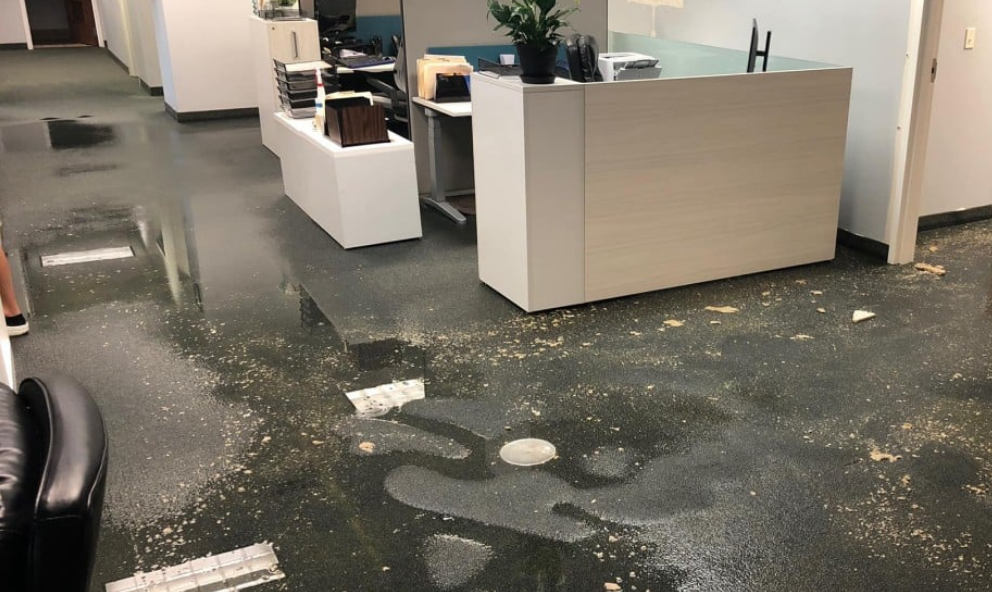
Fast-forward two months. The floorboard’s warped, the cabinet door doesn’t close properly, and there’s a strange smell that Febreze can’t fix. Welcome to the world of water leaks – small, sneaky, and surprisingly destructive.
The thing about leaks is they’re patient. They wait quietly, often behind walls, under floors, or around fittings, while slowly transforming your house into an indoor swamp.
Why “Small Leaks” Are a Big Deal
Most homeowners underestimate water. It doesn’t take a flood to cause major damage – just a tiny, persistent drip. Water has one mission: to go where it shouldn’t.
Here’s what that seemingly harmless trickle is really doing while you ignore it:
In fact, according to insurance data, the average household water-damage claim is around $11,000. That’s enough to buy 73 aquaHALT devices – each designed to stop the problem before it even begins.
The Psychology of Leak Denial
There’s a fascinating thing about leaks – everyone knows they’re bad, but almost no one acts right away. Why? Because they don’t feel urgent… until they are.
When your roof leaks, you panic. When your pipe bursts, you panic. But when your sink slowly drips, you shrug. The irony? That drip can cause more long-term damage than either of those sudden disasters, because it quietly corrodes materials over time.
So if you’re thinking, “It’s just a few drops,” remember: those “few drops” might be the most expensive ones you ever ignore.
Five Early Warning Signs You Might Have a Leak
Leaks don’t exactly send invitations – but they do leave clues. Here are the telltale signs your home might be harboring a watery secret:
You haven’t started a backyard water park, but your bill looks like you did. A sudden spike usually means a hidden leak.
That “basement smell” upstairs isn’t normal. Moisture trapped in walls or under floors gives off that earthy, mildew-like odor.
Your walls are literally crying. Moisture trapped behind paint or paper causes bubbles, blisters, or peeling.
When wooden surfaces start bowing or curving, they’re soaking up moisture from somewhere nearby.
If you’ve cleaned it and it returns, that’s not bad luck – it’s a leak feeding it from behind.
Spot these signs early and you’re halfway to saving your home (and your weekend).
The Real Cost of Doing Nothing
We’ve already talked about how leaks destroy materials, but let’s put numbers on the pain:
And that’s not counting the stress, time, and disruption of repairs. You’ll be living with fans, dehumidifiers, and that unforgettable “construction zone chic” aesthetic for weeks.
Compare that to $150 for a leak detection device. The math isn’t hard – but apparently, water loves teaching lessons the expensive way.
The Sneaky Nature of Hidden Leaks
Some leaks are easy to see – a dripping faucet, a puddle under the washing machine. Others are experts at hide-and-seek.
They lurk behind drywall, beneath tiles, or inside ceilings, silently destroying things from within. By the time you notice a stain, it’s already been there for weeks.
That’s why early detection isn’t just helpful – it’s everything. The faster you find a leak, the less damage it can do.
Meet aquaHALT – Your $150 Leak Bodyguard
Here’s where aquaHALT, the smart (but delightfully simple) leak detection device from waterAUTOMATION, earns its cape.
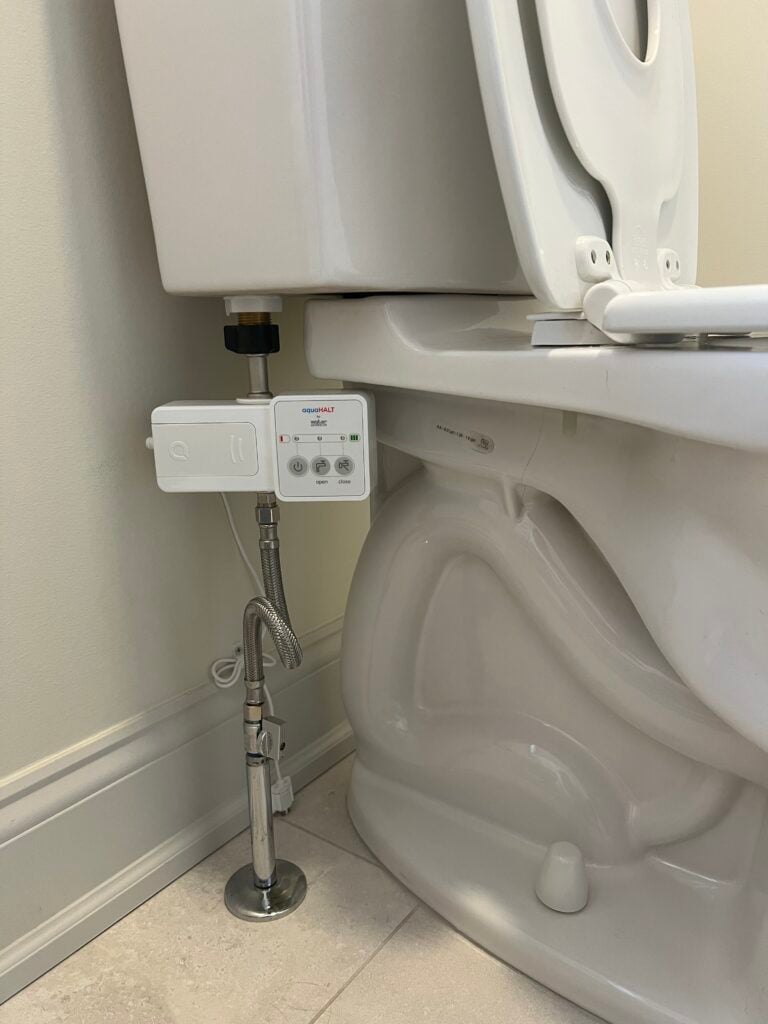
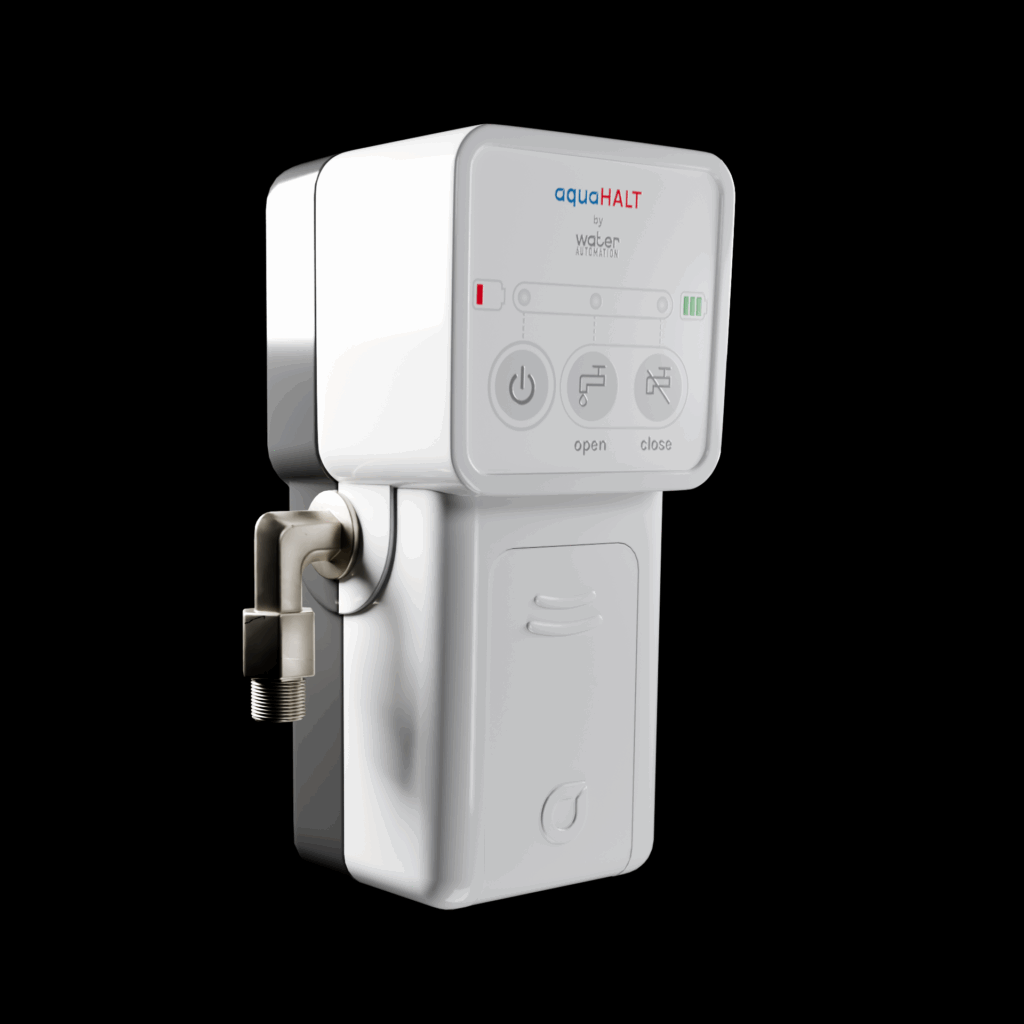
It doesn’t need Wi-Fi, Bluetooth, or a PhD in smart-home setup. It runs on 2×AA batteries and sits quietly under sinks, near washing machines, or behind your fridge – always listening, always ready.
When it senses even the smallest presence of water, it sounds the alarm before the damage starts. No complicated installation. No monthly fees. Just good, old-fashioned peace of mind wrapped in clever engineering.
A Leak Detector That Works While You Sleep
Water doesn’t respect schedules – it leaks on Sundays, holidays, and when you’re away on vacation. That’s why aquaHALT never clocks out.
For less than what you’d spend on a dinner date, you get 24/7 protection that saves you from the world’s worst wake-up call: the sound of splashing where there shouldn’t be any.
Two AA batteries. One smart idea. Zero panic.
Because Prevention Beats Panic (Every Time)
Let’s be real – no one brags about installing a leak detector. But everyone wishes they had one after the damage is done.
You don’t need to wait for a leak to ruin your day, your walls, or your savings account. Catch it early. Stop it fast. Sleep better.
That’s what aquaHALT does – quietly, constantly, and for just $150.
Because peace of mind shouldn’t cost thousands.
Let’s face it – owning or renting a property comes with enough stress already.
Mortgages, maintenance, insurance, bills… and now you’re supposed to worry about water leaks too?
Smart Leak Detection for Every Home
Home Protection Doesn’t Have to Be Complicated (or Expensive)
Let’s face it – owning or renting a property comes with enough stress already.
Mortgages, maintenance, insurance, bills… and now you’re supposed to worry about water leaks too?
Good news: you don’t need to spend thousands on a “smart home system” that talks more than it works.
You just need one simple, affordable device that quietly prevents one of the most common – and costly – home disasters.
That device is aquaHALT, from the team at water AUTOMATION.
It’s small, battery-powered, and laser-focused on one job: keeping your home dry.
Why Leaks Don’t Care About Your Budget
Leaks aren’t polite. They don’t care if you own a penthouse or rent a tiny apartment – when water wants out, it’ll find a way.
And when it does, the damage adds up fast.
A burst washing machine hose can release hundreds of liters of water in an hour.
A dripping pipe can rot wood, destroy drywall, and feed mold like an all-you-can-eat buffet.
And fixing it? That’s a four-figure invoice waiting to happen.
You shouldn’t have to choose between protecting your home and protecting your bank account.
The $150 Solution That Does the Work of $10,000 Repairs
The $150 Solution That Does the Work of $10,000 Repairs
That’s where aquaHALT comes in – your affordable, no-nonsense answer to expensive problems.
For $150, you get a sleek, reliable leak detector that:
It’s the kind of purchase that quietly pays for itself the first time it prevents a soaked floor or mold cleanup.
Because Everyone Deserves a Dry Home
aquaHALT isn’t just for homeowners. It’s for anyone who wants to avoid water damage – landlords, tenants, property managers, even Airbnb hosts.
If you manage multiple units, a few devices can protect every bathroom and kitchen under your care.
If you rent, you can place it under your sink or washing machine for peace of mind (and fewer awkward calls to your landlord).
No fancy systems. No contracts. No tech wizardry required. Just smart, affordable prevention.
How Simplicity Makes It Brilliant
When it comes to home protection, simple wins every time.
aquaHALT isn’t trying to be the next flashy “smart home” gadget – it’s designed to be invisible until it’s needed.
Set it. Forget it.
Let it listen quietly for leaks while you go about your day.
No updates. No subscriptions. No nonsense.
Why This Tiny Device Is a Big Deal
It’s easy to underestimate a small device – until it saves your kitchen, laundry room, or basement.
And while most homeowners assume water damage will never happen to them, the statistics tell another story:
For $150, you could join the minority – the people who don’t have to call their insurance company.
Peace of Mind That Pays for Itself
The real value of aquaHALT isn’t just in preventing damage – it’s in knowing your home is being protected 24/7.
Whether you’re at work, on holiday, or just sleeping soundly, it’s always on guard.
Because the best home security doesn’t just keep out intruders – it keeps out disaster.
Smart Protection for Real People
At waterAUTOMATION, we built aquaHALT for people who value simplicity, reliability, and common sense.
Not everyone needs a smart hub. Not everyone wants another device to configure.
But everyone deserves a dry home.
aquaHALT proves that real innovation isn’t about bells and whistles – it’s about solving real problems affordably.
Final Thoughts: Dry Homes, Happy Lives
In the end, protecting your property doesn’t have to be fancy – it just has to work.
For $150, you can prevent thousands in damage, protect your belongings, and keep your stress levels low.
Two AA batteries.
Zero hassle.
One dry, happy home.
That’s aquaHALT – small device, massive peace of mind.
Water is sneaky. It doesn’t gush out dramatically every time – sometimes, it just seeps quietly, biding its time.
Leak Protection & Insurance Headache Prevention
Water Damage: The Most Boring (and Expensive) Plot Twist
Nobody plans for water damage. It’s not like you wake up one morning and think,
“You know what my week needs? A burst pipe and a $6,000 repair bill.”
But water has a way of showing up uninvited. One tiny leak under the sink or behind the washing machine, and your relaxing weekend suddenly turns into a Home Depot marathon.
Fortunately, protecting your home from leaks doesn’t require a plumber, a contractor, or a meltdown. You can do it yourself – easily – and it starts with knowing where to look.
Where Leaks Like to Hide (and Why They’re So Good at It)
Water is sneaky. It doesn’t gush out dramatically every time – sometimes, it just seeps quietly, biding its time.
Here are the most common hideouts:
Finding leaks early isn’t glamorous – but neither is ripping out a moldy wall.
The Insurance Nightmare No One Talks About
Here’s the thing: when a leak causes serious damage, insurance rarely makes it easy.
Most policies cover sudden leaks (like a burst pipe), but not gradual ones (like a slow drip over six months).
So if your bathroom turns into a science experiment because of a hidden leak, there’s a good chance your insurer will shrug.
Then come the forms, the photos, the emails that start with “We regret to inform you…”
If you’ve ever filed a water-damage claim, you know it’s about as fun as getting a root canal from an accountant.
That’s why early detection isn’t just about home maintenance – it’s about avoiding paperwork-induced rage.
How Leak Detection Devices Save You From the Claim Game
A leak detector like aquaHALT doesn’t just prevent water damage – it prevents the argument that follows.
When you can show your insurance company that you took preventative measures, you’re not just covered – you’re credible.
It’s like telling them, “Look, I wasn’t negligent. I had backup.”
That tiny $150 device can be the difference between a denied claim and a “no problem, we’ve got you covered.”
DIY Leak Protection: Easier Than You Think
If you can open a drawer and find two AA batteries, congratulations – you can install aquaHALT.
Here’s your entire to-do list:
That’s it. No drilling, no Wi-Fi setup, no technician visit.
You don’t even need to download an app – aquaHALT is 100% offline and proud of it.
Why DIY Beats “Call a Plumber”
A plumber is great after the disaster. But preventing one? That’s your job – and it’s easy.
For the cost of a dinner date, you can protect your kitchen, laundry, and bathroom from costly leaks.
Even better, you’ll have the satisfaction of saying, “I handled that,” when your neighbor is still on hold with their insurance company.
aquaHALT is designed for normal people, not tech geniuses or home-improvement influencers.
It’s prevention for everyone – whether you rent, own, manage properties, or just hate surprises.
Proof That Simple Works
The reason aquaHALT fits so well in the DIY world is because it’s not flashy – it’s functional.
Just a smart little device that listens for water and alerts you the moment something goes wrong.
Two AA batteries. Zero nonsense.
Real DIY Wins
Imagine placing one under your sink and catching a leak before it soaks the cabinet.
Or discovering your washing machine hose was dripping before it warped the floor.
Or preventing a tenant’s “small leak” from turning into a month-long insurance battle.
That’s what aquaHALT does – it gives you time.
Time to fix the problem, call the plumber, or just shut the valve before it’s too late.
Because You Deserve a Dry Home (and a Clear Head)
There’s something deeply satisfying about being proactive – especially when it saves you thousands and a massive headache.
Water doesn’t wait. So don’t wait on water.
Do it yourself. Keep your home dry. And make your insurance company slightly less smug.
“Heated water lines: twice the potential leak, twice the headache.” I read that, and thought: “Exactly.” Every sink—mine included—has hot and cold lines. Two points of failure. Then I filed away the aquaHALT H/C. One valve. Both lines. Instant comfort.
Why aquaHALT H/C Works for Me
Forget chaotic setups. This device takes hot and cold feeds in a clean, single unit. Battery powered. Install in minutes. And then it does its job—quietly, reliably—for up to 15 years. That’s what I expect from a true sink leak detection system.
Easy to Install
The aquaHALT H/C impressed me because it solved two problems with one solution. Most sinks have both hot and cold feeds, which often means double the risk and double the equipment. With this sink leak detection system, I only needed a single device for total coverage. That kept installation simple and cost lower. More importantly, it cut down on points of failure. If you’ve ever had a hot water leak in a cabinet, you know how much steam and heat damage it can cause compared to cold water. This unit neutralizes both risks, instantly and effectively.
Key Benefits
My Experience
Once I had it in, I actually forgot it was there. Until I ran a test and it shut off instantly. That’s when it clicked for me: real protection doesn’t need my attention. It just needs to work. And that’s the promise of a reliable sink leak detection system.
If you’ve secured your toilets, don’t stop there. Sink lines matter, too. The H/C is elegant. Compact. Protective. And in my book—that makes it essential.
“Nearly 30% of home water-damage claims trace back to the kitchen—especially sneaky ice-maker leaks.” That blew me away. If that includes you, I want to help. I started using aquaHALT ICE under the sink, and it’s like having an invisible lifeguard for your home’s plumbing.
What Makes aquaHALT ICE Essential
It integrates with existing ¼” plumbing like it was born there. Battery powered. Auto-shut-off. No wiring. Just sit it in line, slip in batteries, and it guards for years. It’s the definition of ice maker leak detection—simple, silent, but incredibly effective.
Installation in Three Steps
Here’s the truth: not all leaks are dramatic floods. Sometimes it’s a slow, invisible drip that causes the most expensive damage. That’s why having an ice maker leak detection device like aquaHALT ICE is so important. It reacts to both sudden bursts and subtle leaks. I tested mine by letting a slow drip run into the line—it shut the supply immediately. That kind of sensitivity means I don’t have to worry about warped hardwood, swollen cabinets, or hidden mold. Whether you live in an apartment, a suburban home, or manage a small office, this protection pays for itself quickly.
Leaks under the fridge aren’t easy to spot. Flooring, subflooring—they silently soak. Then comes the soaring repair bill. A smart ice maker leak detection solution stops that before it happens.
In my office, I paired it with aquaHALT H/C for the sink and coffee machine line. It’s not just about leisure. It’s about business continuity. One drip here, one blob there—and suddenly your breakroom’s out of service. That’s why I see ice maker leak detection as non-negotiable.
I love that I can install it in under 15 minutes, then forget it—until it saves me thousands. In kitchens, homes, offices—this tiny defender isn’t flashy. But it works. And that matters.

“More than 1.2 million homes face costly water damage each year—often from leaky toilet valves.” That figure stopped me cold the first time I read it. I’m sharing this because I care. You want smart protection, not just warnings. That’s why I turned to the aquaHALT 2X. Compact. Trusty. A leak-terminating sentinel. You’ll see how a small device can make a big difference.
Why I Choose aquaHALT 2X
Installing water protection used to sound intimidating. Not anymore. The aquaHALT 2X slots neatly behind your toilet, connects with two 3/8″ hoses, and uses 2 AA batteries—no electrician, no plumber, no fuss. It’s essentially a toilet leak detection system that anyone can install themselves.
Step-by-Step Setup
What I like most about the aquaHALT 2X is that it blends security with simplicity. Unlike complicated systems that require Wi-Fi or apps, this device is completely independent. That means even in a power outage, your toilet leak detection system is still actively protecting your bathroom. It’s not about fancy dashboards—it’s about doing the job when you need it most. Think of it as insurance that never takes a day off. For homeowners, landlords, or property managers, that’s the kind of stability worth investing in. Reliable, invisible, and always working in the background.
Leaky toilets aren’t just a drip—they’re hidden disasters. Floors warp, cabinets rot, claims skyrocket. With a toilet leak detection system in place, you get peace of mind that those silent leaks never spiral into damage.
I installed one in my rental property. No more late-night worry or frantic calls. My tenants asked about maintenance once. The answer? “Nothing to do. It’s set and forgotten.” That kind of passive protection—keeping damage at bay—is what real value looks like. For me, the aquaHALT 2X isn’t just hardware. It’s the toilet leak detection system that keeps me covered.
“Over 1.2 million homes suffer costly water damage every year—for something as simple as a leaking toilet valve.” That’s not just annoying; it’s expensive, messy, and totally preventable. I’m not here to throw jargon your way. I’m here to help you take control—with a product that tucks away neatly behind your toilet, lets you grab it easily when you need to, and literally stops leaks at the source. Let’s get you water-smart.
What I really like about the aquaHALT 2X is that it’s discreet but dependable. It doesn’t take up space, doesn’t add clutter, and doesn’t require constant checking. Once installed, it quietly stands guard. Many homeowners underestimate how quickly a small toilet leak can escalate into warped flooring or structural damage. By choosing a toilet water leak prevention system like this, you’re essentially buying long-term security that pays for itself many times over. It’s not just about preventing water on the floor—it’s about protecting everything connected to your home’s foundation and comfort.
If your bathroom is protected, don’t forget the kitchen—check out my guide on the aquaHALT ICE for refrigerators.
Fast. Smart. Held-back. That’s what aquaHALT 2X does—and why I’d install one on every toilet in my house. If you’re serious about protecting your home, this is the toilet water leak prevention system you need.
“Kitchen leaks account for nearly 30% of all home water damage claims.” Out of every ten tricky leaks, three trace back to a refrigerator ice maker. That’s one statistic that practically begs for a fix. So I added an aquaHALT ICE “Kitchen leaks account for nearly 30% of all home water damage claims.” Out of every ten tricky leaks, three trace back to a refrigerator ice maker. That’s one statistic that practically begs for a fix. So I added an aquaHALT ICE under the sink—easy. Effective. Instant peace of mind.
Most of us don’t even notice a leak from the ice maker until it’s already caused serious damage. Water can seep under cabinets, flooring, or even into the subfloor before you spot it. That’s why an ice maker leak protection system like aquaHALT ICE is such a game changer. It doesn’t rely on your vigilance—it acts instantly, whether you’re home or not. For busy households or rental properties, it’s a way to stop hidden risks from turning into expensive disasters, all with a device that you can install in under 15 minutes.
Protecting your kitchen is a must, but don’t overlook the sink. Learn how the aquaHALT H/C protects both hot and cold lines.
Installing aquaHALT ICE is like adding a silent guardian under your sink. If you value your home, the smartest move you can make is adding an ice maker leak protection system where it matters most.
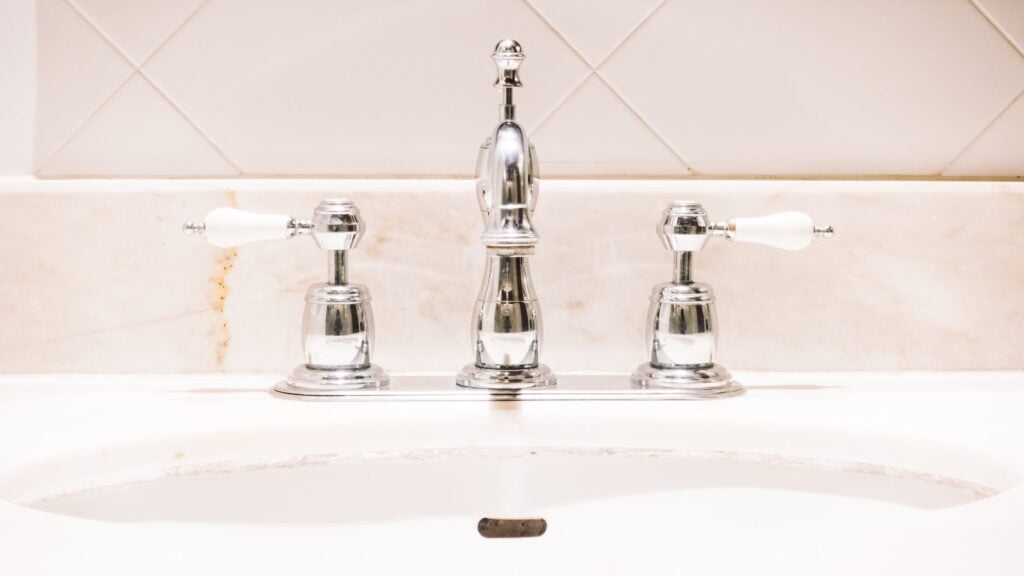
“Heated water lines: twice the potential leak, twice the headache.” If that sounds like your kitchen sink—or mine—you’re not wrong. Two valves, two hoses, double the worry. Then I found the aquaHALT H/C: a smart valve that splits hot and cold, stands watch, and shuts things down at the first drip.
The under-sink area is one of the most common spots for leaks, yet it’s also one of the least monitored. By using a sink water leak detection device like aquaHALT H/C, you’re getting coverage where it matters most. Hot and cold lines often wear unevenly, meaning either one could burst without warning. This system not only covers both but does so with one compact solution. For me, that’s simplicity and peace of mind rolled into one. It’s the type of upgrade you install once, then forget—until the day it saves you thousands.
Finished protecting your sink? Be sure to also install the aquaHALT 2X for your toilets to complete whole-home coverage.
The aquaHALT H/C is more than just another gadget. It’s a sink water leak detection device that gives you confidence every time you turn on the tap. Smart. Clean. Reliable.

“Water damage claims cost homeowners an average of $11,000 each.” That figure made me rethink how I protect my home. I used to believe a strong insurance policy was enough. But then I realized prevention is not only cheaper — it’s far less stressful. That’s when I invested in an automatic water shut off valve.
I’ll be honest — I was hesitant at first. Another gadget? More plumbing work? But this wasn’t a gimmick. This was a smart, silent guardian for my water system. I installed mine near the main water line. Here’s how I use it.
First, I connected it to my home’s Wi-Fi. This allows me to monitor and control the system from anywhere. If the sensor detects an unusual flow — like a hidden leak under the floor — the valve shuts the water off automatically. No delay. No panic.
I also set alerts on my phone. Now, if I’m away for the weekend and a pipe bursts, I get an instant notification. I can even override the system remotely. That’s peace of mind I didn’t have before.
Maintenance is simple. I test it every three months by simulating a leak (a controlled trickle from a spare tap). The valve reacts instantly. This keeps the mechanism responsive and reliable.
For me, an automatic water shut off valve isn’t about avoiding repair bills — though it does that. It’s about controlling the uncontrollable. A burst pipe at 3 a.m. is now a minor inconvenience, not a major disaster.

“An undetected leak can waste over 90 gallons of water a day.” I read that, and I couldn’t believe it. That’s not just wasteful — it’s expensive. It’s why I invested in a smart water leak detector.
Unlike traditional detectors that just beep in your basement, a smart model talks to me — wherever I am. I placed mine in the most vulnerable spots: under the kitchen sink, behind the washing machine, and near the water heater.
The setup was surprisingly easy. I paired each sensor with my phone using the manufacturer’s app. Within minutes, I had a network of silent watchers ready to alert me at the first sign of trouble.
Here’s the best part — it’s not just about leaks. My smart water leak detector monitors temperature and humidity too. If my basement drops below freezing, I know pipes could be at risk. That early warning lets me act before anything cracks.
Every month, I review the usage reports in the app. This helps me spot patterns — like a spike in water flow at night. Once, that pattern revealed a slow drip from my outdoor tap. Fixed in five minutes. Saved hundreds in the long run.
The confidence I get from this small device is hard to overstate. It’s like having a 24/7 plumber who never sleeps.
If you manage an office, you know the break room is both the heart of the workplace—and a hidden risk. The coffee machine, fridge, dishwasher, and sink all share one thing: water lines. I’ve seen small drips here turn into major floor damage. That’s why I invested in commercial water leak prevention.
In our office, I used the aquaHALT ICE and H/C together. Here’s my process:
This commercial water leak prevention setup isn’t just about avoiding insurance claims. It’s about protecting productivity—because the last thing you want is a break room closed for repairs.
Now, the break room runs smoothly, and I’ve got the confidence that if something goes wrong, it’s handled automatically. Commercial water leak prevention has become a no-brainer for me—and for any office with water-connected appliances.
Leave your contacts and your question, and we will contact you as soon as possible.