

Water Damage in Apartments: Prevention Isn’t Optional—It’s Essential
“Water damage is the second most common insurance claim filed by homeowners and renters—yet it’s the most preventable.” – Insurance Information Institute
When I first started managing apartment buildings, I assumed fire would be the thing to watch out for. I was wrong. It was water. Silent, creeping, relentless. Leaks don’t just ruin ceilings—they ruin budgets, relationships, and reputations.
That’s why I’ve become borderline obsessive about water damage prevention for apartments. If you work in property, it’s the smartest investment you can make.
Whether you’re a landlord, property manager, or live in an apartment yourself, the truth is simple: you can’t afford to ignore water damage prevention.
Why Apartments Are Especially Vulnerable
Apartments have a unique vulnerability. One leaky tap on the fifth floor? That can mean soaked ceilings on the fourth, waterlogged wiring on the third, and a very expensive insurance claim by the time it reaches the second.
In single-family homes, damage is usually contained. In apartments, water travels vertically—and quickly. The problem multiplies.
1. Know Your Weak Points
Every building has them. The key is finding them before they find you.
Start with these:
- Water heaters – Often hidden, often forgotten.
- Appliances – Dishwashers, washing machines, and fridges with ice-makers are common culprits.
- HVAC systems – Condensation lines can clog and overflow.
- Bathrooms & kitchens – Obvious, but frequently neglected in routine checks.
A quarterly inspection of these points takes less than an hour. But the damage from missing just one? That can run into tens of thousands.
2. Install Smart Leak Detection
Here’s where technology earns its keep.
Devices like leak detectors or automatic shut-off valves are no longer niche. They’re affordable, discreet, and potentially the difference between a quick fix and a five-figure renovation.
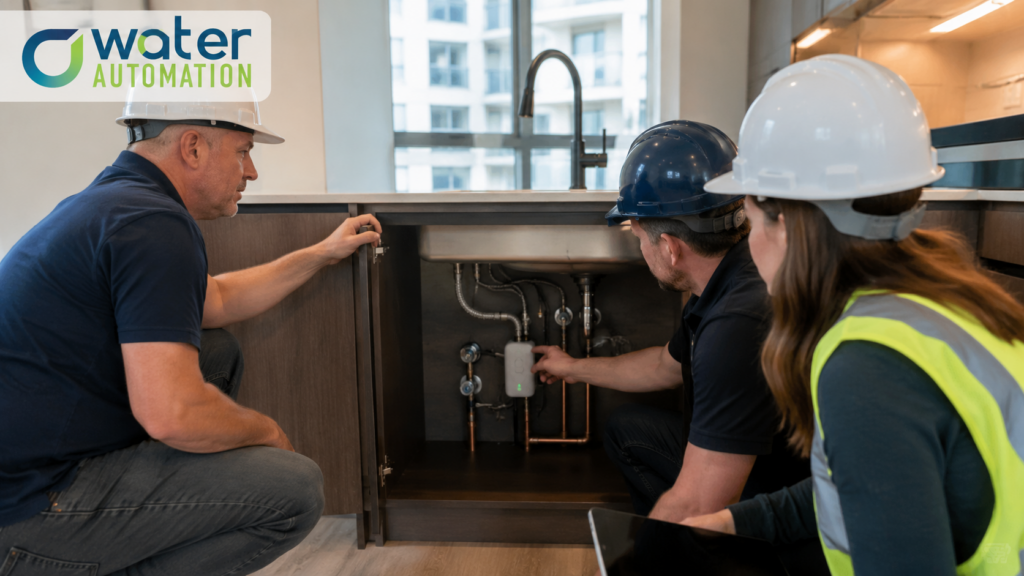
We’ve started using leak detection systems in all our high-risk areas. Under sinks, behind washing machines, near water heaters. They send alerts to your phone and shut off the water automatically. Peace of mind, on autopilot.
3. Create a Resident Reporting Culture
This one’s human, not high-tech.
Water issues often go unreported because tenants aren’t sure if it’s “worth mentioning.” Dripping tap? They’ll wait. Damp smell? They’ll ignore it. Until it becomes everyone’s problem.
We added a line to our welcome packets: If you see something, drip something. (It’s cheesy, but it works.) Make it clear that early reporting isn’t a nuisance—it’s a responsibility.
4. Schedule Preventive Maintenance Like Clockwork
Reactive repairs are expensive. Scheduled checks are not.
Maintain a preventive calendar. Make sure it’s visible to your maintenance team and tied to actual tasks: checking pressure relief valves, inspecting pipes for corrosion, flushing water heaters. Small actions, big savings.
5. Know Your Shut-Offs
This sounds obvious, but you’d be amazed how often it’s missed.
Make sure every unit—and every tenant—knows where their water shut-off is. In an emergency, minutes matter. A laminated card by the entry, a walkthrough during move-in, a diagram in the resident portal—it’s simple, and it saves time when it matters most.
Final Thought: Prevention Pays Off
Water damage prevention for apartments isn’t glamorous. It’s not something tenants see or compliment. But it’s foundational. Invisible, like water itself—until it’s not.
From smart tech to smarter communication, taking water seriously saves money, protects property, and keeps everyone dry, safe, and happy. And in this business? That’s everything.
See also
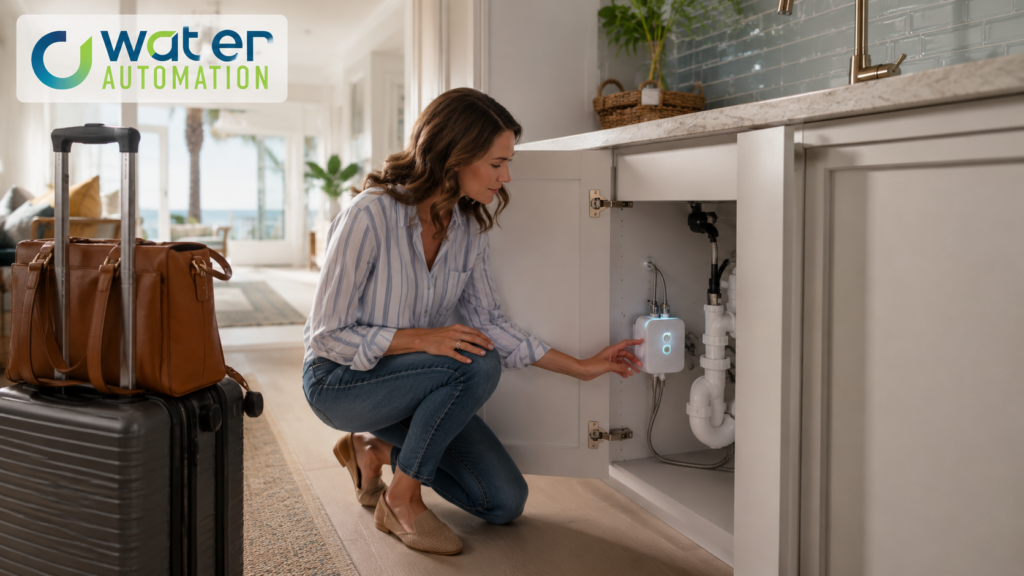
automatic water shutoff for vacation homes works best when the decision begins with observed conditions rather than assumptions. Owners often see a symptom and jump directly to a product, repair
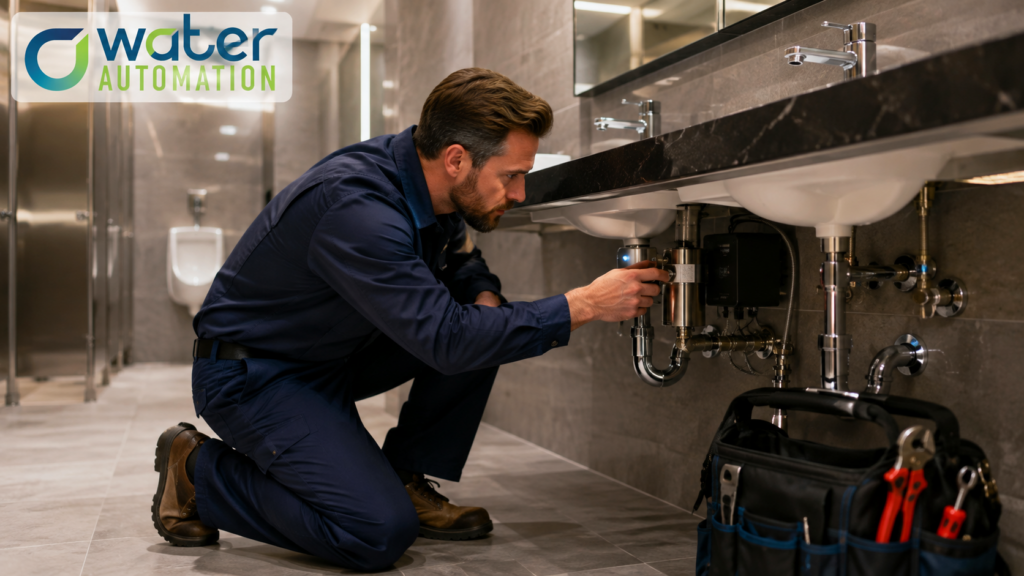
commercial restroom leak detection works best when the decision begins with observed conditions rather than assumptions. Owners often see a symptom and jump directly to a product, repair or proposal.
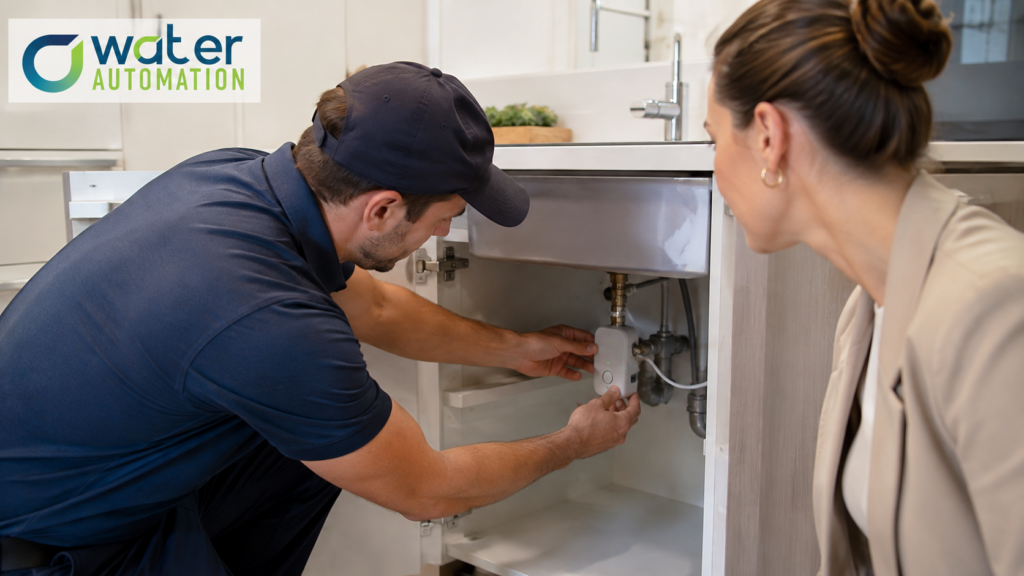
fixture-level leak detection for apartments works best when the decision begins with observed conditions rather than assumptions. Owners often see a symptom and jump directly to a product, repair or
water leak protection for new construction works best when the decision begins with observed conditions rather than assumptions. Owners often see a symptom and jump directly to a product, repair