

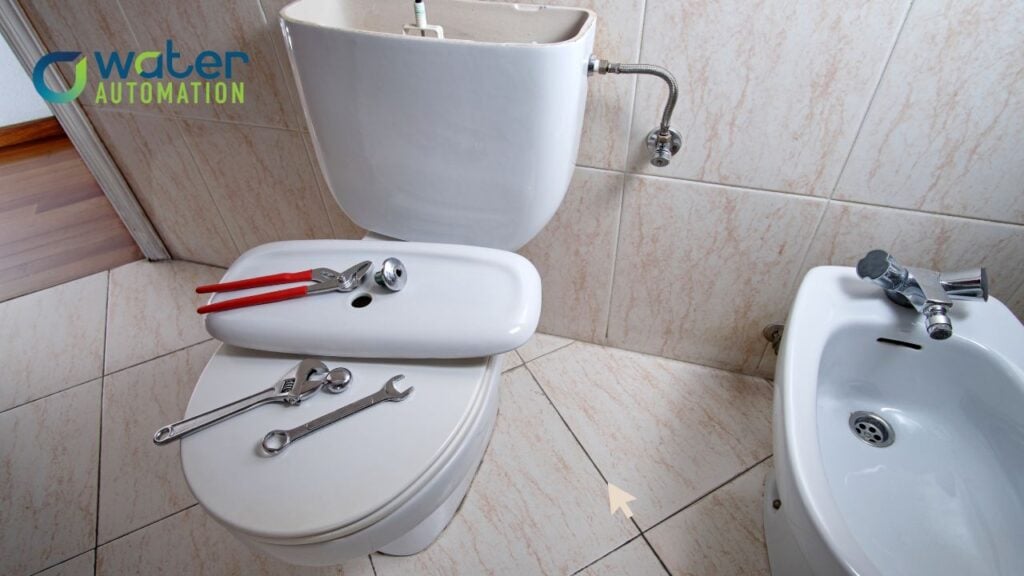
Hidden water damage is one of the most expensive and frustrating issues property owners face. Leaks that occur behind walls, under floors, or inside plumbing systems can go unnoticed for months, leading many to ask: will insurance cover hidden water damage? The answer depends on several critical factors, including cause, duration, and prevention measures.
Hidden water damage typically refers to leaks that are not immediately visible. Examples include slow pipe leaks, toilet leaks behind walls, or continuous running water inside a tank or supply line.
Insurance providers usually distinguish between sudden and accidental damage versus long-term deterioration. A burst pipe is often covered. A leak that develops slowly over time often is not.
Many water damage claims are denied because insurers classify them as preventable or maintenance-related. Common denial reasons include:
If damage is discovered weeks or months after it begins, insurers may argue the issue should have been identified earlier.
Installing a water leak detection device for insurance purposes demonstrates proactive risk management. Systems that monitor water flow and detect abnormal usage provide proof that property owners are actively preventing damage.
When a leak is detected early, documentation from monitoring systems can support claims by showing the damage was sudden, not neglected.
Many insurers now recognize water sensors for insurance as effective loss-prevention tools. Properties with detection systems are less likely to experience severe damage, which reduces insurer exposure.
Some insurance providers offer premium discounts or improved underwriting terms for buildings equipped with automated leak detection.
For commercial buildings, hidden water damage can lead to business interruption, mold remediation, and structural repairs. Insurers closely evaluate whether property owners have taken steps to mitigate these risks.
Automated monitoring and shut-off systems are increasingly viewed as best practices for commercial risk management.
Insurance is designed to mitigate unexpected events, not replace preventative maintenance. Relying on coverage alone is risky when dealing with water damage.
Automated detection systems reduce both financial loss and claim disputes by stopping leaks before they escalate.
Modern water monitoring solutions provide real-time alerts, historical data, and automatic shut-off capabilities. These tools help protect assets, simplify insurance conversations, and minimize long-term risk.
For property owners, preventing hidden water damage is always more cost-effective than filing a claim after the fact.

Water leaks are one of the most overlooked problems in apartments. Many leaks start small and go unnoticed, but over time they can cause serious structural damage and expensive repairs.
If you live in or manage an apartment, the good news is that most hidden leak risks can be identified early. Even better, simple preventative steps and smart devices can stop damage before it spreads.
Before a leak becomes obvious, there are subtle warning signs:
Unexplained increase in water bills
Faint damp or musty odors
Peeling paint or bubbling walls
Warm spots on floors
Reduced water pressure
These signs often point to leaks that are hidden behind walls or under surfaces.
Toilets are one of the most common sources of hidden leaks.
Steps:
Check for continuous running sounds
Look for water movement in the bowl
Test with food coloring in the tank
Even a slow leak can waste hundreds of liters of water.
Pipes beneath sinks can loosen or crack over time.
Steps:
Inspect for moisture or puddles
Check connections for corrosion
Feel for damp cabinet surfaces
These leaks often go unnoticed until damage appears.
Refrigerator water lines are a hidden risk in many apartments.
Steps:
Check behind the fridge for moisture
Inspect the water line connection
Look for slow drips or condensation
A small leak here can damage floors and cabinets.
Hoses can wear out or burst without warning.
Steps:
Check hoses for cracks or bulges
Ensure connections are tight
Replace old hoses regularly
This type of leak can release large amounts of water quickly.
Leaks inside walls are the hardest to detect.
Steps:
Watch for stains or discoloration
Listen for dripping sounds
Check for soft or warped walls
These leaks can cause major structural damage if ignored.
Most hidden risks can be minimized with simple actions.
Inspect high-risk areas regularly
Replace worn-out components
Act immediately on warning signs
Install localized shut-off devices
Prevention is always cheaper than repairs.
Even small hidden leaks can lead to:
Minor repair costs in the hundreds
Structural damage in the thousands
Severe flooding in extreme cases
Damage to neighboring units
The longer the leak stays hidden, the worse it becomes.
Hidden leaks are especially risky because they are not visible.
They develop slowly over time
They weaken structures internally
They often go unnoticed for long periods
They cause damage before detection
This makes them more damaging than obvious leaks.
Modern solutions make leak prevention easier than ever.
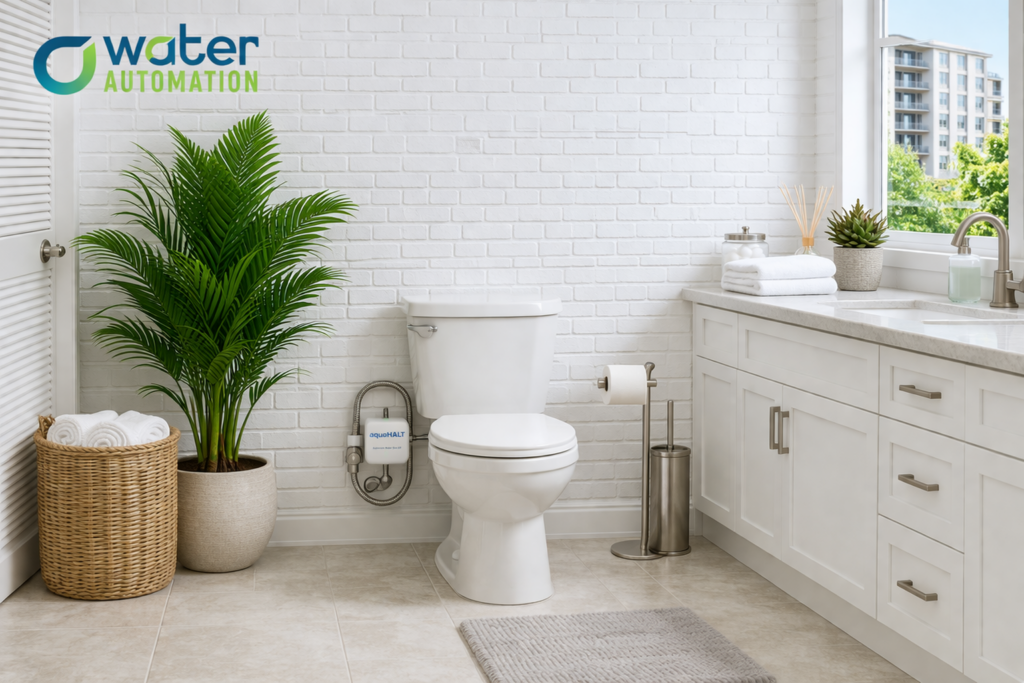
Devices like the aquaHALT automatic water leak detection system can:
Detect leaks instantly
Shut off water at the source
Protect specific areas like sinks and toilets
Work without complex installation
This allows you to stop problems before they escalate.
Hidden water leak risks exist in every apartment, but they do not have to turn into costly disasters. By staying aware of common risks and taking preventative steps, you can protect your property and avoid unnecessary expenses. For the best protection, combining regular inspections with smart leak detection technology ensures your apartment stays safe at all times.
Water damage is one of the most common and costly problems in commercial and residential buildings. A small leak can go unnoticed for days or even weeks, leading to expensive repairs and frustrated tenants.
If you are a property manager, the good news is that there are simple ways to reduce risk and prevent water damage before it becomes a major issue. Even better, modern leak prevention systems can help stop problems automatically.
Before serious damage occurs, there are usually warning signs:
Unexpected increase in water bills
Damp or musty smells
Water stains on walls or ceilings
Mold or mildew growth
Sounds of running water when nothing is in use
Even small signs can indicate a bigger hidden issue, so they should never be ignored.
Focus on areas where leaks are most common.
Steps:
Check under sinks for moisture
Inspect toilets for constant running
Look behind appliances like refrigerators
Examine visible pipes for drips or corrosion
These quick checks can reveal problems early.
Unusual spikes in water usage often point to hidden leaks.
Track monthly water bills
Compare usage between units
Investigate sudden increases immediately
This helps identify leaks that are not visible.
Water systems should not run when not in use. If you hear constant flow, it may indicate a leak in a pipe, toilet, or appliance.
Understanding the cause makes prevention easier.
Toilet Failures
Overflowing or constantly running toilets are a major risk.
Pipe Leaks
Old or damaged pipes can crack or loosen over time.
Appliance Failures
Ice makers and washing machines can leak without warning.
Poor Maintenance
Neglected plumbing systems are more likely to fail unexpectedly.
Most risks can be reduced with simple actions.
Schedule Regular Inspections
Routine checks help catch problems early.
Fix Issues Immediately
Delaying repairs increases damage and cost.
Upgrade Old Components
Replacing outdated parts reduces failure risk.
Install Local Shut-Off Devices
Stopping water at the source prevents widespread damage.
Even a single leak can lead to:
Hundreds of dollars in minor repairs
Thousands in structural damage
Tens of thousands in severe cases
Multiple affected units in larger buildings
The longer a leak goes unnoticed, the worse the damage becomes.
Fixing visible issues does not guarantee long-term protection.
Leaks can happen at any time
Hidden leaks are hard to detect
Damage often starts before it is noticed
Manual checks cannot monitor 24/7
This is where traditional methods fall short.
Modern leak detection systems provide a better solution.
Devices like the aquaHALT automatic water leak detection system can:
Detect leaks instantly
Shut off water automatically
Protect specific areas like toilets and sinks
Work without complex installation
Instead of reacting to problems, you can stop them before they start.
Water damage is a serious risk for property managers, but it is also preventable. By checking for leaks, maintaining plumbing systems, and acting quickly, you can reduce the chances of costly repairs.
For complete peace of mind, combining routine maintenance with smart leak detection is the most effective way to protect your buildings and tenants.
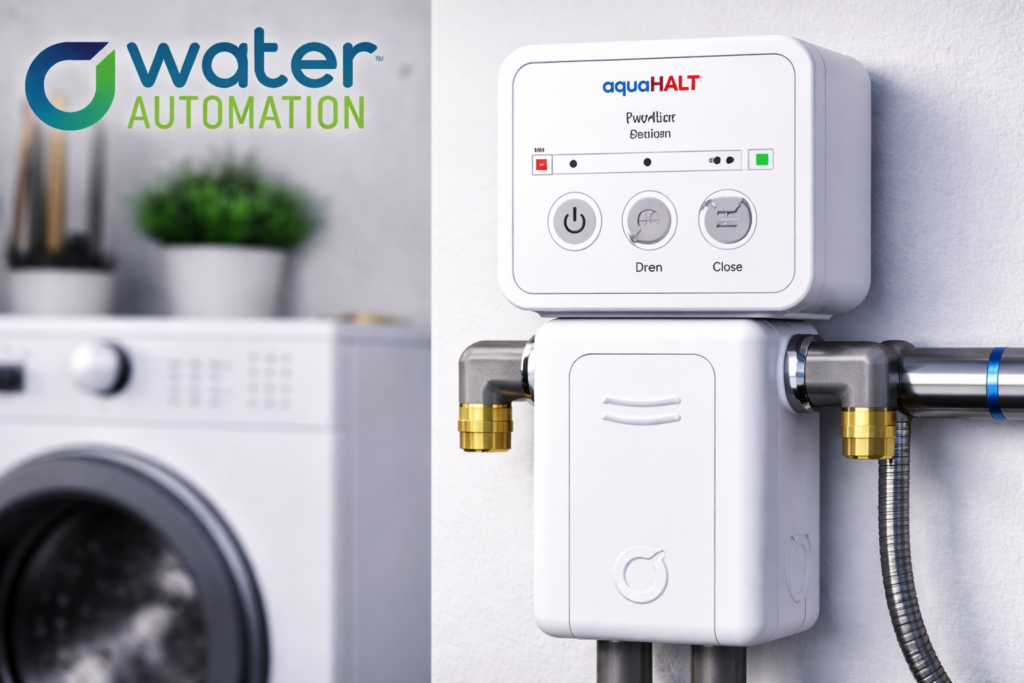
Water is one of the most valuable resources for homes, farms, and businesses. With rising costs and increasing demand, managing water efficiently is no longer optional—it’s essential. This is where smart water automation systems come in.
Smart water automation systems use technology to monitor, control, and optimize water usage automatically. These systems can be installed in residential, commercial, or agricultural environments to ensure water is used efficiently without constant manual control.
They typically include sensors, timers, and controllers that adjust water usage based on real-time conditions such as soil moisture, weather, and usage patterns.
Automation ensures that water is only used when necessary. For example, irrigation systems can stop watering when the soil already has enough moisture, preventing waste.
By optimizing water usage, you lower your monthly water bills. Over time, the system pays for itself through these savings.
Manual water management can be inconsistent. Automation ensures consistent performance, whether it’s watering crops or managing water flow in a building.
Many systems allow you to monitor and control water usage from your phone or computer, giving you full control no matter where you are.
Businesses are under pressure to reduce costs and operate sustainably. Smart water automation systems help achieve both by reducing waste and improving operational efficiency.
In industries where water usage is high, even small improvements can lead to significant savings.
When selecting a system, consider:
Working with a professional ensures the system is properly installed and tailored to your needs.
Smart water automation systems are the future of efficient water management. Whether you’re a homeowner, farmer, or business owner, investing in automation can help you save water, reduce costs, and improve overall efficiency.
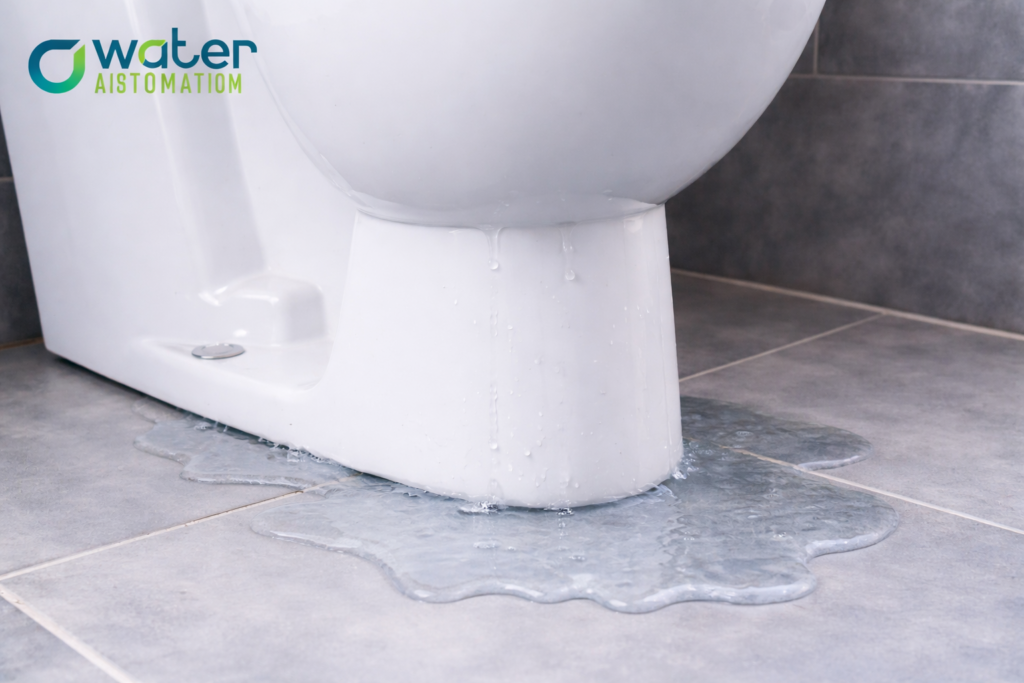
A leaking or inefficient toilet can waste thousands of gallons of water every year without you even noticing. Many homeowners only discover the problem after receiving a high water bill or dealing with water damage.
If you are wondering whether your toilet is wasting water, the good news is that there are simple ways to check and fix the issue quickly. Even better, modern water monitoring systems can help prevent the problem entirely.
Before you test anything, look for these common warning signs:
Even small leaks can waste hundreds of gallons per day, so these signs should never be ignored.
This is one of the easiest and most effective ways to detect a leak.
Steps:
If the color appears in the bowl, your toilet has a leak.
A properly functioning toilet should stop running shortly after flushing. If you hear water constantly moving, it usually means a faulty flapper or fill valve.
If your toilet randomly refills without being used, it is likely losing water slowly due to a leak inside the tank.
Understanding the cause helps you fix the problem faster.
The flapper is a rubber seal that controls water flow from the tank to the bowl. Over time, it can crack or lose its seal.
A broken fill valve can cause continuous water flow, leading to unnecessary waste.
If the water level in the tank is too high, it can overflow into the overflow tube.
Older toilets use significantly more water per flush compared to modern low-flow designs.
Most toilet issues can be fixed without calling a plumber.
This is inexpensive and takes only a few minutes. Make sure you choose the correct size for your toilet.
Lowering the float reduces the water level in the tank and prevents overflow.
If adjusting does not work, replacing the fill valve can stop constant running water.
Check for loose parts inside the tank and around the base.
A single leaking toilet can waste:
In commercial buildings or larger households, the impact is even greater.
Even after fixing a leak, problems can return without warning. Many homeowners fix visible issues but miss hidden or slow leaks that continue wasting water.
This is where traditional methods fall short.
Modern water monitoring systems provide a long-term solution by tracking water usage in real time.
These systems can:
Instead of reacting to problems, you can stop them before they start.
Toilet water waste is more common than most people think, but it is also one of the easiest problems to fix. By checking for leaks, making simple repairs, and monitoring your water usage, you can save thousands of gallons every year.
If you want complete peace of mind, combining basic maintenance with smart water monitoring is the most effective way to protect your home or business.