

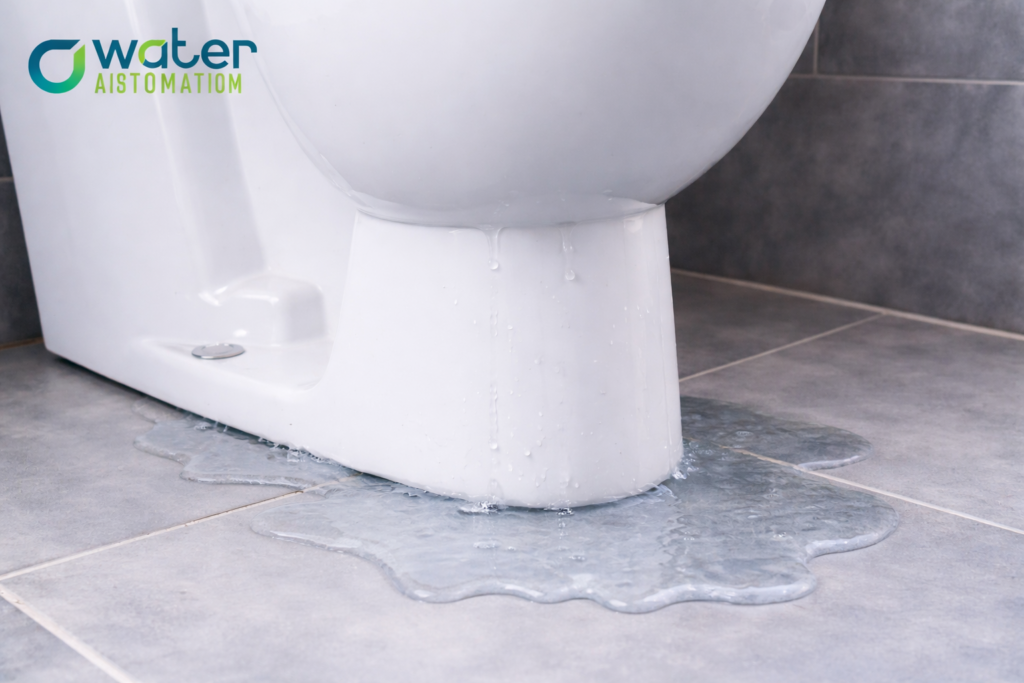
Is Your Toilet Wasting Water? Here’s How to Check and Fix It Fast
A leaking or inefficient toilet can waste thousands of gallons of water every year without you even noticing. Many homeowners only discover the problem after receiving a high water bill or dealing with water damage.
If you are wondering whether your toilet is wasting water, the good news is that there are simple ways to check and fix the issue quickly. Even better, modern water monitoring systems can help prevent the problem entirely.
Signs Your Toilet Is Wasting Water
Before you test anything, look for these common warning signs:
- Constant running or refilling sounds
- Water trickling into the bowl
- Unexpected increase in your water bill
- Weak or inconsistent flushing
- The need to jiggle the handle after flushing
Even small leaks can waste hundreds of gallons per day, so these signs should never be ignored.
How to Check if Your Toilet Is Leaking
1. The Food Coloring Test
This is one of the easiest and most effective ways to detect a leak.
Steps:
- Remove the tank lid
- Add a few drops of food coloring into the tank
- Wait 10 to 15 minutes without flushing
If the color appears in the bowl, your toilet has a leak.
2. Listen for Continuous Running
A properly functioning toilet should stop running shortly after flushing. If you hear water constantly moving, it usually means a faulty flapper or fill valve.
3. Check for Phantom Flushes
If your toilet randomly refills without being used, it is likely losing water slowly due to a leak inside the tank.
Common Causes of Toilet Water Waste
Understanding the cause helps you fix the problem faster.
Worn-Out Flapper
The flapper is a rubber seal that controls water flow from the tank to the bowl. Over time, it can crack or lose its seal.
Faulty Fill Valve
A broken fill valve can cause continuous water flow, leading to unnecessary waste.
Incorrect Water Level
If the water level in the tank is too high, it can overflow into the overflow tube.
Old Toilet Models
Older toilets use significantly more water per flush compared to modern low-flow designs.
How to Fix a Leaking Toilet Quickly
Most toilet issues can be fixed without calling a plumber.
Replace the Flapper
This is inexpensive and takes only a few minutes. Make sure you choose the correct size for your toilet.
Adjust the Float
Lowering the float reduces the water level in the tank and prevents overflow.
Fix or Replace the Fill Valve
If adjusting does not work, replacing the fill valve can stop constant running water.
Tighten Connections
Check for loose parts inside the tank and around the base.
How Much Water Could You Be Wasting?
A single leaking toilet can waste:
- Up to 200 gallons per day
- Over 6,000 gallons per month
- More than 70,000 gallons per year
In commercial buildings or larger households, the impact is even greater.
Why Fixing the Problem Isn’t Always Enough
Even after fixing a leak, problems can return without warning. Many homeowners fix visible issues but miss hidden or slow leaks that continue wasting water.
This is where traditional methods fall short.
The Smart Way to Prevent Water Waste
Modern water monitoring systems provide a long-term solution by tracking water usage in real time.
These systems can:
- Detect unusual water flow instantly
- Alert you to leaks before they become serious
- Help you understand usage patterns
- Prevent costly water damage
Instead of reacting to problems, you can stop them before they start.
Final Thoughts
Toilet water waste is more common than most people think, but it is also one of the easiest problems to fix. By checking for leaks, making simple repairs, and monitoring your water usage, you can save thousands of gallons every year.
If you want complete peace of mind, combining basic maintenance with smart water monitoring is the most effective way to protect your home or business.
See also
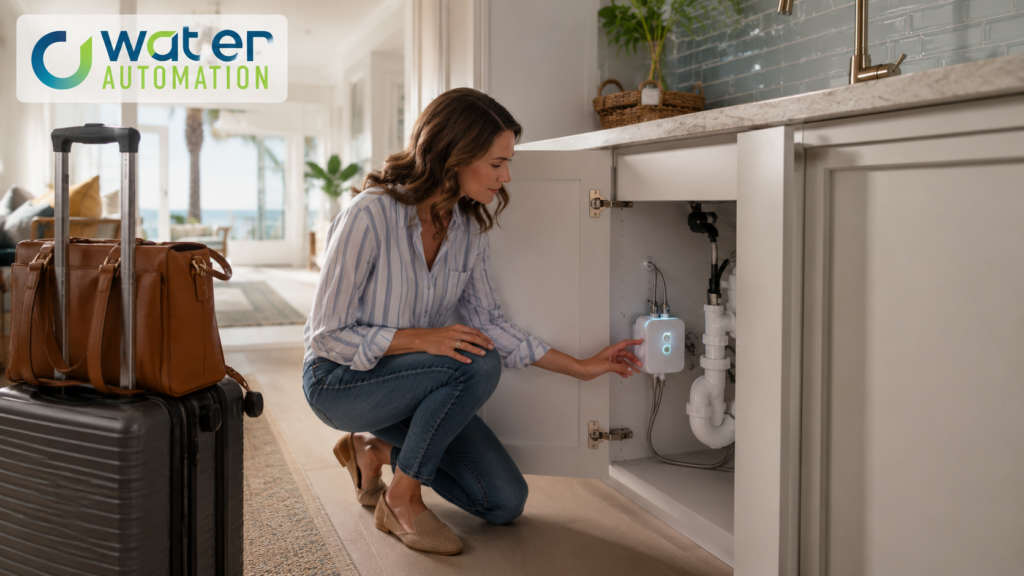
automatic water shutoff for vacation homes works best when the decision begins with observed conditions rather than assumptions. Owners often see a symptom and jump directly to a product, repair
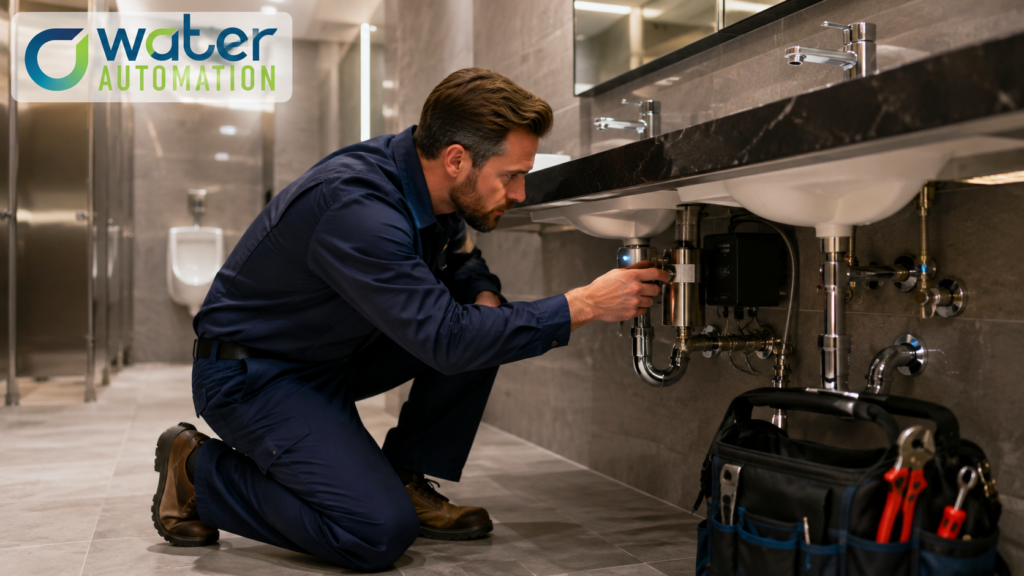
commercial restroom leak detection works best when the decision begins with observed conditions rather than assumptions. Owners often see a symptom and jump directly to a product, repair or proposal.
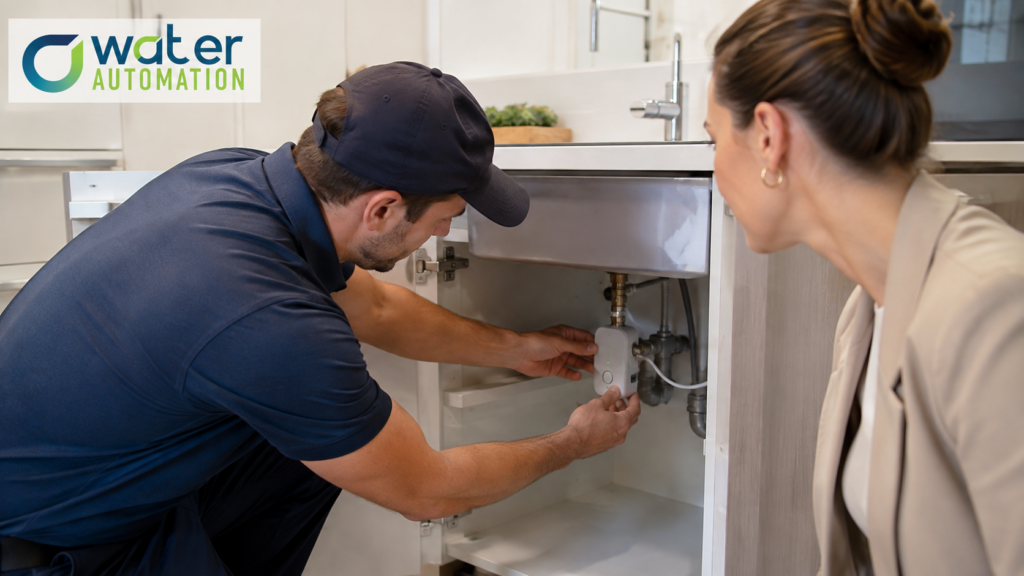
fixture-level leak detection for apartments works best when the decision begins with observed conditions rather than assumptions. Owners often see a symptom and jump directly to a product, repair or
water leak protection for new construction works best when the decision begins with observed conditions rather than assumptions. Owners often see a symptom and jump directly to a product, repair