

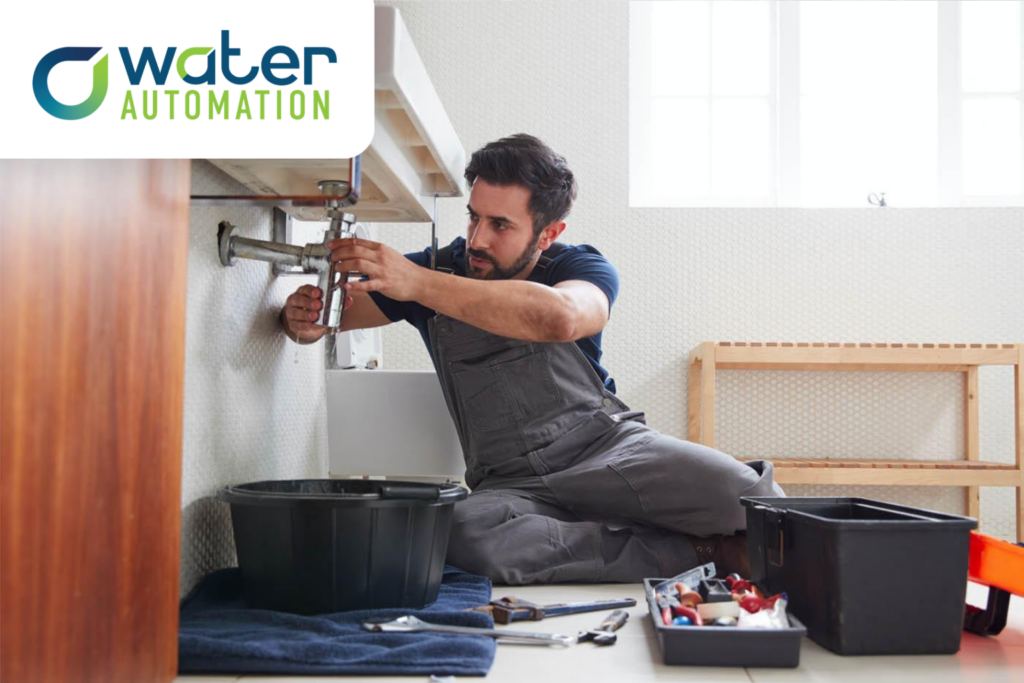
DIY Water Leak Protection: How to Install a Leak Detection System Without a Plumber
apartment buildings. A single leaking toilet, burst supply hose, or failed appliance connection can quickly spread through multiple units, damaging ceilings, flooring, walls, electrical systems, and tenant belongings.
For property managers and apartment owners, these incidents often lead to:
- Expensive repairs
- Emergency maintenance calls
- Insurance claims
- Tenant complaints
- Property downtime
- Long-term structural damage
The challenge with apartment buildings is that leaks rarely affect only one unit. Water moves fast through shared plumbing systems and building structures, making early detection critical.
That’s why more property managers are investing in leak detection solutions specifically designed for multi-unit apartment buildings.
In this guide, we’ll explore the best leak detection solutions for apartment complexes, what features property managers should prioritize, and how automatic shut-off systems help prevent costly water damage before it spreads.
Why Apartment Buildings Face Higher Water Damage Risks
Apartment buildings are uniquely vulnerable to water damage because multiple units share plumbing systems within a confined structure.
Common leak sources include:
- Toilets
- Bathroom sinks
- Kitchen plumbing
- Washing machines
- Refrigerator water lines
- Water heaters
When a leak occurs in one apartment, water often travels:
- Through ceilings
- Behind walls
- Into neighboring units
- Across flooring systems
- Into electrical infrastructure
A small plumbing issue can quickly escalate into a building-wide maintenance emergency.
The True Cost of Apartment Water Damage
Water damage in multi-unit properties can become extremely expensive.
Repair costs may include:
- Flooring replacement
- Drywall repairs
- Mold remediation
- Plumbing restoration
- Electrical repairs
- Tenant relocation
- Emergency cleanup services
In severe cases, property managers may also face:
- Insurance deductibles
- Vacancy losses
- Tenant dissatisfaction
- Reputation damage
Preventative leak detection is far more affordable than large-scale restoration projects.
Why Traditional Leak Prevention Isn’t Enough
Many apartment buildings still rely primarily on:
- Routine inspections
- Tenant reporting
- Manual shut-off valves
- Reactive maintenance teams
While these strategies help, they cannot fully prevent sudden plumbing failures that occur when:
- Tenants are asleep
- Residents are away from home
- Units are vacant
- Maintenance staff are off-site
By the time someone notices the leak, serious damage may already exist.
That’s why automatic leak detection systems are becoming increasingly important in modern apartment management.
What Is a Leak Detection System?
A leak detection system is designed to identify water leaks early and respond before widespread flooding occurs.
Modern systems may include:
- Moisture sensors
- Leak alarms
- Automatic shut-off valves
- Battery-powered operation
- Multi-location protection
Advanced systems automatically stop water flow at the source when leaks are detected, dramatically reducing damage severity.
The Best Types of Leak Detection Solutions for Apartment Buildings
Not all leak detection systems are equally effective for multi-unit properties.
Here are the best solutions property managers should consider.
Automatic Water Shut-Off Systems
Automatic shut-off systems provide the strongest protection against major flooding.
When water is detected:
- The sensor activates
- The system responds immediately
- Water flow shuts off automatically
- Flooding is minimized
This is especially important in apartment buildings because leaks can spread rapidly between units.
Unlike traditional alarms, automatic shut-off systems actively stop the source of the problem.
Battery-Powered Leak Detection Systems
Battery-powered systems are ideal for apartment complexes because they:
- Require no electrical wiring
- Install quickly
- Continue working during power outages
- Scale easily across multiple units
- Reduce installation costs
Property managers appreciate the flexibility and simplicity of battery-operated systems, especially in older buildings where electrical upgrades may be difficult.
Toilet Leak Detection Solutions
Toilet overflows are among the most common causes of apartment flooding.
Automatic toilet leak detection systems help prevent:
- Overflow damage
- Running toilet floods
- Continuous water flow
- Overnight bathroom flooding
These systems are particularly valuable in high-density apartment buildings.
Sink and Appliance Leak Protection
Kitchen and bathroom leaks often begin slowly under sinks or behind appliances.
Protecting areas near:
- Dishwashers
- Refrigerators
- Ice makers
- Washing machines
- Water heaters
helps reduce hidden water damage risks before major flooding develops.
Leak Detection for Vacant Units
Vacant apartments are especially vulnerable because leaks may continue unnoticed for days or weeks.
Automatic shut-off systems provide continuous protection even when:
- Units are empty
- Tenants move out
- Apartments are under renovation
- Seasonal properties are unoccupied
This significantly reduces maintenance risk for property managers.
Features Property Managers Should Look For
When choosing a leak detection solution for apartment buildings, several features are especially important.
Easy Installation
Large apartment buildings require scalable solutions.
Systems that require:
- Plumbers
- Electricians
- Extensive wiring
- Complex smart-home integration
can become expensive and difficult to deploy across multiple units.
DIY-friendly systems reduce installation costs significantly.
Reliable Automatic Shut-Off
Automatic shut-off functionality is one of the most important features in leak prevention.
Simply receiving alerts isn’t always enough if nobody is available to respond immediately.
Stopping water flow automatically minimizes damage much faster.
Battery-Powered Operation
Battery-powered systems eliminate many installation challenges and continue operating during power outages.
This adds valuable reliability in apartment environments.
Multi-Location Protection
The best systems protect several high-risk areas, including:
- Toilets
- Sinks
- Ice makers
- Appliances
- Water heaters
Apartment leaks can occur in multiple locations, so versatile protection matters.
Low Maintenance Requirements
Property managers benefit from systems that are:
- Easy to maintain
- Simple to monitor
- Reliable long-term
- Easy to replace batteries
Low-maintenance solutions reduce operational complexity across large properties.
Why Smart Home Systems Aren’t Always Ideal for Apartments
Some leak detection systems rely heavily on:
- Wi-Fi
- Smart-home apps
- Cloud connectivity
- Subscription services
While these systems may work well in some homes, apartment buildings often require simpler and more scalable solutions.
Battery-powered automatic shut-off systems are often preferred because they:
- Operate independently
- Avoid complicated setup
- Require less maintenance
- Deploy more efficiently across many units
Simplicity is often more valuable than advanced automation in property management.
How Leak Detection Helps Reduce Insurance Claims
Water damage claims are extremely expensive for apartment owners and insurance providers alike.
Leak detection systems help:
- Reduce flooding severity
- Lower repair costs
- Minimize claim frequency
- Demonstrate proactive property maintenance
Some insurance providers may even recognize preventative leak protection when evaluating property risk.
Why Preventative Maintenance Is the Future of Property Management
Modern property management is increasingly focused on proactive protection instead of reactive repairs.
Preventative technologies help property managers:
- Reduce operational costs
- Protect building infrastructure
- Improve tenant satisfaction
- Lower maintenance emergencies
- Protect long-term property value
Leak detection systems are becoming a critical part of that strategy.
Why aquaHALT Is Ideal for Multi-Unit Apartment Buildings
aquaHALT is designed specifically for practical leak prevention in apartments, homes, and commercial buildings.
The system provides:
- Automatic water shut-off
- Battery-powered operation
- Easy DIY installation
- Protection for toilets, sinks, and ice makers
- Reliable 24/7 monitoring
Because aquaHALT does not require complicated wiring or smart-home integration, property managers can efficiently deploy protection across multiple units.
Its compact design and automatic response make it a practical solution for modern apartment buildings.
Protect Apartment Buildings From Costly Water Damage
Water leaks can happen anytime:
- Overnight
- During vacations
- In vacant units
- While tenants are away
Without automatic protection, even small leaks can lead to major repair costs and tenant disruption.
The best leak detection solutions help property managers stop water damage before it spreads throughout the building.
Stop Apartment Water Damage Before It Starts
Water Automation offers battery-powered automatic leak detection and shut-off systems designed to help apartment owners and property managers protect multi-unit buildings from costly flooding and water damage.
The aquaHALT system automatically detects leaks and shuts off water flow at the source, helping reduce repair costs, protect tenants, and simplify property maintenance without complicated installation.
For apartment buildings, proactive leak prevention is one of the smartest investments you can make.
See also
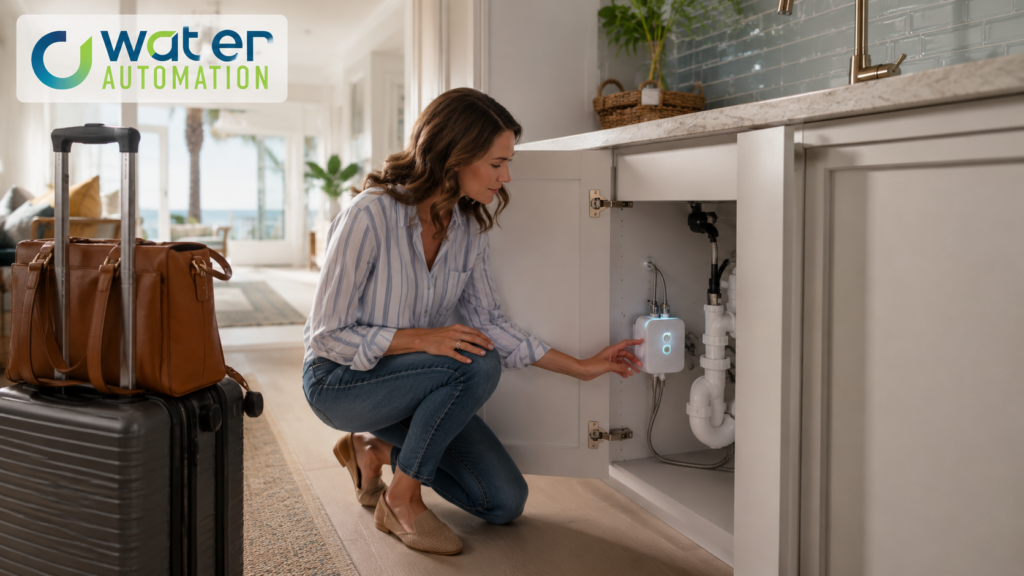
automatic water shutoff for vacation homes works best when the decision begins with observed conditions rather than assumptions. Owners often see a symptom and jump directly to a product, repair
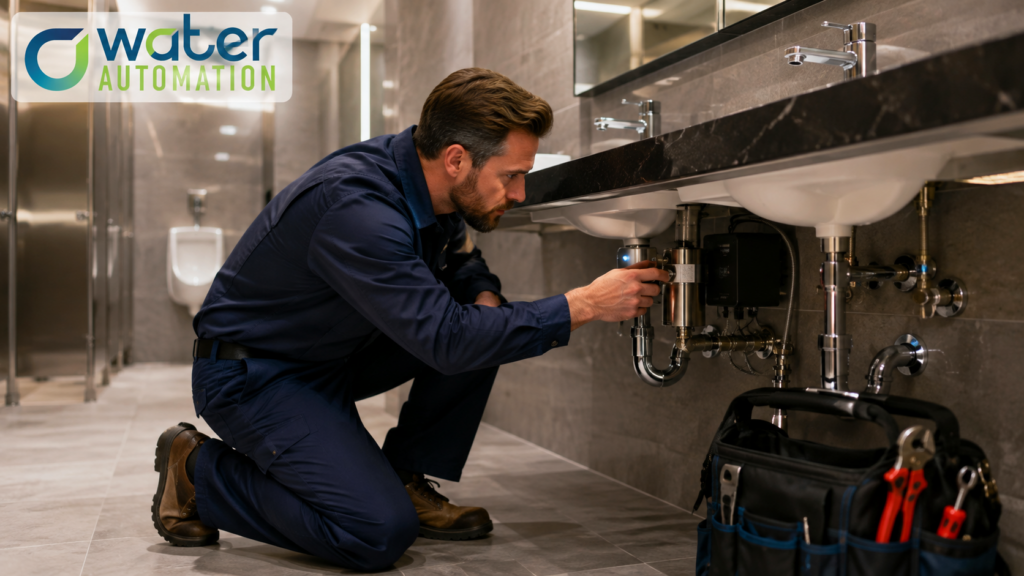
commercial restroom leak detection works best when the decision begins with observed conditions rather than assumptions. Owners often see a symptom and jump directly to a product, repair or proposal.
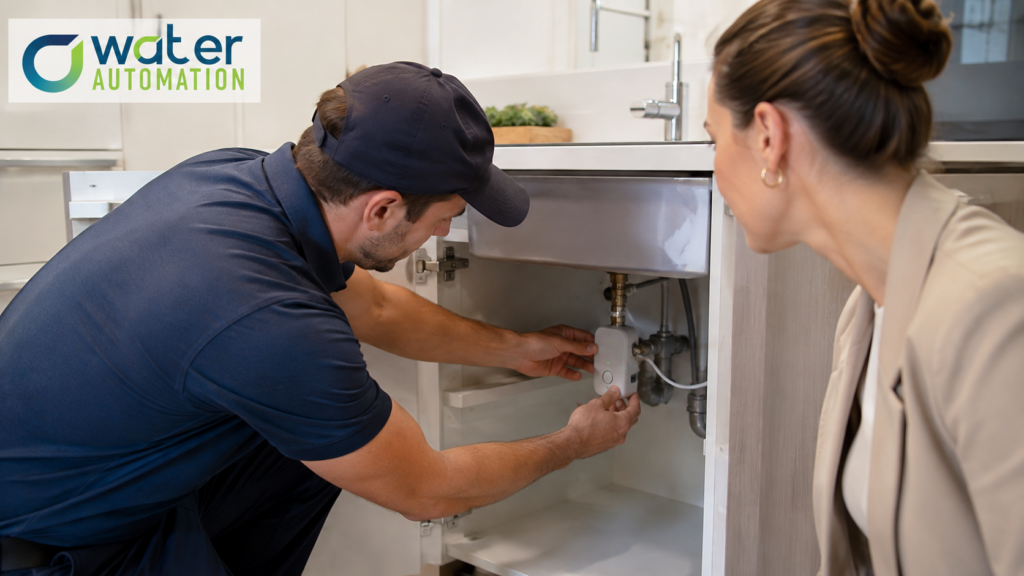
fixture-level leak detection for apartments works best when the decision begins with observed conditions rather than assumptions. Owners often see a symptom and jump directly to a product, repair or
water leak protection for new construction works best when the decision begins with observed conditions rather than assumptions. Owners often see a symptom and jump directly to a product, repair