

In commercial facility management, the traditional approach to maintenance has been either
reactive (fixing things after they break) or preventive (fixing things on a fixed schedule).
Predictive Maintenance (PdM) represents a significant leap forward, utilizing real-time data
and analytics to anticipate equipment failure before it occurs. For commercial water
systems, PdM, powered by water automation, is the key to minimizing downtime, reducing
costs, and ensuring continuous, reliable operation.
| Maintenance Type | Trigger | Cost Implications | Outcome |
|---|---|---|---|
| Reactive | Failure occurs (e.g., pipe bursts). | Highest: Emergency call-outs, asset damage, business interruption. | Unplanned downtime, catastrophic failure. |
| Preventive | Fixed schedule (e.g., replace valve every 5 years). | Moderate: Unnecessary replacements, potential for failure between schedules. | Scheduled downtime, component replacement based on time, not condition. |
| Predictive (PdM) | Data anomaly indicates impending failure. | Lowest: Scheduled repair during planned downtime, no asset damage. | Optimal asset lifespan, maximum uptime, proactive water leak prevention. |
Predictive maintenance for water systems relies on the continuous stream of data generated
by an automated infrastructure. This data is analyzed by machine learning algorithms to
establish a “normal” operational baseline for every component.
The system constantly monitors critical KPIs that signal system health:
The core of PdM is the ability to detect anomalies. For example, if a pump typically runs for
15 minutes to fill a tank, but the system notices it is now running for 20 minutes to achieve
the same result, the algorithm flags a potential issue—such as a clog or a loss of efficiency—
allowing the facility manager to inspect and repair the pump before it burns out.
By only performing maintenance when it is truly needed, PdM ensures that components are
used for their full, optimal lifespan. This reduces the cost of unnecessary replacements and
the labor associated with fixed-schedule maintenance. Furthermore, by preventing
catastrophic failures, the system protects the lifespan of the entire water infrastructure.
The shift to predictive maintenance is essential for any commercial property aiming for
operational excellence. By leveraging the continuous monitoring and analytical power of
water automation, facility managers can move beyond the costly cycle of reaction and
prevention. They gain the ability to anticipate and mitigate risks, ensuring that their
commercial water systems operate reliably, efficiently, and cost-effectively for years to
come.
Transform your maintenance strategy with proactive water leak prevention. Contact
waterAUTOMATION to implement a predictive maintenance solution for your commercial
property.
Modern commercial buildings are complex ecosystems managed by a Building
Management System (BMS), which centralizes control over HVAC, lighting, security, and
energy consumption. For a water automation system to deliver its full value, it must be
seamlessly integrated with the existing BMS. This smart building integration ensures that
water management is not an isolated function but a core, contributing element to the
building’s overall operational intelligence and efficiency.
Operating a water automation system independently of the BMS creates silos of data and
limits the potential for holistic optimization. Integrating water automation with BMS
provides several critical advantages:
Facility managers benefit from a single, unified dashboard where they can monitor all critical
building functions, including water usage and leak detection status. This eliminates the need
to switch between multiple platforms, streamlining workflows and accelerating response
times.
Integration allows the water system to trigger actions in other building systems, and vice
versa. For example:
Combining water data with energy, temperature, and occupancy data within the BMS allows
for deeper, more sophisticated analysis. This holistic view is essential for predictive
maintenance and identifying complex correlations, such as a spike in water usage coinciding
with a specific HVAC operational mode.
The method for smart building integration depends on the existing BMS infrastructure, but
typically involves one of the following protocols:
| Integration Protocol | Description | Best Use Case |
|---|---|---|
| BACnet/IP | A standard communication protocol for building automation and control networks. | Most common for modern commercial BMS; allows for direct data exchange between systems. |
| Modbus TCP/IP | A widely used serial communications protocol. | Ideal for integrating older or simpler water automation devices into a modern BMS. |
| API Integration | Using a vendor’s Application Programming Interface (API) to exchange data directly between the cloud platforms of the water system and the BMS. | Provides the most flexibility and allows for the exchange of rich, real-time data and control commands. |
When planning to integrate water automation with BMS, FMs should prioritize systems
that offer:
For commercial properties striving for true operational excellence, integrating water
automation with the Building Management System is a non-negotiable step. It transforms
water management from a standalone function into an intelligent, contributing part of the
smart building ecosystem. This seamless integration enhances efficiency, improves risk
mitigation, and provides facility managers with the unified control necessary to optimize the
entire property.
Consult with waterAUTOMATION to ensure your water automation solution achieves
seamless and secure smart building integration with your existing BMS.
The effectiveness of any commercial water leak detection system hinges on the quality and
strategic deployment of its sensors. With a variety of water sensor technology available,
facility managers must understand the differences to make an informed decision. Choosing
the right water leak sensor for a specific application is critical for maximizing coverage,
minimizing false alarms, and ensuring rapid response to a leak event.
Water leak sensors can be broadly categorized based on what they detect: the presence of
water (spot/rope sensors) or an anomaly in the water flow (flow sensors).
These sensors are designed to detect the physical presence of water on a surface.
| Sensor Type | Detection Method | Best Placement | Key Benefit |
|---|---|---|---|
| Spot Sensor | Uses two metal probes that complete an electrical circuit when bridged by water. | Under sinks, near water heaters, under HVAC units, in drip pans, and near floor drains. | Highly sensitive and provides precise, localized detection. |
| Rope/Cable Sensor | A long, flexible cable that detects water along its entire length. | Wrapped around pipes, along the perimeter of a room, or under raised floors (e.g., in a data center). | Excellent for covering large areas or tracing the path of a pipe. |
These sensors are installed directly on the water supply line and monitor the movement of
water through the pipes.
| Sensor Type | Detection Method | Best Placement | Key Benefit |
|---|---|---|---|
| Ultrasonic/Magnetic Flow Meter | Measures the velocity and volume of water passing through the pipe. | Main water line, sub- meters for specific zones (e.g., cooling towers, tenant floors). | Detects leaks within the pipe system and monitors overall consumption for billing and waste analysis. |
Even the most advanced sensor is useless if placed incorrectly. Effective best placement for
water leak detectors requires a risk-based approach:
The final consideration is how the sensor integrates into the overall water automation
system. A smart sensor should not just detect water; it must communicate instantly with a
central hub that can:
Choosing sensors that are compatible with a robust, cloud-based platform ensures that the
data collected is actionable and contributes to a comprehensive predictive maintenance
strategy.
Choosing the right water leak sensor is a critical investment in commercial property
protection. By understanding the different water sensor technology and implementing a
strategic placement guide, facility managers can create a layered defense that provides
continuous, reliable monitoring, ensuring that no leak, large or small, goes undetected.
Consult with waterAUTOMATION experts to determine the optimal sensor
technology and placement strategy for your commercial facility.

While the financial cost of water waste—inflated utility bills and damage repair—is
immediate and tangible, the environmental toll is often overlooked. For commercial
properties, every gallon of wasted water represents a significant drain on local resources and
contributes to a larger carbon footprint. Adopting a strategy for commercial water
conservation is therefore a dual imperative: it is essential for financial health and a non-
negotiable component of corporate sustainability initiatives.
Water waste in a commercial building is not just about the water itself; it is about the energy
and resources required to treat, pump, heat, and deliver that water.
The Incident: At 2:00 AM on a Tuesday, a supply line to a washing machine in a 25th-floor
unit failed catastrophically. Under normal circumstances, this failure would have resulted in a
continuous flow of high-pressure water, flooding the unit and cascading down through the
walls and ceilings of the 24 units below it.
Water is an energy-intensive resource. Significant amounts of electricity are used for:
When water is wasted through leaks or inefficient systems, the energy used to process and
deliver that water is also wasted, directly increasing the building’s carbon footprint.
2. Strain on Local Water Resources
In many regions, water scarcity is a growing concern. Commercial properties that waste
water place an unnecessary strain on local reservoirs, aquifers, and municipal water supplies.
This impacts the community and the environment, particularly during periods of drought or
high demand.
3. Wastewater Treatment Burden
Every gallon of water that enters a building must eventually be treated as wastewater.
Excessive water use from leaks or inefficient systems overloads municipal wastewater
treatment plants, requiring more chemicals, energy, and infrastructure capacity to process.
Automated water systems are the most effective tool for addressing the environmental
impact of water waste by providing the data and control necessary for true conservation.
| Automation Feature | Environmental Benefit |
|---|---|
| Real-Time Leak Detection | Instantly stops the continuous waste of water and the associated energy used for pumping and treatment. |
| Granular Data Analysis | Identifies specific areas of inefficiency (e.g., cooling towers, irrigation) for targeted optimization, reducing overall consumption. |
| Automated Shut-Off | Prevents catastrophic waste events, which can rapidly deplete local water reserves and overload sewage systems. |
| Predictive Maintenance | Ensures water-using equipment operates at peak efficiency, minimizing energy and water consumption over the long term. |
The decision to implement automated water conservation strategies extends far beyond
the water bill. It is a commitment to reducing energy consumption, preserving local water
resources, and minimizing the environmental footprint of the commercial property. By
leveraging the power of automation, facility managers can transform their buildings into
models of efficiency, aligning financial success with environmental stewardship.
Learn how waterAUTOMATION can help your commercial property achieve its
environmental impact reduction and sustainability goals.
a Multi-Unit Building
The true value of a water automation system is best illustrated not by its technology, but by
the disasters it prevents. For multi-unit buildings, where a single leak can affect dozens of
tenants and result in millions of dollars in damage, the implementation of automated shut-
off valves is a game-changer. This case study highlights a real-world scenario where a smart
system turned a potential catastrophe into a minor maintenance event.
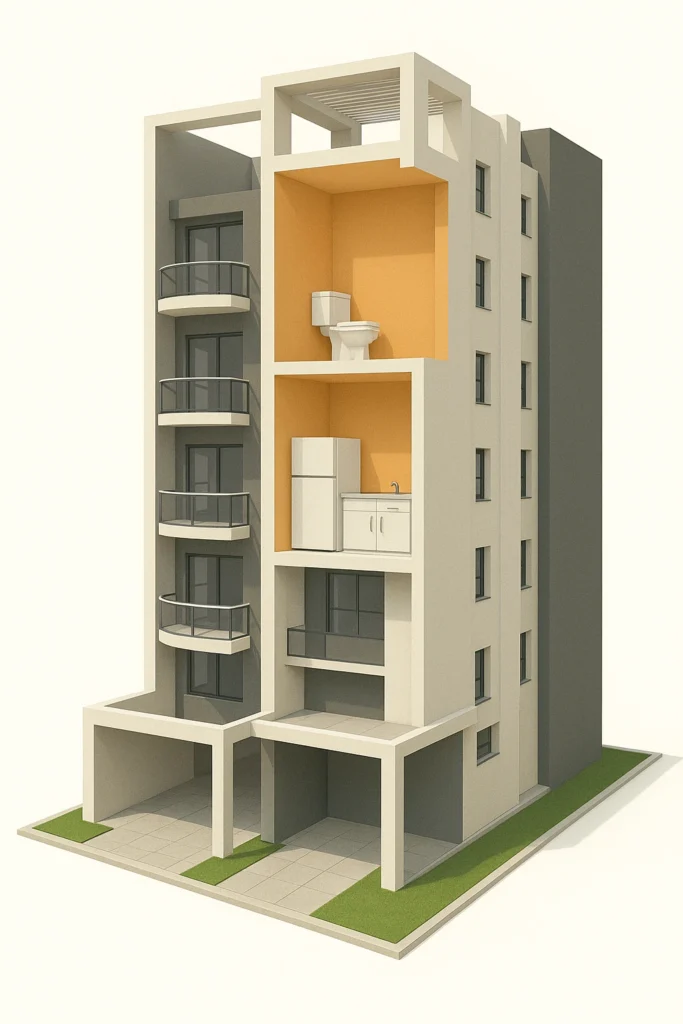
A 30-story residential tower, managed by a large property management firm, had recently
installed a comprehensive commercial water leak detection system featuring automatic
water shut-off valves on the main supply line and on the supply lines to all high-risk areas
(laundry rooms, mechanical closets, and individual unit water heaters).
The Incident: At 2:00 AM on a Tuesday, a supply line to a washing machine in a 25th-floor
unit failed catastrophically. Under normal circumstances, this failure would have resulted in a
continuous flow of high-pressure water, flooding the unit and cascading down through the
walls and ceilings of the 24 units below it.
The water automation system responded instantly:
1. Detection: Within 30 seconds of the pipe failure, the system’s flow sensor detected an
immediate, massive spike in water flow that exceeded the established baseline for the
building. Simultaneously, a spot sensor placed near the washing machine detected
water on the floor.
2. Verification and Alert: The system’s central hub cross-referenced the flow anomaly
with the spot sensor alert, confirming a major leak event. An instant alert was sent to
the on-call facility manager via SMS and the cloud dashboard.
3. Isolation and Shut-Off: Crucially, the system’s pre-programmed logic immediately
triggered the automatic water shut-off valve installed on the main supply line to the
unit. Within two minutes of the pipe failure, the water flow to the unit was
completely stopped.
The difference between the potential damage and the actual damage was staggering:
| Factor | Without Automation (Estimated) | With Automated Shut-Off (Actual) |
|---|---|---|
| Water Flow Duration | 4-6 hours (until a tenant noticed and maintenance arrived) | 2 minutes |
| Units Affected | 25+ units (flooding from 25th floor down to the lobby) | 1 unit (localized to the laundry room) |
| Estimated Damage Cost | $500,000 – $1,000,000+ (structural, mold, tenant claims) | $3,500 (dry-out and replacement of the washing machine supply line) |
| Business Interruption | Weeks of tenant displacement, insurance claims, and negative publicity. | None. Repair completed by 9:00 AM the same morning. |
This automated shut-off valve case study demonstrates that the speed of response is the
single most important factor in mitigating water damage. Traditional methods rely on human
intervention, which is inherently slow. Water automation provides a mechanical,
instantaneous response that eliminates the window of time during which the most
catastrophic damage occurs. For owners of multi-unit buildings, this technology is the most
effective insurance policy against the devastating financial and logistical consequences of a
major flood.
Protect your multi-unit property from the risk of catastrophic water damage. Schedule
a consultation with waterAUTOMATION today.