

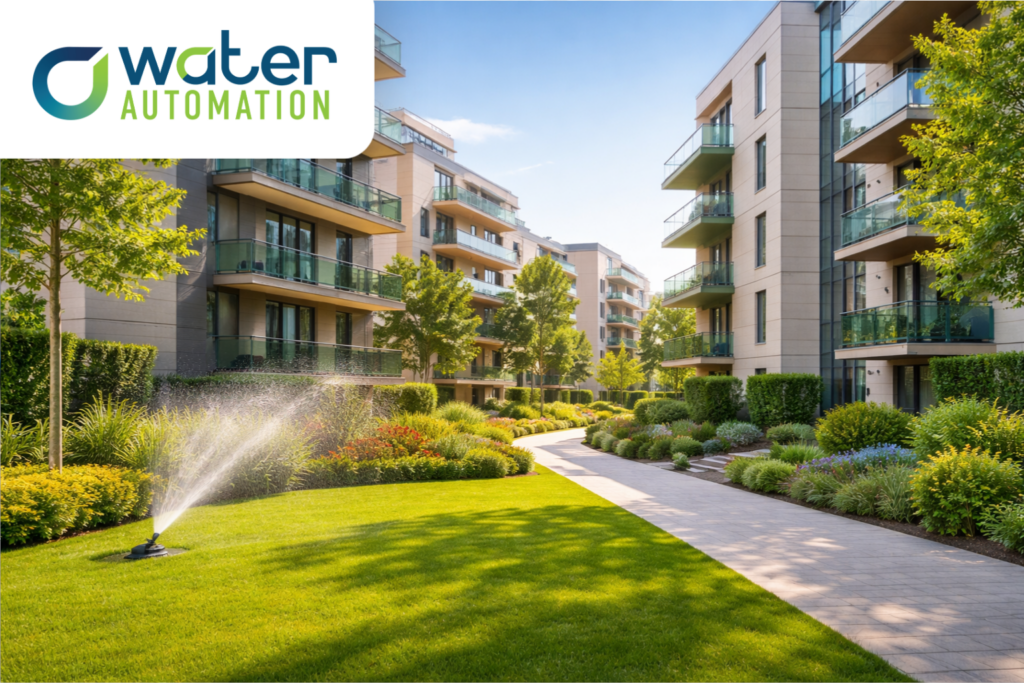
How to Prevent Water Damage in Apartments Before It Starts
Water damage is one of the most expensive and stressful problems apartment owners, tenants, and property managers face. A small leak behind a toilet, under a sink, or near an ice maker can quickly turn into thousands of dollars in repairs, mold remediation, damaged flooring, ruined furniture, and insurance claims.
The worst part? Most apartment water damage starts silently.
By the time you notice water spreading across the floor or dripping through a ceiling, the damage has already begun. Fortunately, modern leak detection technology and preventative maintenance make it possible to stop leaks before they become disasters.
In this guide, we’ll explain how to prevent water damage in apartments before it starts, what causes most apartment leaks, and how smart water leak detection systems like aquaHALT can help protect your property 24/7.
Why Apartment Water Damage Is So Common
Apartments are especially vulnerable to water damage because multiple plumbing systems operate in a relatively small space. Kitchens, bathrooms, laundry rooms, and refrigerators all rely on water connections that can fail unexpectedly.
In multi-unit buildings, a leak in one apartment can also affect neighboring units below or beside it. What begins as a small toilet overflow can quickly spread through ceilings, walls, insulation, flooring, and electrical systems.
Common consequences of apartment water damage include:
- Warped flooring
- Mold growth
- Ceiling collapse
- Damaged drywall
- Electrical hazards
- Expensive emergency repairs
- Insurance complications
- Tenant displacement
For property managers, even a single leak can result in major maintenance costs and unhappy tenants.
That’s why prevention is always more affordable than repairs.
The Most Common Causes of Apartment Water Damage
Understanding the source of leaks is the first step toward preventing them.
1. Overflowing Toilets
Toilet overflows are among the leading causes of apartment flooding. A clogged toilet, malfunctioning float, or continuously running toilet can release gallons of water within minutes.
Overflowing toilets are particularly dangerous when tenants are away from home or asleep.
2. Sink Pipe Leaks
Leaks under kitchen and bathroom sinks often develop slowly. Over time, loose fittings, corrosion, or damaged pipes allow water to drip into cabinets and flooring.
These hidden leaks can go unnoticed for weeks while mold and water damage spread behind walls.
3. Ice Maker and Refrigerator Line Failures
Many apartment owners overlook refrigerator water lines. However, cracked or loose ice maker supply lines are a major source of hidden leaks.
Because refrigerators are rarely moved, leaks behind them often remain undetected until serious damage occurs.
4. Burst Flexible Supply Lines
Flexible braided hoses connected to toilets, sinks, and appliances wear out over time. When these hoses burst, they can release water rapidly and cause severe flooding.
Older apartment buildings are especially vulnerable to this issue.
5. Faulty Appliances
Dishwashers, washing machines, and water heaters can leak unexpectedly due to aging components or poor maintenance.
Even a small appliance leak can spread quickly across apartment flooring.
How to Prevent Water Damage in Apartments
Preventing water damage requires a combination of routine maintenance, leak awareness, and automatic protection systems.
Here are the most effective ways to protect your apartment or building.
Inspect Plumbing Connections Regularly
Routine inspections can identify small problems before they become expensive emergencies.
Check:
- Toilet connections
- Sink pipes
- Refrigerator water lines
- Washing machine hoses
- Water heater connections
Look for:
- Corrosion
- Moisture buildup
- Dripping water
- Mold or mildew
- Loose fittings
Even minor signs of moisture can indicate a developing leak.
Property managers should also schedule routine inspections between tenant turnovers.
Replace Aging Water Supply Lines
Old supply lines are one of the biggest hidden risks in apartments.
Rubber hoses and aging connectors become brittle over time and may suddenly fail without warning.
Experts often recommend replacing:
- Toilet supply lines every 5 years
- Washing machine hoses every 3–5 years
- Refrigerator water lines periodically
Replacing a low-cost hose today can prevent thousands in repairs tomorrow.
Monitor High-Risk Leak Areas
Certain areas in apartments are more vulnerable to leaks than others.
Pay close attention to:
- Behind toilets
- Under sinks
- Behind refrigerators
- Around water heaters
- Laundry areas
These spaces should remain dry at all times. If you notice moisture, investigate immediately.
Install an Automatic Water Leak Detection System
One of the most effective ways to prevent apartment water damage is by installing a smart automatic leak detection and shut-off system.
Unlike traditional water alarms that only make noise after water is detected, advanced systems like aquaHALT automatically stop the water flow at the source.
This is critical because leaks can spread rapidly when no one is home.
A battery-operated leak detection system provides several important benefits:
- 24/7 protection
- Automatic shut-off response
- No electrician required
- No plumber required
- Easy DIY installation
- Protection for toilets, sinks, and ice makers
- Reduced risk of flooding and insurance claims
For apartment owners and property managers, automatic shut-off technology adds an extra layer of security that manual inspections alone cannot provide.
Why Battery-Powered Leak Detection Is Ideal for Apartments
Many traditional leak prevention systems require complicated smart-home integration, electrical wiring, or professional installation.
Battery-powered systems offer a much simpler solution.
Devices like aquaHALT operate using standard AA batteries, making installation fast and flexible without requiring access to electrical systems.
This makes them ideal for:
- Apartments
- Condos
- Rental units
- Multi-family buildings
- Vacation properties
Battery-powered leak detection systems are also easier to scale across multiple units for property management companies.
Protect Vacant Apartments From Hidden Leaks
Vacant units create a major risk because leaks may go unnoticed for days or even weeks.
Whether you manage rental properties, travel frequently, or own seasonal apartments, automatic leak shut-off systems can help protect your investment while nobody is present.
A small leak that continues overnight or during a vacation can quickly become catastrophic.
Preventative technology helps eliminate that risk.
How Leak Detection Can Lower Long-Term Costs
Many apartment owners focus only on the upfront cost of leak prevention devices.
However, the real financial benefit comes from avoiding:
- Emergency plumbing calls
- Flooring replacement
- Mold remediation
- Insurance deductibles
- Ceiling and drywall repairs
- Tenant relocation costs
One prevented flood can save thousands of dollars.
For property managers, leak detection systems can also help reduce maintenance disruptions and improve tenant satisfaction.
Water Damage Prevention Is Easier Than Repairs
Most apartment water damage is preventable with the right strategy.
Simple steps like replacing aging hoses, inspecting plumbing connections, and installing automatic shut-off devices can dramatically reduce the risk of flooding and costly repairs.
Modern leak detection systems make prevention easier than ever by stopping leaks before they spread.
Instead of reacting to water damage after it happens, apartment owners and property managers can now take proactive steps to protect their homes, tenants, and investments.
Protect Your Apartment With Smart Leak Detection
Water leaks can happen at any time — behind toilets, under sinks, or near appliances — often when nobody is home.
That’s why preventative protection matters.
Water Automation provides smart, battery-operated leak detection and automatic shut-off solutions designed specifically for apartments, homes, and commercial properties. The aquaHALT system helps stop leaks at the source before they become expensive disasters.
Whether you’re protecting a single apartment or an entire building, proactive leak prevention is one of the smartest investments you can make.
See also
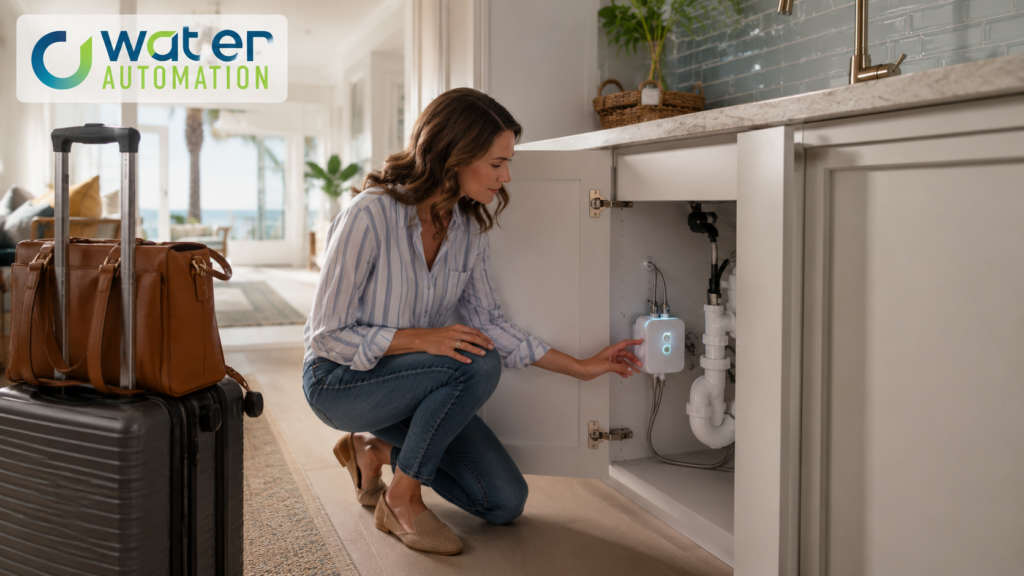
automatic water shutoff for vacation homes works best when the decision begins with observed conditions rather than assumptions. Owners often see a symptom and jump directly to a product, repair
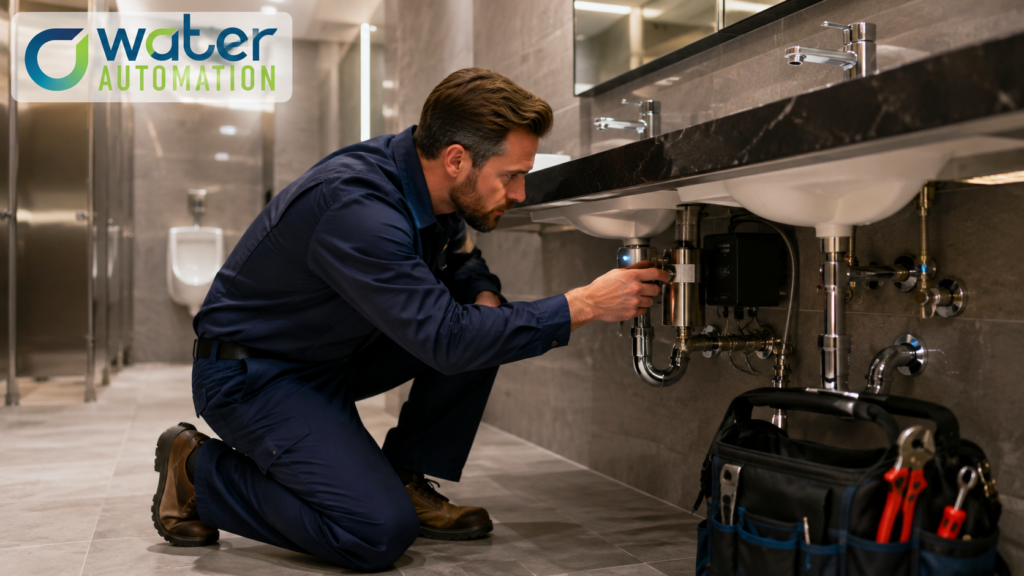
commercial restroom leak detection works best when the decision begins with observed conditions rather than assumptions. Owners often see a symptom and jump directly to a product, repair or proposal.
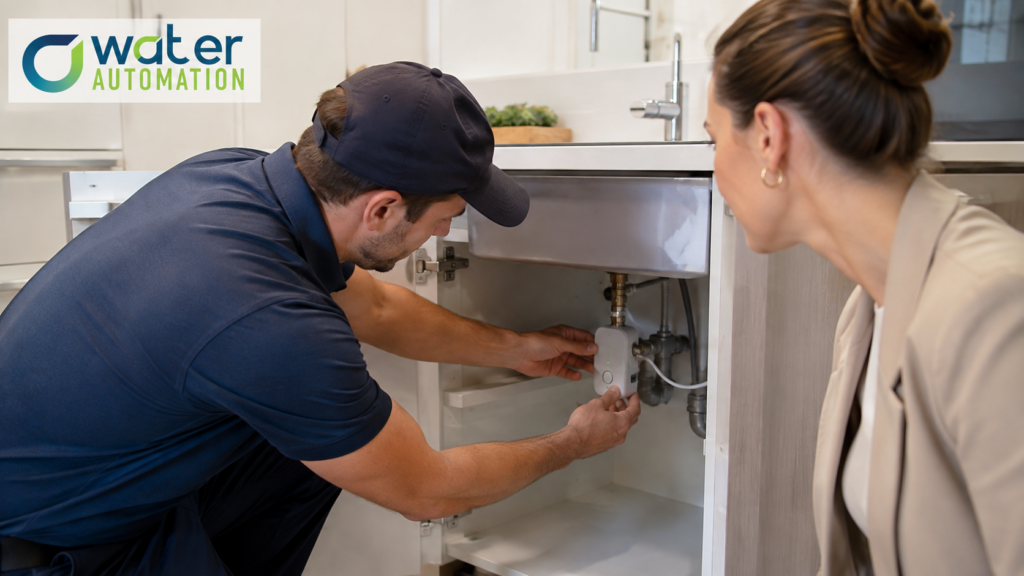
fixture-level leak detection for apartments works best when the decision begins with observed conditions rather than assumptions. Owners often see a symptom and jump directly to a product, repair or
water leak protection for new construction works best when the decision begins with observed conditions rather than assumptions. Owners often see a symptom and jump directly to a product, repair