

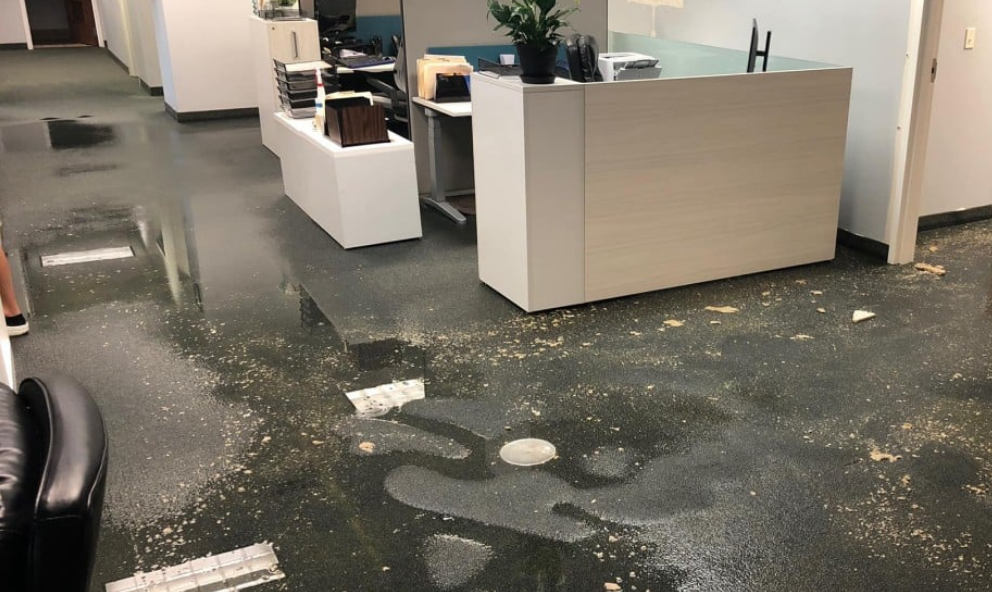
You’re making coffee, half-awake, when you notice that faint drip… drip… drip under the sink. It’s nothing major, you tell yourself – a few drops, maybe a loose pipe. You’ll fix it on the weekend.
Hidden Dangers of Water Leaks
Drip. Drip. Drip. Trouble Is Brewing.
You’re making coffee, half-awake, when you notice that faint drip… drip… drip under the sink. It’s nothing major, you tell yourself – a few drops, maybe a loose pipe. You’ll fix it on the weekend.
Fast-forward two months. The floorboard’s warped, the cabinet door doesn’t close properly, and there’s a strange smell that Febreze can’t fix. Welcome to the world of water leaks – small, sneaky, and surprisingly destructive.
The thing about leaks is they’re patient. They wait quietly, often behind walls, under floors, or around fittings, while slowly transforming your house into an indoor swamp.
Why “Small Leaks” Are a Big Deal
Most homeowners underestimate water. It doesn’t take a flood to cause major damage – just a tiny, persistent drip. Water has one mission: to go where it shouldn’t.
Here’s what that seemingly harmless trickle is really doing while you ignore it:
In fact, according to insurance data, the average household water-damage claim is around $11,000. That’s enough to buy 73 aquaHALT devices – each designed to stop the problem before it even begins.
The Psychology of Leak Denial
There’s a fascinating thing about leaks – everyone knows they’re bad, but almost no one acts right away. Why? Because they don’t feel urgent… until they are.
When your roof leaks, you panic. When your pipe bursts, you panic. But when your sink slowly drips, you shrug. The irony? That drip can cause more long-term damage than either of those sudden disasters, because it quietly corrodes materials over time.
So if you’re thinking, “It’s just a few drops,” remember: those “few drops” might be the most expensive ones you ever ignore.
Five Early Warning Signs You Might Have a Leak
Leaks don’t exactly send invitations – but they do leave clues. Here are the telltale signs your home might be harboring a watery secret:
You haven’t started a backyard water park, but your bill looks like you did. A sudden spike usually means a hidden leak.
That “basement smell” upstairs isn’t normal. Moisture trapped in walls or under floors gives off that earthy, mildew-like odor.
Your walls are literally crying. Moisture trapped behind paint or paper causes bubbles, blisters, or peeling.
When wooden surfaces start bowing or curving, they’re soaking up moisture from somewhere nearby.
If you’ve cleaned it and it returns, that’s not bad luck – it’s a leak feeding it from behind.
Spot these signs early and you’re halfway to saving your home (and your weekend).
The Real Cost of Doing Nothing
We’ve already talked about how leaks destroy materials, but let’s put numbers on the pain:
And that’s not counting the stress, time, and disruption of repairs. You’ll be living with fans, dehumidifiers, and that unforgettable “construction zone chic” aesthetic for weeks.
Compare that to $150 for a leak detection device. The math isn’t hard – but apparently, water loves teaching lessons the expensive way.
The Sneaky Nature of Hidden Leaks
Some leaks are easy to see – a dripping faucet, a puddle under the washing machine. Others are experts at hide-and-seek.
They lurk behind drywall, beneath tiles, or inside ceilings, silently destroying things from within. By the time you notice a stain, it’s already been there for weeks.
That’s why early detection isn’t just helpful – it’s everything. The faster you find a leak, the less damage it can do.
Meet aquaHALT – Your $150 Leak Bodyguard
Here’s where aquaHALT, the smart (but delightfully simple) leak detection device from waterAUTOMATION, earns its cape.
It doesn’t need Wi-Fi, Bluetooth, or a PhD in smart-home setup. It runs on 2×AA batteries and sits quietly under sinks, near washing machines, or behind your fridge – always listening, always ready.
When it senses even the smallest presence of water, it sounds the alarm before the damage starts. No complicated installation. No monthly fees. Just good, old-fashioned peace of mind wrapped in clever engineering.
A Leak Detector That Works While You Sleep
Water doesn’t respect schedules – it leaks on Sundays, holidays, and when you’re away on vacation. That’s why aquaHALT never clocks out.
For less than what you’d spend on a dinner date, you get 24/7 protection that saves you from the world’s worst wake-up call: the sound of splashing where there shouldn’t be any.
Two AA batteries. One smart idea. Zero panic.
Because Prevention Beats Panic (Every Time)
Let’s be real – no one brags about installing a leak detector. But everyone wishes they had one after the damage is done.
You don’t need to wait for a leak to ruin your day, your walls, or your savings account. Catch it early. Stop it fast. Sleep better.
That’s what aquaHALT does – quietly, constantly, and for just $150.
Because peace of mind shouldn’t cost thousands.
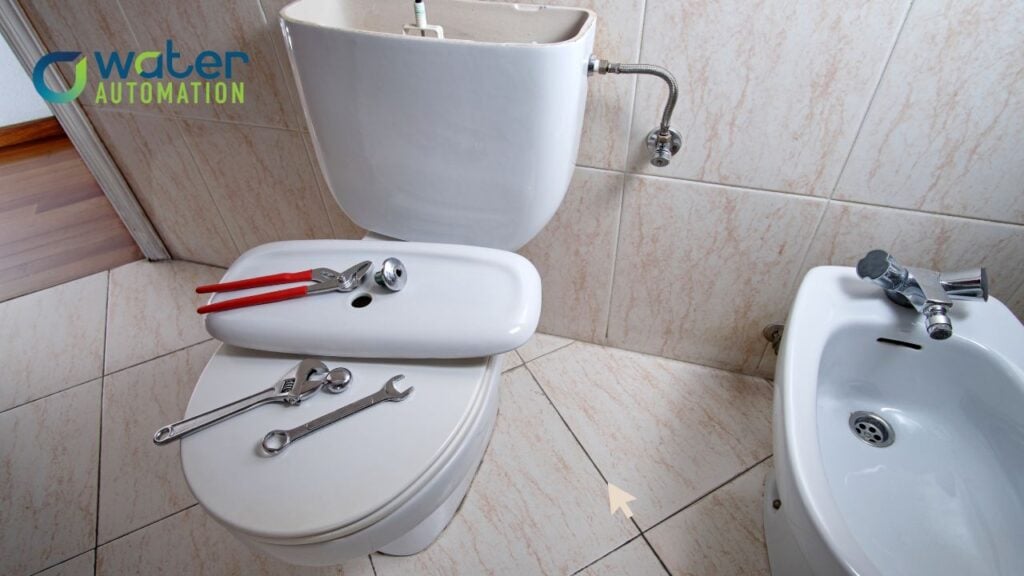
Hidden water damage is one of the most expensive and frustrating issues property owners face. Leaks that occur behind walls, under floors, or inside plumbing systems can go unnoticed for months, leading many to ask: will insurance cover hidden water damage? The answer depends on several critical factors, including cause, duration, and prevention measures.
Hidden water damage typically refers to leaks that are not immediately visible. Examples include slow pipe leaks, toilet leaks behind walls, or continuous running water inside a tank or supply line.
Insurance providers usually distinguish between sudden and accidental damage versus long-term deterioration. A burst pipe is often covered. A leak that develops slowly over time often is not.
Many water damage claims are denied because insurers classify them as preventable or maintenance-related. Common denial reasons include:
If damage is discovered weeks or months after it begins, insurers may argue the issue should have been identified earlier.
Installing a water leak detection device for insurance purposes demonstrates proactive risk management. Systems that monitor water flow and detect abnormal usage provide proof that property owners are actively preventing damage.
When a leak is detected early, documentation from monitoring systems can support claims by showing the damage was sudden, not neglected.
Many insurers now recognize water sensors for insurance as effective loss-prevention tools. Properties with detection systems are less likely to experience severe damage, which reduces insurer exposure.
Some insurance providers offer premium discounts or improved underwriting terms for buildings equipped with automated leak detection.
For commercial buildings, hidden water damage can lead to business interruption, mold remediation, and structural repairs. Insurers closely evaluate whether property owners have taken steps to mitigate these risks.
Automated monitoring and shut-off systems are increasingly viewed as best practices for commercial risk management.
Insurance is designed to mitigate unexpected events, not replace preventative maintenance. Relying on coverage alone is risky when dealing with water damage.
Automated detection systems reduce both financial loss and claim disputes by stopping leaks before they escalate.
Modern water monitoring solutions provide real-time alerts, historical data, and automatic shut-off capabilities. These tools help protect assets, simplify insurance conversations, and minimize long-term risk.
For property owners, preventing hidden water damage is always more cost-effective than filing a claim after the fact.
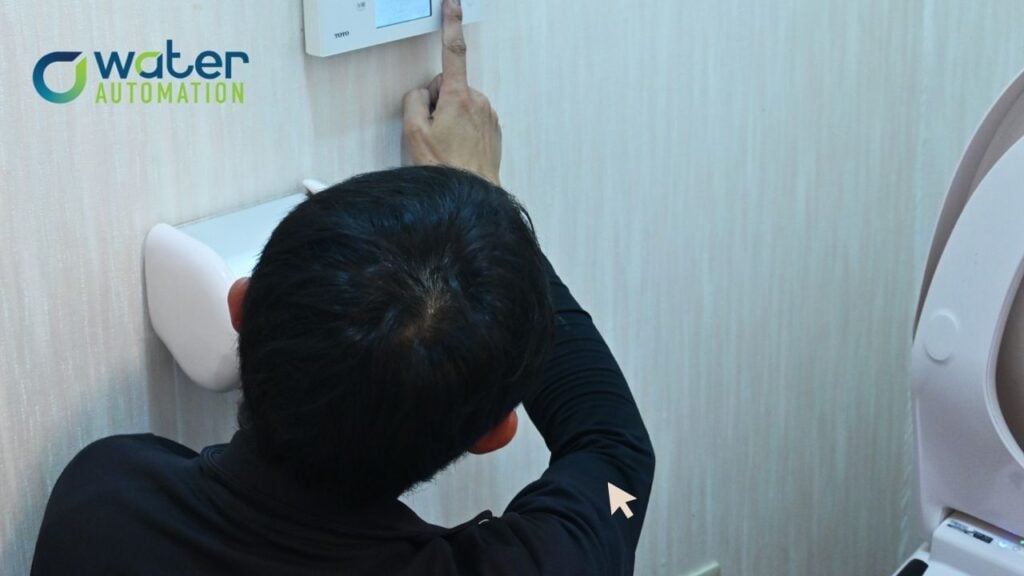
Water leak sensors and automatic shut-off valves play a critical role in preventing water damage. This ultimate guide to water leak sensors for smart homes explains how these technologies work and how to choose the right solution.
There are two primary sensor types:
Spot sensors are placed near appliances, toilets, and sinks. Flow-based systems analyze overall usage patterns, making them ideal for whole-property protection.
Spot sensors react when water reaches them, which can be too late in some scenarios. Flow-based systems detect leaks by recognizing continuous or abnormal flow, triggering faster responses.
Many modern solutions combine both methods for comprehensive coverage.
A water leak detector with automatic shut off goes beyond alerts by actively stopping water flow. When a leak is detected, the system closes an automatic valve, preventing further damage.
These systems are particularly effective in unattended properties and commercial buildings.
Smart homes benefit from real-time notifications and remote control features. Commercial properties gain centralized monitoring and reduced liability.
A water leak detection device with automatic shut off is increasingly viewed as essential infrastructure rather than an optional upgrade.
Insurers often favor properties equipped with water sensors for insurance purposes. These systems demonstrate proactive risk mitigation and may reduce premiums or improve claim outcomes.
When selecting a system, consider:
Whether residential or commercial, the right solution provides peace of mind and long-term savings.
Leak sensors and shut-off valves transform water management from reactive to preventative.
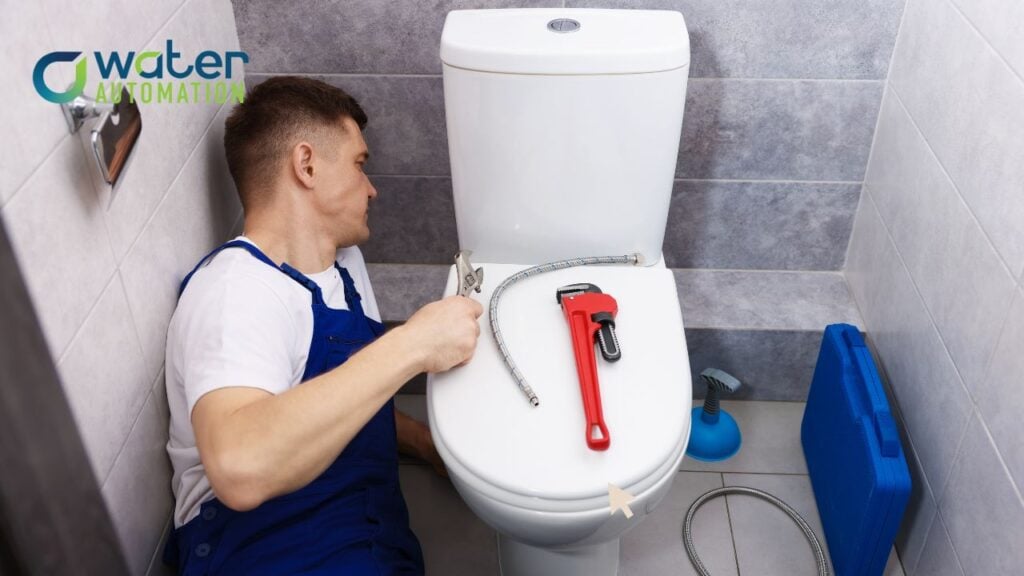
Toilets are one of the largest contributors to indoor water use, yet many people underestimate their long-term impact. Understanding how much water a toilet uses on a daily, monthly, and yearly basis helps homeowners and property managers identify waste and improve efficiency.
The amount of water a toilet uses daily depends on two factors: flush volume and frequency. A modern toilet typically uses 1.28-1.6 gallons per flush, while older models may use 3.5 gallons or more.
In an average household, each person flushes 4-5 times per day. This means a single toilet can use anywhere from 20 to 35 gallons per day, depending on efficiency and usage habits.
When people ask how much water the toilet uses, they often overlook how quickly small amounts add up.
Over a month, toilet water usage becomes more significant:
Annually, this can exceed 10,000 gallons per toilet. In larger households or commercial settings, usage increases dramatically.
Tracking how many gallons does a toilet use over time helps identify opportunities to reduce waste.
In commercial buildings, toilet usage is far higher. Office buildings, retail spaces, and restaurants experience constant restroom traffic throughout the day.
Even small inefficiencies in water used flushing toilet systems can result in thousands of gallons wasted annually across multiple restrooms.
Facilities with high occupancy should pay special attention to how much water is used when flushing a toilet. Frequent flushing magnifies inefficiencies, making early detection of leaks and excessive usage critical.
Low-flow toilets help reduce water use, but conservation alone isn’t enough. Leaks and malfunctioning components can negate efficiency gains entirely.
Monitoring systems provide insight into how much water is used when flushing the toilet, helping identify abnormal usage patterns.
Water monitoring tools analyze flow data to detect continuous or irregular usage. This allows property owners to spot problems early, reduce waste, and control costs.
Understanding toilet water usage is the first step toward long-term efficiency and sustainability.
A toilet that makes noise without being used can be confusing and frustrating. Many people ask why is my toilet making noise when not in use, especially when the sound comes and goes without explanation. These noises are often the result of internal leaks or pressure-related issues.
Phantom flushing occurs when water slowly leaks from the tank into the bowl, causing the fill valve to activate periodically. This creates the sound of running water even though no one has flushed the toilet.
If you hear water moving unexpectedly, it’s a strong indicator that water is being wasted.
Several components can cause a toilet to make noise:
These issues lead to toilet noises running water scenarios that are easy to overlook.
When water is running in toilet systems unnoticed, the problem often goes unresolved for months. The tank refills just enough to maintain the water level, masking the issue until a bill spike or audible noise draws attention.
If noise is constant or worsening, repairs are necessary. However, intermittent sounds may benefit from monitoring to determine frequency and severity.
Understanding how often water running in toilet tank events occur helps property owners decide whether immediate repair is needed.
Smart monitoring systems detect continuous or repetitive water flow that signals leaks. These systems provide alerts when abnormal usage patterns appear, allowing issues to be addressed before significant waste occurs.
Ignoring unusual toilet sounds can lead to higher water costs, premature equipment failure, and hidden damage. Early awareness and action prevent long-term issues.
Identifying the cause of toilet noise ensures your plumbing operates efficiently and quietly.