

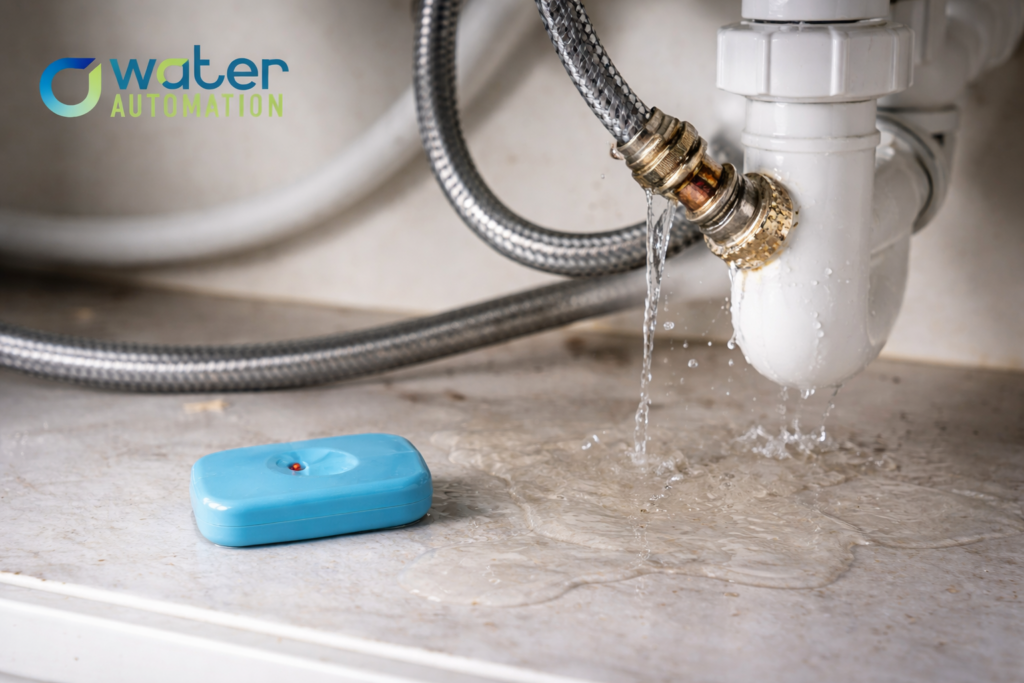
Water damage is one of the most expensive problems a property owner can face, especially when it goes unnoticed. Unlike obvious flooding or burst pipes, hidden leaks can quietly cause serious structural damage over time. This raises an important question: does insurance cover hidden water damage?
The answer depends on how the damage started, how long it went undetected, and what steps were taken to prevent it.
Hidden water damage refers to leaks that are not immediately visible. These can occur:
Because these leaks develop out of sight, they can continue for weeks or months before being discovered, often after significant damage has already occurred.
Insurance companies generally divide water damage into two categories:
This includes:
These events are unpredictable and are usually covered.
This includes:
These are often seen as maintenance problems and are usually not covered.
Many claims are rejected because insurers classify the damage as preventable. Common reasons include:
If damage is discovered late, insurers may argue it should have been identified earlier.
Early detection plays a major role in both preventing damage and supporting claims.
Modern leak detection systems can:
These systems help reduce damage and provide records that can support a claim by showing the issue was not ignored.
Insurance providers increasingly recognize the value of water monitoring technology. Properties with these systems are less likely to experience severe damage.
Key benefits include:
Prevention reduces risk for both property owners and insurers.
In commercial buildings, hidden water damage can cause:
Because of this, insurers expect stronger preventative measures in commercial settings.
Insurance is meant to protect against unexpected events, not replace maintenance. Relying only on coverage can lead to:
Preventing damage is always more cost-effective than dealing with it afterward.
Modern systems offer more than basic leak detection. Many include:
These tools help minimize damage, reduce risk, and strengthen insurance claims when needed.
Hidden water damage is difficult to detect and costly to repair. While insurance may cover certain situations, many claims are denied due to the gradual nature of leaks.
The best approach is simple:
detect early, act quickly, and prevent damage before it starts.
Taking proactive steps protects your property and helps avoid unnecessary financial loss.
Hidden water damage is one of the most expensive and frustrating issues property owners face. Leaks that occur behind walls, under floors, or inside plumbing systems can go unnoticed for months, leading many to ask: will insurance cover hidden water damage? The answer depends on several critical factors, including cause, duration, and prevention measures.
Hidden water damage typically refers to leaks that are not immediately visible. Examples include slow pipe leaks, toilet leaks behind walls, or continuous running water inside a tank or supply line.
Insurance providers usually distinguish between sudden and accidental damage versus long-term deterioration. A burst pipe is often covered. A leak that develops slowly over time often is not.
Many water damage claims are denied because insurers classify them as preventable or maintenance-related. Common denial reasons include:
If damage is discovered weeks or months after it begins, insurers may argue the issue should have been identified earlier.
Installing a water leak detection device for insurance purposes demonstrates proactive risk management. Systems that monitor water flow and detect abnormal usage provide proof that property owners are actively preventing damage.
When a leak is detected early, documentation from monitoring systems can support claims by showing the damage was sudden, not neglected.
Many insurers now recognize water sensors for insurance as effective loss-prevention tools. Properties with detection systems are less likely to experience severe damage, which reduces insurer exposure.
Some insurance providers offer premium discounts or improved underwriting terms for buildings equipped with automated leak detection.
For commercial buildings, hidden water damage can lead to business interruption, mold remediation, and structural repairs. Insurers closely evaluate whether property owners have taken steps to mitigate these risks.
Automated monitoring and shut-off systems are increasingly viewed as best practices for commercial risk management.
Insurance is designed to mitigate unexpected events, not replace preventative maintenance. Relying on coverage alone is risky when dealing with water damage.
Automated detection systems reduce both financial loss and claim disputes by stopping leaks before they escalate.
Modern water monitoring solutions provide real-time alerts, historical data, and automatic shut-off capabilities. These tools help protect assets, simplify insurance conversations, and minimize long-term risk.
For property owners, preventing hidden water damage is always more cost-effective than filing a claim after the fact.
Water leak sensors and automatic shut-off valves play a critical role in preventing water damage. This ultimate guide to water leak sensors for smart homes explains how these technologies work and how to choose the right solution.
There are two primary sensor types:
Spot sensors are placed near appliances, toilets, and sinks. Flow-based systems analyze overall usage patterns, making them ideal for whole-property protection.
Spot sensors react when water reaches them, which can be too late in some scenarios. Flow-based systems detect leaks by recognizing continuous or abnormal flow, triggering faster responses.
Many modern solutions combine both methods for comprehensive coverage.
A water leak detector with automatic shut off goes beyond alerts by actively stopping water flow. When a leak is detected, the system closes an automatic valve, preventing further damage.
These systems are particularly effective in unattended properties and commercial buildings.
Smart homes benefit from real-time notifications and remote control features. Commercial properties gain centralized monitoring and reduced liability.
A water leak detection device with automatic shut off is increasingly viewed as essential infrastructure rather than an optional upgrade.
Insurers often favor properties equipped with water sensors for insurance purposes. These systems demonstrate proactive risk mitigation and may reduce premiums or improve claim outcomes.
When selecting a system, consider:
Whether residential or commercial, the right solution provides peace of mind and long-term savings.
Leak sensors and shut-off valves transform water management from reactive to preventative.
Toilets are one of the largest contributors to indoor water use, yet many people underestimate their long-term impact. Understanding how much water a toilet uses on a daily, monthly, and yearly basis helps homeowners and property managers identify waste and improve efficiency.
The amount of water a toilet uses daily depends on two factors: flush volume and frequency. A modern toilet typically uses 1.28-1.6 gallons per flush, while older models may use 3.5 gallons or more.
In an average household, each person flushes 4-5 times per day. This means a single toilet can use anywhere from 20 to 35 gallons per day, depending on efficiency and usage habits.
When people ask how much water the toilet uses, they often overlook how quickly small amounts add up.
Over a month, toilet water usage becomes more significant:
Annually, this can exceed 10,000 gallons per toilet. In larger households or commercial settings, usage increases dramatically.
Tracking how many gallons does a toilet use over time helps identify opportunities to reduce waste.
In commercial buildings, toilet usage is far higher. Office buildings, retail spaces, and restaurants experience constant restroom traffic throughout the day.
Even small inefficiencies in water used flushing toilet systems can result in thousands of gallons wasted annually across multiple restrooms.
Facilities with high occupancy should pay special attention to how much water is used when flushing a toilet. Frequent flushing magnifies inefficiencies, making early detection of leaks and excessive usage critical.
Low-flow toilets help reduce water use, but conservation alone isn’t enough. Leaks and malfunctioning components can negate efficiency gains entirely.
Monitoring systems provide insight into how much water is used when flushing the toilet, helping identify abnormal usage patterns.
Water monitoring tools analyze flow data to detect continuous or irregular usage. This allows property owners to spot problems early, reduce waste, and control costs.
Understanding toilet water usage is the first step toward long-term efficiency and sustainability.
A toilet that makes noise without being used can be confusing and frustrating. Many people ask why is my toilet making noise when not in use, especially when the sound comes and goes without explanation. These noises are often the result of internal leaks or pressure-related issues.
Phantom flushing occurs when water slowly leaks from the tank into the bowl, causing the fill valve to activate periodically. This creates the sound of running water even though no one has flushed the toilet.
If you hear water moving unexpectedly, it’s a strong indicator that water is being wasted.
Several components can cause a toilet to make noise:
These issues lead to toilet noises running water scenarios that are easy to overlook.
When water is running in toilet systems unnoticed, the problem often goes unresolved for months. The tank refills just enough to maintain the water level, masking the issue until a bill spike or audible noise draws attention.
If noise is constant or worsening, repairs are necessary. However, intermittent sounds may benefit from monitoring to determine frequency and severity.
Understanding how often water running in toilet tank events occur helps property owners decide whether immediate repair is needed.
Smart monitoring systems detect continuous or repetitive water flow that signals leaks. These systems provide alerts when abnormal usage patterns appear, allowing issues to be addressed before significant waste occurs.
Ignoring unusual toilet sounds can lead to higher water costs, premature equipment failure, and hidden damage. Early awareness and action prevent long-term issues.
Identifying the cause of toilet noise ensures your plumbing operates efficiently and quietly.